
Understanding the basic needs of this vibrant holiday plant is the first step toward long-term success in your indoor garden. Many people treat these plants as disposable decorations, but with the right approach, they can thrive for years. You should start by selecting a healthy specimen that shows no signs of wilting or yellowing leaves. A strong foundation begins with acclimating the plant to its new environment slowly to avoid immediate leaf drop.
The temperature of your home plays a crucial role in maintaining the health of the foliage throughout the winter season. These plants generally prefer a consistent range between 15 and 22 degrees Celsius during their peak blooming period. You must avoid placing them near heaters, radiators, or fireplaces, as dry heat causes the leaves to crisp and fall prematurely. Conversely, cold drafts from windows or doors can be equally damaging to their sensitive tropical nature.
Maintaining proper humidity is another essential factor that many indoor gardeners tend to overlook when caring for these plants. Since most modern homes have very dry air during the winter, you might need to use a humidifier or a pebble tray to increase local moisture. Misting the leaves is generally not recommended because it can encourage fungal growth on the bracts. Instead, focus on keeping the surrounding air moist enough to mimic the plant’s natural habitat.
Soil quality and drainage are the final pillars of basic care that ensure the roots remain healthy and functional. You should always ensure that the decorative foil often found around the pot is removed or pierced to allow excess water to escape. A high-quality, peat-based potting mix provides the necessary aeration and moisture retention required for steady growth. If the soil becomes too compacted over time, the roots may struggle to breathe, leading to a slow decline in the plant’s overall vigor.
Selecting the ideal location for your plant
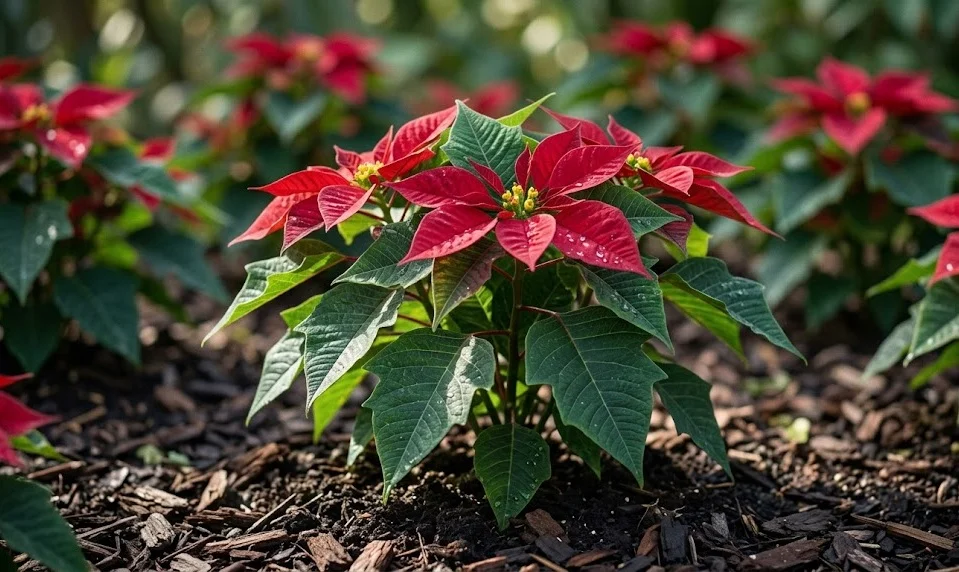
When you bring a new specimen home, the specific spot you choose will dictate how long the colorful bracts remain vibrant. A bright room with filtered sunlight is usually the best choice for maintaining the intensity of the red or white leaves. You should avoid placing the plant in direct afternoon sun, which can scorch the delicate tissues through window glass. Finding a balance between light and protection is the key to preventing early pigment loss.
More articles on this topic
Stability is just as important as light when it comes to the plant’s immediate surroundings. Frequent changes in temperature or light levels can shock the system, causing the plant to shed its leaves as a defense mechanism. You should try to find a permanent spot where the environment remains relatively stable throughout the day and night. Moving the plant back and forth between rooms is rarely a good idea for its long-term health.
The height at which you place the plant can also affect its exposure to air currents and temperature fluctuations. Higher shelves might be warmer, while floor-level spots can be subject to cold drafts under doors. You should aim for a mid-level surface like a dining table or a dedicated plant stand to ensure a more regulated environment. Observation over the first few days will help you determine if the chosen spot meets the plant’s needs.
Accessibility for maintenance should also be a consideration when you are deciding where to place your greenery. If the plant is tucked away in a hard-to-reach corner, you might forget to check the soil moisture or inspect for pests. Keeping it in a visible area allows you to notice small changes in leaf tension or color immediately. A well-placed plant is much easier to care for and much more likely to survive the season.
Managing the transition after the holidays
Once the festive season concludes, many growers are unsure of what to do with their plants as the bracts begin to fade. This transition period is vital if you intend to keep the plant as a perennial resident in your collection. You should gradually reduce the frequency of watering as the plant enters a natural period of slower growth. Understanding that the loss of some color is a natural cycle will help you stay patient during this phase.
More articles on this topic
As the days begin to lengthen in late winter, you will notice the plant shifting its energy toward new green growth. This is the perfect time to evaluate the structure of the branches and decide if any minor maintenance is required. You should continue to provide bright light, but the temperature can be slightly cooler than during the peak bloom. Providing a rest period allows the plant to accumulate the energy needed for the upcoming growing season.
You should resist the urge to repot the plant immediately after the holidays, as the root system is still in a delicate state. Waiting until the spring when active growth is visible is a much safer approach for the plant’s recovery. During this waiting period, keep the soil slightly on the drier side compared to the blooming stage. This subtle shift in care mimics the natural seasonal changes the plant would experience in the wild.
The transition also involves monitoring the plant for any signs of stress that might have accumulated during the dark winter months. Check the undersides of the leaves for any lingering pests that may have taken advantage of the dry indoor air. If the plant looks particularly leggy, don’t worry, as this can be corrected later with proper pruning. For now, focus on keeping the environment stable and the moisture levels consistent.
Environmental stressors and how to avoid them
One of the most common mistakes people make is exposing their plants to sudden shifts in air temperature. If you are transporting a plant from a store, even a few minutes in freezing air can cause permanent damage. You should always ensure the plant is well-wrapped in paper or plastic during transport to retain its warmth. Once inside, let the plant sit in its wrapping for an hour to adjust to the room temperature.
Ethylene gas is a silent killer for many indoor plants, including these festive favorites. This gas is often released by ripening fruit or malfunctioning gas heaters in the home. You should keep your plants away from fruit bowls in the kitchen to prevent premature leaf and bract drop. Even small amounts of this gas can cause the plant to age rapidly and lose its aesthetic appeal within days.
Poor air circulation can lead to a host of problems, including mold and mildew on the soil surface. While you want to avoid direct drafts, stagnant air can be just as detrimental to the plant’s respiratory processes. You should ensure there is enough space between your plants to allow air to move freely around the foliage. This simple adjustment can significantly reduce the risk of disease and improve the overall health of the plant.
Chemical sensitivity is another factor to keep in mind when cleaning your home or treating other plants nearby. Strong cleaning sprays or aerosol deodorizers can settle on the leaves and cause chemical burns or spotting. You should be careful when using these products in the same room where your sensitive plants are located. Protecting the foliage from these external pollutants will keep the bracts looking fresh and healthy for a longer duration.
Long-term health and growth strategies
If you want your plant to grow into a large, bushy shrub, you must think beyond the first few months of ownership. This involves a commitment to regular monitoring and a deeper understanding of the plant’s biological clock. You should keep a gardening journal to track when you water, fertilize, and prune your specimen. This data helps you identify patterns and adjust your care routine according to the specific needs of your plant.
The root zone is the heart of the plant, and keeping it healthy requires occasional inspection. Every few months, you might want to gently lift the plant out of its pot to see if the roots are circling the base. If the roots appear crowded, it is a clear signal that the plant requires more space to expand. Providing a larger container with fresh substrate will trigger a new flush of growth in the foliage above.
Consistency is the most important element of any long-term strategy for these tropical beauties. They do not respond well to “tough love” or periods of neglect followed by heavy watering. You should develop a daily habit of checking the soil with your finger to gauge the exact moisture levels. This hands-on approach is far more effective than following a rigid calendar-based schedule.
As the plant matures, its nutritional requirements will change, necessitating a more nuanced approach to feeding. You will need to balance nitrogen for leaf growth with potassium for overall structural strength. High-quality liquid fertilizers are usually the easiest way to deliver these nutrients directly to the root system. By paying attention to these details, you can transform a simple holiday gift into a permanent and impressive houseplant.
Troubleshooting common foliage problems
Yellowing leaves are often the first sign that something is wrong with the plant’s environment or care routine. This can be caused by both overwatering and underwatering, making it important to check the soil moisture carefully. If the lower leaves are turning yellow and falling off, it might be a sign of a nitrogen deficiency or poor light. You should address these issues immediately to prevent the problem from spreading to the upper canopy.
Brown, crispy edges on the leaves usually indicate that the air is too dry or the plant has been exposed to heat. This is a common issue in homes with central heating during the peak of winter. You should increase the humidity or move the plant further away from any direct heat sources. Trimming away the damaged edges with sterile scissors can improve the appearance, but the underlying cause must be fixed.
If the leaves appear limp and wilted even though the soil is wet, you may be dealing with root rot. This occurs when the roots are starved of oxygen due to excessive moisture in the substrate. You should stop watering immediately and allow the soil to dry out completely before the next application. In severe cases, you might need to remove the plant from the pot and trim away any blackened, mushy roots.
Sometimes the bracts may lose their color or fail to develop the deep intensity you expect. This is typically a light-related issue, where the plant is not receiving enough hours of total darkness or sufficient daytime brightness. You should re-evaluate the placement of the plant relative to windows and artificial lights. Correcting the light cycle is often the only way to restore the vibrant pigments that make these plants so famous.
Final tips for professional-grade results
Achieving professional results with these plants requires a combination of patience and technical knowledge. You should always use lukewarm water when hydrating the soil to avoid shocking the sensitive tropical roots. Cold water from the tap can cause the plant to react negatively, sometimes leading to immediate leaf drop. This small detail can make a significant difference in the overall resilience of your specimen.
Cleanliness is another hallmark of a successful grower, so you should regularly wipe the leaves with a damp cloth. Dust accumulation can block the stomata and reduce the plant’s ability to photosynthesize efficiently. By keeping the foliage clean, you also have the opportunity to inspect for pests on a regular basis. A clean plant is a healthy plant that can focus all its energy on growth and color production.
You should also consider the pot material, as porous clay pots dry out much faster than plastic or glazed ceramic ones. If you find yourself watering too frequently, switching to a less porous container might help maintain moisture levels. On the other hand, if you tend to overwater, a terracotta pot can provide a safety net by allowing moisture to evaporate through the walls. Choose the container that best complements your personal watering style.
Finally, don’t be afraid to experiment with different varieties of this species to see which ones perform best in your home. There are many modern hybrids that are bred for better indoor performance and longer-lasting bracts. You should talk to local nursery experts to find out which cultivars are known for their durability in your specific climate. With each new plant, you will gain more experience and confidence in your gardening skills.