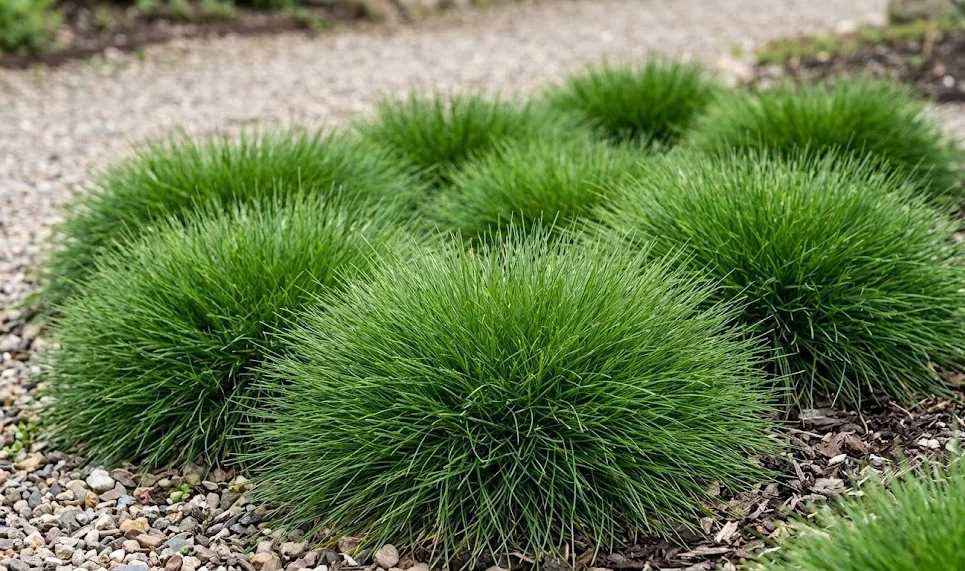

Preparing bearskin fescue for the winter months is a vital task that ensures this hardy evergreen remains a vibrant part of your garden year after year. Although it is naturally adapted to cold climates and can withstand significant frost, the combination of wet soil and freezing temperatures can be a challenge. Professional wintering involves more than just leaving the plant to its own devices; it requires specific steps to manage moisture and physical protection. By following these guidelines, you can ensure your fescue cushions emerge from the snow looking as healthy as ever.
The first step in a successful wintering strategy is to ensure the plant is healthy and well-hydrated before the ground freezes. While the grass is dormant, it still loses small amounts of moisture through its needles, a process known as transpiration. If the soil is bone-dry when the frost sets in, the roots cannot replace this lost water, leading to winter burn. You should provide a deep watering in late autumn after the first light frosts but before the deep freeze arrives. This provides a vital reservoir of moisture that the plant can draw upon during the long winter months.
Mulching is a powerful tool for winter protection, but it must be applied with care to avoid causing more harm than good. For bearskin fescue, an inorganic mulch like gravel or small stones is often superior to organic materials like wood chips or straw. Stones help to insulate the soil and prevent the “freeze-thaw” cycle that can push plants out of the ground, a phenomenon known as frost heave. Ensure that the mulch is kept away from the direct center of the cushion to prevent trapping moisture against the crown. This balance provides thermal stability while maintaining necessary dryness.
Air circulation remains important even during the winter, so you should avoid covering the plants with heavy, non-breathable materials. Using plastic sheets or heavy buckets can trap humidity and lead to rot or fungal infections during a mid-winter thaw. If you live in an area with extremely harsh winds, a simple burlap screen can provide a windbreak without suffocating the plant. This allows the grass to stay cool and dormant while being shielded from the most abrasive environmental forces. Protecting the physical integrity of the needles ensures a quick green-up in the spring.
Managing snow and ice
Heavy snowfall can be both a blessing and a burden for the low-growing cushions of the bearskin fescue. A light layer of snow acts as an excellent insulator, protecting the plant from extreme temperature fluctuations and drying winds. However, heavy, wet snow can flatten the mounds and cause them to split open, ruining their aesthetic shape. You should gently brush off excessive snow after a heavy storm to prevent the weight from damaging the internal structure of the plant. Using a soft broom or your hands is the safest way to clear the foliage.
More articles on this topic
Ice buildup is a more significant threat than snow, as it can be much heavier and more difficult to remove without causing damage. If an ice storm occurs, it is usually best to leave the ice to melt naturally rather than trying to chip it away. Attempting to remove ice manually often results in breaking the frozen, brittle needles of the grass. The plant is surprisingly resilient and will usually recover once the ice thaws, provided the weight hasn’t caused a major structural failure. Patience is often the best strategy when dealing with the unpredictable elements of winter.
Winter drainage is perhaps the most critical factor in the survival of this species during the cold months. In many regions, winter involves frequent cycles of melting and freezing, which can lead to standing water around the base of the plant. If the roots sit in freezing slush for an extended period, they are highly likely to rot or suffer from oxygen deprivation. You should ensure that your garden beds are designed to shed water away from the fescue even when the ground is partially frozen. Proper site preparation in the spring pays off most during the challenges of winter.
Salt damage is a common winter issue for plants located near sidewalks, driveways, or roads. The salt used to melt ice can splash onto the foliage or seep into the soil, where it dehydrates the plant and disrupts its nutrient balance. If your bearskin fescue is in a high-risk area, you might consider placing a temporary physical barrier during the winter. In the early spring, you can also flush the soil with plenty of fresh water to help wash away any accumulated salts. Protecting the chemical environment of the soil is just as important as protecting the plant itself.
The biology of dormancy
Understanding how bearskin fescue behaves during its dormant phase will help you avoid unnecessary worry. During the winter, the plant’s metabolic rate slows down significantly, and it stops producing new growth. You may notice that the vibrant green color fades slightly or takes on a more muted, olive tone, which is perfectly normal. This is a survival strategy that allows the plant to conserve energy and focus on maintaining its core structures. As long as the needles remain firm and attached, the plant is simply resting for the coming season.
More articles on this topic
You should strictly avoid applying any fertilizer during the winter months, as the plant cannot process these nutrients while dormant. Adding fertilizer when the plant is not growing can lead to a buildup of salts in the soil or trigger unnatural growth if a warm spell occurs. This soft, out-of-season growth is extremely vulnerable to being killed by the next frost, which can severely weaken the entire clump. The best time to support the plant’s nutritional needs is in the spring, once active growth has clearly resumed. Let the plant follow its natural rhythm without interference.
Monitoring for “frost heave” is an important late-winter task that can save your plants from a slow death. Frost heave occurs when the repeated freezing and thawing of the soil pushes the root ball up and out of the ground. This exposes the delicate roots to the cold air and drying winds, which can kill the plant very quickly. If you notice a cushion sitting higher than it should be, gently press it back into the soil with your foot once the ground has thawed. Adding a little extra soil or mulch around the exposed roots can also help protect them.
Winter is also a time when certain pests, like voles or mice, might seek shelter or food under the dense canopy of your grasses. These small rodents can sometimes nibble on the crown or the roots, causing damage that isn’t visible until the spring. Keeping the area around your fescue clear of tall weeds and excess leaf litter can make it a less attractive hiding spot for these animals. If you suspect a rodent problem, you can use humane traps or deterrents to protect your landscape. A little vigilance goes a long way in preserving your garden’s health.
Spring transition and recovery
As the days get longer and the temperatures begin to rise, your bearskin fescue will slowly wake up from its winter slumber. The transition from winter to spring is a delicate time when the plant is vulnerable to late frosts. You should wait until the danger of a hard freeze has passed before doing any significant cleaning or pruning. Removing the protective old foliage too early can expose the tender new shoots to damaging cold. A gradual approach to spring maintenance is always the safest way to ensure a successful start to the growing season.
Once the weather has stabilized, you can perform a “spring cleaning” of your fescue cushions to remove any winter damage. Gently comb through the needles with your fingers to pull out any brown or dead material that accumulated over the cold months. This improves the appearance of the plant and allows light and air to reach the new growth in the center. If there are any particularly unsightly patches of winter burn, you can carefully trim them away with sharp shears. This simple task revitalizes the plant and sets the stage for a lush summer display.
The first watering of the spring should be done with care, taking into account the moisture already present from melting snow or spring rains. You don’t want to over-saturate the soil just as the roots are starting to become active again. If the spring is dry, a deep, thorough watering will help kickstart the growth process and wash away any winter debris. This is also the ideal time to apply a very light, slow-release fertilizer if you feel the soil needs a boost. Watching the plant respond to these first spring cares is one of the most rewarding parts of gardening.
Finally, take a moment to assess how your wintering strategy worked and make notes for the following year. If certain plants struggled more than others, consider if their location or drainage was the primary issue. Each winter is a learning experience that allows you to refine your techniques and become a better steward of your garden. Bearskin fescue is a long-lived plant that will reward your careful winter management with many years of beauty. Consistency and observation are the keys to professional-level gardening success.