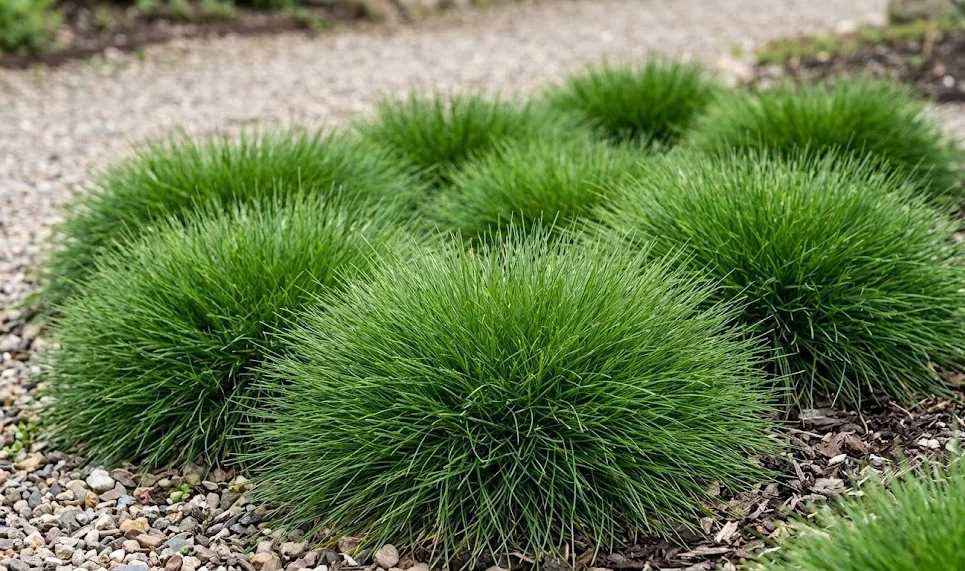

Establishing bearskin fescue in your garden starts with selecting the right location and understanding the unique needs of this evergreen grass. This species is famous for its cushion-like growth habit, making it an excellent choice for rockeries, borders, and modern minimalist landscapes. Successful planting requires a focus on soil texture and drainage, as these factors determine the long-term health of the root system. By following professional planting techniques, you can ensure that your new additions settle in quickly and begin to thrive.
Before you even dig a hole, you must evaluate the drainage capacity of your chosen site. Bearskin fescue cannot tolerate standing water or “wet feet,” which quickly leads to root rot and plant death. If your garden has heavy clay soil, you should amend the planting area with a generous amount of gravel or coarse sand. Creating a slightly raised mound or planting on a slope can also help divert excess rainwater away from the crown. This preparation is the most critical step in the entire planting process.
The best time to plant this ornamental grass is during the cooler months of early spring or early autumn. Planting in the spring allows the roots to establish themselves before the intense heat of summer arrives. Conversely, autumn planting takes advantage of the warm soil and increased rainfall, giving the plant a head start for the following year. You should avoid planting during the height of summer or the middle of winter when the plant is under thermal stress. Timing your planting correctly reduces the risk of transplant shock.
When you are ready to plant, dig a hole that is slightly wider than the root ball but no deeper. The plant should be situated so that the top of the root ball is level with or slightly above the surrounding soil surface. Burying the crown too deeply is a common mistake that can lead to rot and poor growth. Once the plant is in place, backfill the hole with a mixture of native soil and a small amount of organic matter. Firm the soil gently around the roots to remove any large air pockets.
Initial care after planting
After the bearskin fescue is in the ground, the first few weeks are crucial for successful establishment. You should water the plant thoroughly immediately after planting to help settle the soil around the roots. For the first month, keep the soil consistently moist but never waterlogged to encourage root expansion. You will know the plant is establishing itself when you see new green growth appearing in the center of the cushion. Avoid the temptation to fertilize immediately, as the plant needs to focus on root development first.
More articles on this topic
Mulching around the new plants can be very beneficial, provided you use the right materials and techniques. A thin layer of pea gravel or small stones is often better than wood-chip mulch for this specific grass. Stones help keep the base of the plant dry while suppressing weeds and maintaining a stable soil temperature. Be careful not to let the mulch touch the actual foliage or the crown of the grass. This “doughnut” style of mulching ensures the plant can breathe while still receiving the benefits of ground cover.
The spacing of your plants will depend on whether you want individual cushions or a continuous carpet. If you desire distinct mounds, space the plants at least 25 to 30 centimeters apart to allow for future growth. For a denser groundcover effect, you can reduce this distance slightly, though you should still allow for some air circulation. Remember that these plants grow slowly, so patience is required as they fill in their allotted space. Proper spacing at the start prevents the need for thinning or moving plants later on.
Monitoring for signs of stress is important during the first growing season. If the leaves start to turn brown or the plant looks wilted despite watering, it may be struggling with the soil conditions. Sometimes, a plant that was grown in a greenhouse may need a period of hardening off before being placed in direct, harsh sunlight. You can provide temporary shade using a small mesh screen if the weather becomes unexpectedly hot right after planting. This extra protection can save a young plant from being scorched.
Propagation through division
Division is the most reliable and effective way to propagate bearskin fescue while also rejuvenating older plants. Over several years, the center of the cushion can become woody or die back, indicating that the plant is ready to be split. The best time for division is in early spring just as the first signs of new growth appear. You should use a sharp spade or a garden knife to lift the entire clump out of the ground. Be careful to keep as much of the root system intact as possible during the lifting process.
More articles on this topic
Once the clump is removed, you can gently pull it apart or cut it into several smaller sections. Each new division must have a healthy portion of both foliage and roots to survive on its own. You should discard the old, dead center of the original plant and keep only the vigorous outer sections. These “new” plants will have the same genetic characteristics as the parent and will grow into fresh, healthy cushions. This process effectively multiplies your garden stock at no additional cost.
Replanting the divisions should follow the same rules as planting a new nursery-bought specimen. Prepare the new sites with excellent drainage and the appropriate soil amendments before you begin. It is vital to get the divisions back into the ground as quickly as possible to prevent the roots from drying out. If you cannot plant them immediately, keep them in a shaded spot and cover the roots with a damp cloth. Treating the divisions with care ensures a high success rate and rapid recovery.
The first season after division is a time for recovery, and the plants may not look their best immediately. They might appear a bit sparse or lopsided as they adjust to their new environment and rebuild their root systems. You should provide them with regular water and protect them from extreme weather during this transition. By the following spring, these divisions will typically have rounded out into beautiful, dense mounds. Division is a vital skill for any gardener wanting to maintain a vibrant fescue collection.
Growing from seeds
Propagating bearskin fescue from seeds is an alternative method, though it requires more patience and a controlled environment. You can collect seeds from the dried flower heads in late summer once they have turned brown and brittle. Alternatively, you can purchase certified seeds from a reputable supplier to ensure a high germination rate. The seeds should be sown in a seed-starting mix that is light, airy, and well-draining. Sowing them on the surface and pressing them down lightly is usually sufficient, as they often need some light to germinate.
The germination process can be slow and sometimes erratic, so don’t be discouraged if nothing happens for a few weeks. Keep the seed trays in a bright location but away from direct, scorching sunlight which can dry out the delicate seedlings. Maintain a consistent level of moisture by using a fine mist spray rather than a heavy watering can. A temperature of around 15 to 20 degrees Celsius is generally ideal for triggering germination. Once the seedlings have several sets of leaves, they can be carefully thinned out.
When the young plants are large enough to handle, they should be transplanted into individual pots to continue growing. This “potting on” stage allows the root system to become more robust before the plants are moved into the garden. Use a similar soil mix to what they will experience in their final location to help them adapt. You should continue to monitor their moisture levels and provide them with plenty of bright light. It can take a full year or more for a seedling to reach a size suitable for garden planting.
The final step is to transition the home-grown plants into the landscape once they are strong enough to survive outdoor conditions. This should be done gradually through a process called hardening off, where the pots are moved outside for increasing periods each day. This toughens the foliage and prepares the plant for wind, sun, and temperature fluctuations. Once the plants have spent a full week outdoors, they can be planted in their permanent positions. Growing from seed is a rewarding way to produce a large number of plants for a major project.