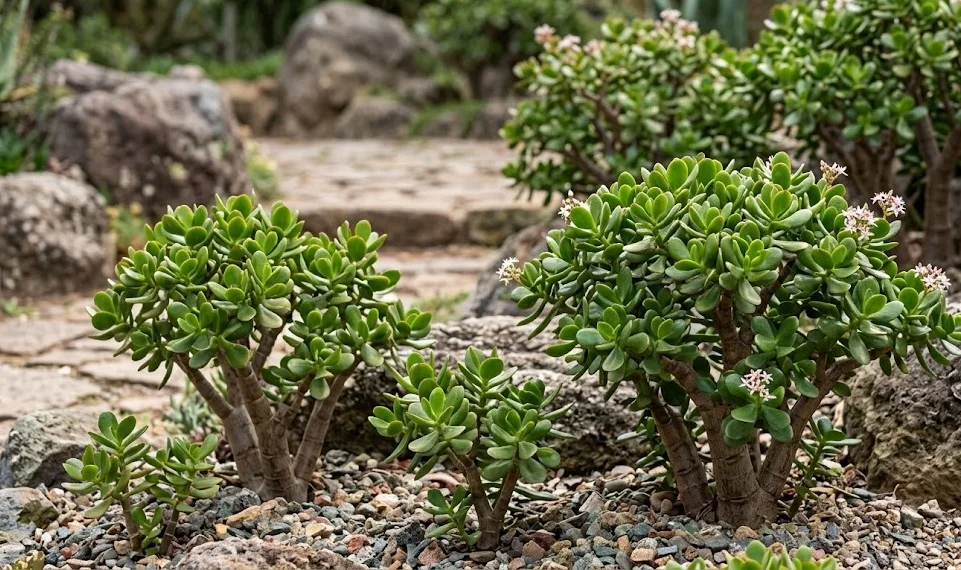

The winter months present a unique set of challenges for succulent owners as the days grow shorter and the indoor environment becomes significantly drier and darker. You must adjust your care routine to reflect the dormant state of the plant and its reduced need for resources during the cold season. Most varieties of this species cannot tolerate freezing temperatures, so bringing them indoors well before the first frost is absolutely essential for their survival. Proper overwintering techniques will ensure that your plant emerges in the spring with plenty of energy for a new growth cycle.
Light availability is often the most limiting factor during the winter, and you may need to move your plant to the brightest window in your home. A south-facing window is usually the best choice as it provides the most consistent and intense sunlight throughout the shorter days of the year. If natural light is insufficient, you might consider using a full-spectrum LED grow light to supplement the plant’s needs and prevent it from stretching toward the light source. Keeping the leaves clean will also help the plant maximize the limited amount of light that it receives during this period.
Watering should be reduced significantly during the winter months because the plant’s metabolism has slowed down and it is not actively producing new foliage. You should only provide a small amount of water when the leaves start to feel slightly soft, which might only happen once every four to six weeks. Overwatering during the winter is the leading cause of plant loss because the cool temperatures and slow growth make the roots extremely vulnerable to rot. Always ensure that any excess water is removed from the saucer immediately to prevent the plant from sitting in moisture.
Temperature stability remains important even though the plant is in a resting phase and can handle slightly cooler air than during the summer. You should aim to keep the environment between ten and fifteen degrees Celsius at night, which can actually help stimulate the production of flowers in mature specimens. Avoid placing the plant too close to heaters or fireplaces as the intense heat can cause the succulent to lose water too quickly through its leaves. A cool but bright room is the ideal setting for a successful overwintering process that prepares the plant for the upcoming spring.
Monitoring for pests is just as important in the winter as it is in the summer, as common indoor insects can still find their way to your plants. Because the plant is dormant, it may not show signs of stress as quickly as it would during the active growing season when it is more resilient. You should check the plant every time you water it to ensure that no hidden infestations are taking hold in the quiet winter months. Being proactive with your inspections will help you maintain a healthy collection and ensure that your succulent stays in peak condition.