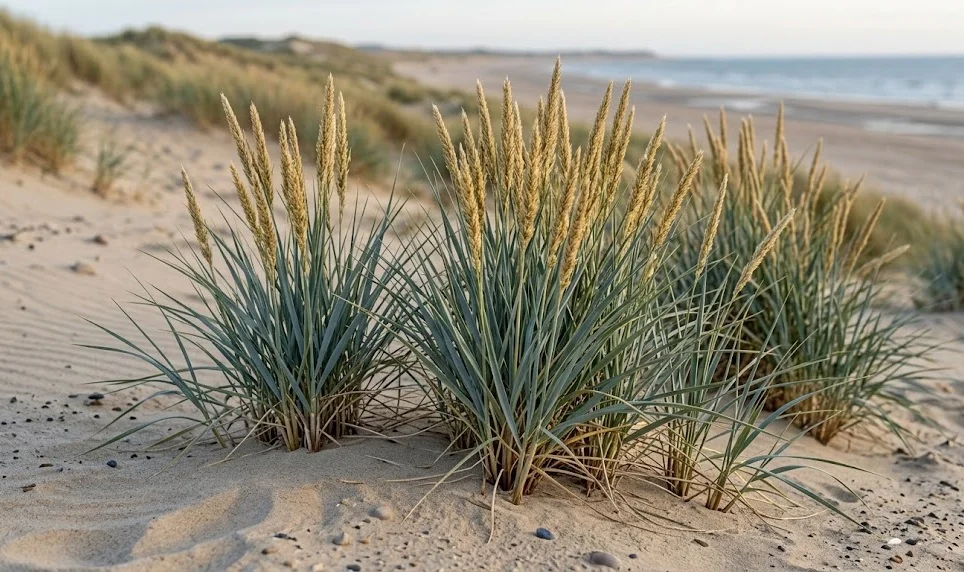

One of the primary reasons professionals choose blue lyme grass is its exceptional resistance to most common garden pests and diseases. Its tough, waxy foliage and vigorous growth habit make it a difficult target for many traditional garden invaders. However, no plant is entirely immune, and maintaining a healthy stand requires a professional eye for early warning signs. By understanding the specific conditions that can lead to problems, you can take preventative measures to keep your landscape looking pristine without the heavy use of chemicals.
Fungal issues are the most frequent challenge when growing this grass, particularly in regions with high humidity or poor soil drainage. Problems like rust or leaf spot can appear as small orange, brown, or black flecks on the silver-blue blades. These issues are usually aesthetic rather than fatal, but they can significantly detract from the plant’s overall beauty in a professional display. You should ensure that your plants are spaced correctly to allow for maximum air movement through the foliage.
While rare, certain insects can occasionally target the grass, especially if the plants are already stressed by drought or poor nutrition. Aphids or spider mites might take up residence in the tight crevices where the leaf meets the stem, leading to distorted growth. These pests are usually easy to manage with a strong blast of water or a professional application of insecticidal soap. A healthy, vigorously growing plant is its own best defense against these minor infestations.
Root rot is perhaps the only truly serious threat to the life of a blue lyme grass plant and is almost always caused by environmental conditions. When the soil remains saturated for long periods, the roots cannot breathe and begin to decay, leading to a rapid decline of the entire clump. You will notice the foliage turning yellow and pulling away from the base with very little effort. Professional prevention starts with proper site selection and soil preparation before the first plant even goes into the ground.
Maintaining a clean garden environment is the most professional way to prevent the spread of diseases and the buildup of pest populations. Removing dead foliage in the spring and keeping the surrounding area free of weeds reduces the hiding places for unwanted visitors. You should also regularly clean your garden tools with a mild disinfectant to avoid transferring pathogens between different parts of the landscape. An ounce of professional prevention is worth a pound of cure when it comes to ornamental grass health.
More articles on this topic
Identifying and treating rust
Rust is a fungal disease that is easily identified by the powdery, orange-colored spores that appear on the undersides of the leaves. It typically thrives in cool, damp weather and can spread quickly through a crowded planting via wind or splashing water. While it rarely kills the grass, it can cause the blades to turn yellow and eventually die back prematurely. Professional gardeners treat rust by improving air circulation and avoiding overhead watering during the late afternoon or evening.
If a rust infection becomes severe, you may need to cut the affected foliage back to the ground to prevent the spores from overwintering. Dispose of the clippings in the trash rather than the compost pile to ensure the fungus is completely removed from your property. New growth in the spring is usually healthy, provided the environmental conditions have improved. In professional settings, a preventative fungicide may be used in early spring if rust has been a recurring problem in previous years.
Monitoring the weather is a key part of managing rust, as the disease is highly dependent on specific temperature and moisture windows. Periods of heavy dew or frequent light rain are the most dangerous times for spore germination and infection. You should keep a close eye on the densest parts of the clumps where moisture is most likely to be trapped. An expert identifies these “hot spots” early and thins the foliage if necessary to let more light and air reach the center.
Resistant cultivars are sometimes available and can be a professional solution for gardens in rust-prone regions. However, the standard species is generally quite tough, and most problems can be solved through cultural adjustments rather than replacing the plants. By keeping the grass healthy through proper (but minimal) watering and feeding, you increase its natural ability to resist fungal attacks. A professional understands that a resilient plant is much easier to manage than one that relies on constant chemical intervention.
More articles on this topic
Dealing with common insect pests
Aphids are small, soft-bodied insects that can occasionally be found sucking the sap from the tender new growth of the grass. They often congregate in large numbers, causing the leaves to curl or become sticky with “honeydew,” which can then attract sooty mold. Most professional gardeners prefer to use natural predators like ladybugs or lacewings to keep aphid populations in check. If the infestation is concentrated, a simple spray from a garden hose can often dislodge enough insects to solve the problem.
Spider mites are a different challenge, as they thrive in hot, dry conditions where the grass might already be experiencing some stress. They are tiny and hard to see with the naked eye, but their presence is revealed by fine webbing and a stippled, bleached appearance on the leaves. Increasing the humidity around the plants or providing occasional overhead misting during heatwaves can discourage mites from moving in. Professional treatments for mites often involve specialized oils that coat the insects without harming the environment.
Slugs and snails may occasionally feed on the lower leaves of the grass, especially in shaded or overly mulched areas. While they rarely cause significant damage to the tough blades, their feeding can leave unsightly holes and slime trails. You can manage these pests by removing excess organic debris from the base of the plants or by using professional baits that are safe for pets and wildlife. An expert gardener creates a “dry zone” of sand or gravel around the plants to make it difficult for these moisture-loving pests to reach the foliage.
Soil-dwelling larvae, such as white grubs, can sometimes damage the root system of the grass, leading to patches of thinning or dying foliage. If you suspect an underground pest, you can carefully dig up a small section of soil to look for the characteristic C-shaped larvae. Managing grubs often involves treating the entire lawn or garden area with professional biological controls like beneficial nematodes. A healthy root system can usually tolerate a small amount of feeding without any visible impact on the plant’s top growth.
Environmental and abiotic stressors
Not all “sick” appearances in blue lyme grass are caused by living organisms; many issues are the result of environmental stress. Salt spray in coastal areas is usually well-tolerated, but extreme concentrations can occasionally lead to leaf tip burn during hot weather. This is a natural reaction, and the plant will usually recover once the conditions stabilize or a rain shower washes the salt away. A professional identifies this as a site-specific issue rather than a disease that needs treatment.
Mechanical damage from lawnmowers, string trimmers, or heavy foot traffic can also create entry points for opportunistic pathogens. When the tough blades are crushed or torn, the plant must expend energy to seal the wound and protect itself. You should ensure that maintenance equipment is kept away from the base of the clumps to prevent wounding the crown or the emerging shoots. Professional landscape borders help define the grass’s space and keep it safe from the hazards of regular yard work.
Nutrient imbalances can produce symptoms that look remarkably like viral or fungal diseases to the untrained eye. For example, a lack of iron can cause a general paleness of the foliage, while too much nitrogen can lead to soft, drooping leaves. Before reaching for a pesticide, a professional gardener always considers the soil health and recent weather patterns. Often, simply correcting the watering schedule or adjusting the soil pH will clear up the “disease” symptoms.
Drought stress is another common cause of poor appearance, especially in inland gardens that experience intense summer heat. While the grass is resilient, prolonged lack of water will eventually cause the blades to turn brown and the plant to enter a premature dormancy. This is a survival mechanism, and the plant will usually sprout again when moisture returns, but it can ruin the look of a professional design for the season. Monitoring the soil moisture at the root zone is the best way to prevent this kind of environmental decline.
Prevention through cultural practices
The most effective professional strategy for disease management is based on “integrated pest management” or IPM. This approach prioritizes healthy soil, proper spacing, and appropriate plant placement to minimize the need for reactive treatments. By choosing a sunny site with excellent drainage, you are already solving 90% of the potential disease problems for this grass. A professional gardener spends more time on the initial setup to ensure long-term ease of maintenance.
Regular “scouting” is a professional technique where you walk through the garden once a week to look specifically for changes in plant health. Catching a small patch of rust or a few aphids early makes the solution much simpler and less invasive. You should look deep into the center of the clumps and at the undersides of the leaves where many problems begin. This proactive habit allows you to manage the garden with a “light touch” rather than waiting for a major crisis to occur.
Thinning out older, crowded stands is another important cultural practice that improves plant health. As the clumps become denser over several years, the interior becomes a stagnant environment that traps heat and moisture. By removing some of the older growth or dividing the plant, you restore the airflow and light penetration that the grass needs. Professional thinning keeps the stand looking young and vibrant while naturally discouraging the development of fungal diseases.
Finally, ensuring that you are using the correct watering and fertilization techniques is vital for disease prevention. Over-watering and over-feeding create the exact conditions that many pests and pathogens find most attractive. A “lean and mean” approach to caring for blue lyme grass mimics its natural environment and builds a tougher, more resistant plant. Professional success with this species is found in its simplicity and its ability to thrive when the gardener steps back and lets nature take the lead.
Professional sanitation and tool care
Sanitation is a critical but often overlooked aspect of managing diseases in an ornamental garden or agricultural setting. Any plant material that shows signs of infection should be removed immediately and kept away from healthy specimens. You should never leave diseased clippings on the ground where rain can splash the spores back onto the remaining foliage. A professional keeps a clean workspace, recognizing that cleanliness is a fundamental part of high-level horticultural practice.
Cleaning your tools is a non-negotiable habit for the professional gardener who works with a variety of different plant species. A quick spray of 70% isopropyl alcohol or a dip in a mild bleach solution is enough to kill most lingering bacteria and fungi. This is especially important when moving from a known “problem area” of the garden to a healthy one. Maintaining sharp, clean blades also ensures that your cuts are smooth, which helps the plant heal much faster.
If you use mulch in your garden, you should monitor its condition and replace it if it becomes compacted or infested with fungi. Sometimes, mulch can harbor spores or pests that can migrate to the grass as the weather warms up. Using a thin layer of inorganic mulch like pea gravel can mitigate many of these risks while still providing the aesthetic benefits you desire. Professional mulching is about enhancing the environment for the plant, not creating a breeding ground for problems.
In the event that a plant becomes so diseased that it cannot be saved, it should be removed entirely, including the root system. You should not replant the same species in that exact spot immediately to give any soil-borne pathogens time to die off. Professional land managers often use a period of “fallowing” or plant a non-susceptible cover crop to break the disease cycle. This thoughtful, long-term perspective is what separates a professional from an amateur when facing serious garden challenges.