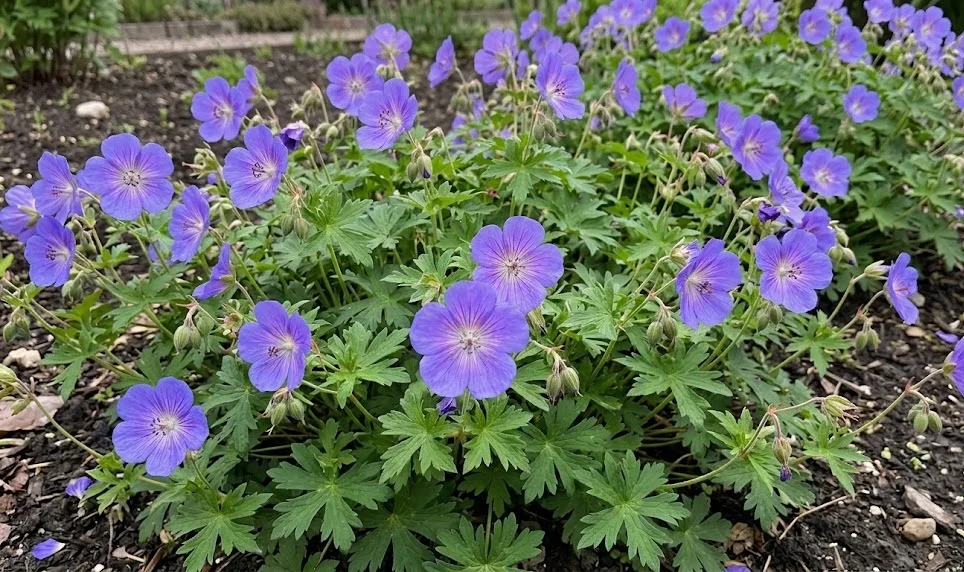

Preparing the Himalayan cranesbill for the winter months is a straightforward but essential part of its annual care cycle. This perennial is naturally hardy, having evolved in the high-altitude regions of Asia where cold temperatures are the norm. However, providing a little extra protection and proper cleanup can ensure the plant returns with even greater vigor in the spring. A professional overwintering strategy focuses on protecting the root system and managing moisture levels during the dormant period.
The process of overwintering begins long before the first frost arrives in the garden. As the days shorten and the temperatures begin to drop, the cranesbill naturally starts to slow its growth. During this time, the plant moves its energy and nutrients from the leaves down into the crown and roots. This internal migration is the plant’s primary way of preparing for the coming cold and ensuring its survival.
One of the most important aspects of winter care is resisting the urge to keep the plant growing too late into the season. Stopping all fertilization by late summer prevents the production of tender new growth that would be easily killed by frost. Allowing the plant to enter its natural dormancy at its own pace is much healthier than trying to force it to remain green. Respecting the seasonal rhythm of the perennial is a key principle of expert gardening.
Understanding your local hardiness zone will help you determine the level of protection your cranesbill might need. In most temperate regions, this plant is perfectly capable of surviving the winter without any special covers. However, in extremely cold or exposed locations, a few simple steps can provide an insurance policy for your most prized specimens. The goal is to minimize the stress on the dormant crown so it can burst back into life when the soil warms up.
Preparing the garden bed
As the first hard frost kills back the foliage, the garden can begin to look a bit untidy. Some gardeners prefer to leave the dead leaves in place to provide a natural layer of protection for the crown. Others choose to cut the stems back to within a few centimeters of the ground for a cleaner look. Both methods are acceptable, but cutting back can help prevent the buildup of fungal spores and hiding places for pests.
More articles on this topic
Cleaning up the area around the base of the plant is a professional habit that pays off in the spring. Remove any fallen debris or weeds that might harbor slugs or diseases during the winter months. This ensures that when the new shoots emerge, they do not have to compete for space or light immediately. A tidy bed also makes it easier to monitor the soil for any signs of early spring activity.
If the soil in your garden is prone to heaving during freeze-thaw cycles, a light mulch can be very beneficial. Heaving happens when the ground freezes and expands, sometimes pushing the roots of shallow-planted perennials out of the earth. A layer of straw, evergreen boughs, or shredded bark helps stabilize the soil temperature and prevents this movement. This extra layer acts like a thermal blanket for the sensitive root zone.
Finally, ensure that the area has adequate drainage before the winter rains and snow arrive. Standing water during the winter is a major cause of perennial loss, as it leads to rot and oxygen deprivation. If the soil remains saturated for long periods, it can be fatal to even the hardiest cranesbill. Taking the time to address drainage issues in the autumn is the best way to guarantee a successful overwintering.
Winter care for containers
Potted Himalayan cranesbill requires a different approach to overwintering than those planted in the ground. Because the roots are above the surface and surrounded by less soil, they are much more exposed to temperature fluctuations. A container can freeze solid much faster than the garden earth, which can damage the delicate root tissue. Protecting your potted plants is essential if you want them to survive several years in the same container.
More articles on this topic
One effective strategy is to move the pots to a more sheltered location, such as against a south-facing wall or into an unheated garage. This provides a buffer against the coldest winds and prevents the soil from experiencing extreme temperature drops. If the pots must stay in an exposed area, wrapping them in bubble wrap or burlap can provide some insulation. This simple step can make a significant difference in the survival rate of containerized perennials.
Moisture management is also a concern for potted plants during the winter months. While they are dormant and need much less water, the soil should never be allowed to dry out completely. Check the pots occasionally during dry spells or if they are in a spot that does not receive rainfall. A small amount of water every few weeks is usually enough to keep the roots hydrated without causing rot.
As spring approaches, monitor the containers for the first signs of life and gradually move them back to their summer positions. Avoid placing them in full, hot sun immediately if they have been in a dark garage all winter. A slow transition allows the new growth to harden off and adapt to the increasing light levels. This careful management ensures that your potted cranesbill remains a healthy and beautiful part of your collection.
Spring emergence and recovery
The return of the Himalayan cranesbill in the spring is one of the most exciting moments in the gardening calendar. As the soil temperature rises, you will see small, tightly curled leaves emerging from the center of the crown. This is the signal that the overwintering process was successful and that the plant is ready for a new season. It is a time of renewal and an opportunity to start your care routine once again.
Once the danger of severe frost has passed, you can gently remove any winter mulch that was applied. This allows the sun to warm the soil directly and encourages the plant to grow more rapidly. Be careful not to damage the tender new shoots while clearing away the old protective material. If any stems were left standing through the winter, this is the final time to cut them back to make room for new growth.
If you notice that a plant has been pushed up by the frost, gently press it back into the soil and add a bit of fresh earth around the base. This ensures that the roots remain covered and can continue to access moisture as the weather warms up. A light application of compost at this stage provides a gentle nutrient boost to support the initial growth spurt. The goal is to provide a smooth transition from winter dormancy to spring activity.
Monitoring for pests that might have overwintered near the plant is also a good practice during this time. Early spring is when slugs and snails often become active, and they find the fresh shoots of cranesbill particularly delicious. A proactive approach to pest management during these first few weeks can save a lot of foliage later on. With a little attention, your Himalayan cranesbill will quickly regain its lush, vibrant appearance.
Long term resilience and climate
The ability of the Himalayan cranesbill to survive winter year after year is a testament to its natural resilience. By following these professional overwintering steps, you are simply supporting the plant’s own survival mechanisms. Over time, you will learn how the plants in your specific garden respond to the local winter weather. This knowledge allows you to refine your approach and provide exactly what is needed for success.
As climate patterns change, you may find that your winters become wetter or experience more dramatic temperature swings. Adapting your care routine to these new realities is part of being a responsive and expert gardener. For example, if winters become more rainy, you might need to focus even more on drainage and preventing rot. If they become colder, adding extra mulch might become a standard part of your autumn tasks.
Sharing your experiences with other gardeners in your community can provide valuable insights into local overwintering challenges. Every garden is slightly different, and what works in one spot might need adjustment in another. This exchange of information helps everyone become more successful in preserving their perennial collections. The collective knowledge of a gardening community is a powerful resource for any horticultural enthusiast.
Ultimately, the goal of overwintering is to ensure that the beauty of the Himalayan cranesbill remains a permanent feature of your landscape. Each successful winter is a milestone that builds toward a more mature and impressive garden display. The effort you put into winter preparation is repaid many times over by the vibrant blue flowers and lush leaves of summer. A well-overwintered plant is a testament to both its own strength and your dedicated care.