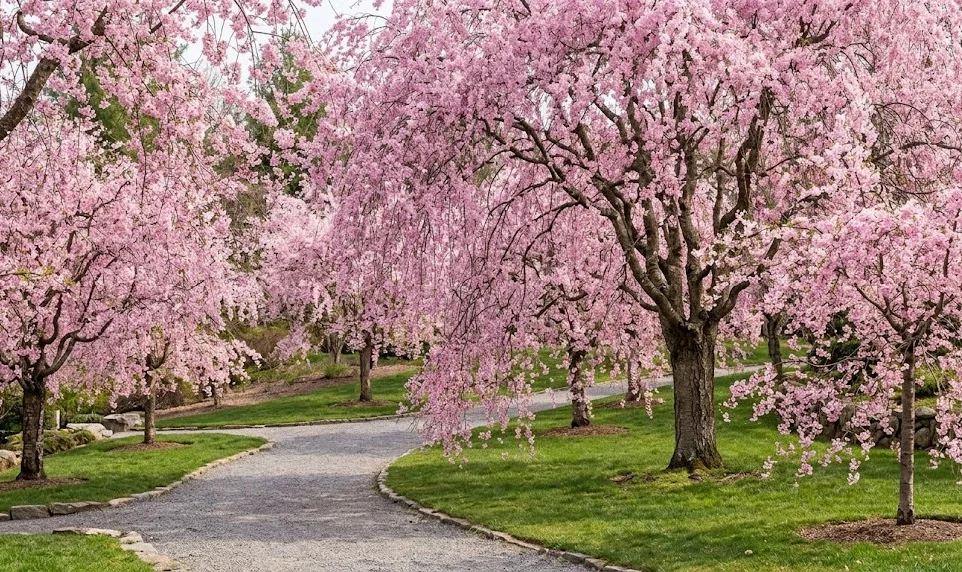

Mastering the art of pruning is essential for anyone who wishes to maintain the structural integrity and aesthetic elegance of an ornamental cherry tree. You will find that a thoughtful and systematic approach to cutting back branches will not only improve the tree’s appearance but also its long-term health. It is not about making drastic changes all at once, but rather about performing small, precise interventions that guide the tree’s natural growth. This professional guide provides the foundational techniques and timing needed to prune your specimens with confidence and skill.
Pruning is a conversation between the gardener and the plant, where every cut sends a specific message to the tree about where to direct its energy. You should always have a clear goal in mind before you start, whether it is removing dead wood, improving air circulation, or shaping the canopy for better symmetry. A well-pruned tree will have a balanced structure that can withstand the elements and a canopy that allows light to reach every leaf. By following professional standards, you ensure that your pruning enhances the tree’s natural beauty rather than detracting from it.
One of the most important aspects of pruning is using the right tools and keeping them in top condition through regular cleaning and sharpening. You will find that clean, sharp cuts heal much faster and are less likely to become entry points for various pests and diseases. It is also vital to understand the tree’s biology so that you make your cuts in the correct locations to encourage rapid healing. Pruning is a skill that improves with experience and observation, and taking the time to learn the basics will pay off for the life of your tree.
Safety should always be your top priority when pruning, both for yourself and for the tree you are working on. You should never attempt to prune large branches or work at heights without the proper equipment and training, as this is a job best left to professional arborists. For most garden maintenance, however, a pair of high-quality hand pruners and a small pruning saw are all you need to keep your tree in excellent shape. By taking a slow and steady approach, you can create a beautiful and healthy landscape feature that reflects your dedication to professional horticultural care.
Timing the cut
Knowing when to pick up your pruning shears is just as important as knowing where to make the cut on your ornamental tree. You should generally avoid pruning in the late winter or early spring just before the blossoms appear, as you will be cutting away the very thing everyone wants to see. The ideal time for most structural and aesthetic pruning is in the late spring or early summer, immediately after the flowers have faded. This allows the tree the entire growing season to heal its wounds and set new flower buds for the following year.
More articles on this topic
Pruning during the active growing season also allows you to see the full canopy and identify any branches that are crossing or crowding each other. You can easily spot dead or diseased wood when the rest of the tree is covered in healthy green leaves, making your task much more straightforward. It is important to avoid pruning during periods of extreme heat or drought, as the tree is already under stress and will have a harder time healing. By working with the tree’s natural growth cycle, you minimize the negative impact of your interventions and maximize the positive results.
There is one exception to the “summer pruning” rule, and that is the removal of dead, damaged, or severely diseased wood, which should be done as soon as you notice it. You should not wait for a specific time of year to perform this “sanitation pruning,” as leaving damaged wood on the tree can invite pests and further decay. Use a clean, sharp tool to make a clean cut back to healthy wood, regardless of the season or the current state of the tree’s growth. This immediate action is a key part of maintaining a healthy and resilient ornamental specimen in your garden.
Finally, avoid any heavy pruning in the late autumn or early winter, as the cuts will not have time to heal before the coldest weather arrives. Open wounds during the winter can be entry points for silver leaf fungus and other pathogens that are active during the damp, cool months. You want the tree to enter its dormant phase with its “skin” intact and its energy stored safely in its roots and main structure. By following this professional timing schedule, you ensure that your pruning activities support the tree’s health rather than compromising it.
Tool selection
Investing in high-quality pruning tools is a hallmark of a professional gardener and will make your work both easier and more effective. You should have a pair of bypass pruners for most small branches, as their scissor-like action creates a clean, smooth cut that heals quickly. Avoid anvil-style pruners for live wood, as they tend to crush the delicate tissues and can lead to dieback and infection. Keeping your pruners sharp and well-oiled ensures that they perform reliably every time you step into the garden.
More articles on this topic
For branches that are too thick for hand pruners, a small, high-quality pruning saw with a curved blade is an essential addition to your toolkit. These saws are designed to cut on the “pull” stroke, giving you more control and allowing you to work in tight spaces within the canopy. You might also find that a pair of long-handled loppers is useful for reaching slightly higher branches or those with a bit more diameter. Using the right tool for the size of the branch is not just about efficiency; it is about making the cleanest possible cut for the health of the tree.
Cleanliness is just as important as sharpness when it comes to your pruning equipment, especially if you are working on multiple trees in your landscape. You should disinfect your tools with a solution of rubbing alcohol or a mild bleach mixture after every few cuts, and always between different plants. This simple step prevents the accidental spread of bacterial and fungal diseases that might be hiding on the surface of the bark. A professional gardener always carries a cleaning kit along with their shears to ensure they are practicing good garden hygiene.
Regular maintenance of your tools will extend their life and save you money in the long run, while also protecting your prized ornamental trees. You should take the time to clean away any sap or debris after every pruning session and apply a light coat of oil to prevent rust. Learning how to sharpen your own blades is a valuable skill that ensures you are never forced to work with a dull tool. By treating your equipment with respect, you are demonstrating your commitment to the highest standards of professional horticultural care.
Structural pruning
The goal of structural pruning is to create a strong and balanced framework that will support the tree’s weight and withstand environmental stresses for many years. You should focus on identifying and maintaining a single “central leader” or main trunk that grows straight up through the center of the canopy. Removing competing stems that try to grow as second trunks will prevent weak “V-shaped” junctions that are prone to splitting during storms. This early intervention is the best way to ensure the long-term safety and stability of your ornamental specimens.
You should also look for branches that are growing at a narrow angle to the main trunk, as these often have “included bark” that makes the connection very weak. Aim to keep branches that have a wide, strong attachment angle, which are much better at distributing the physical loads of wind and snow. Removing or thinning out crossing branches that rub against each other is also a top priority, as the constant friction can create open wounds in the bark. A professional pruning job results in a canopy where every branch has its own space to grow and thrive.
Thinning the inner part of the canopy is another essential structural task that improves light penetration and air movement throughout the tree. You should remove some of the smaller, spindly interior growth to create a more open and “airy” appearance that is characteristic of a well-maintained specimen. This not only looks more elegant but also discourages the development of fungal diseases that thrive in still, humid environments. It is important to step back frequently and view the tree from all sides to ensure you are maintaining a balanced and symmetrical shape.
Finally, remember the “one-third” rule of professional pruning, which states that you should never remove more than a third of the tree’s total canopy in a single year. Removing too much wood at once can shock the tree and lead to a flush of weak “water sprouts” that grow straight up and ruin the tree’s natural form. If a tree requires significant renovation, it is much better to spread the work over two or three years to allow the specimen to adapt and recover. Patience and a long-term perspective are the keys to successful structural pruning in the ornamental garden.