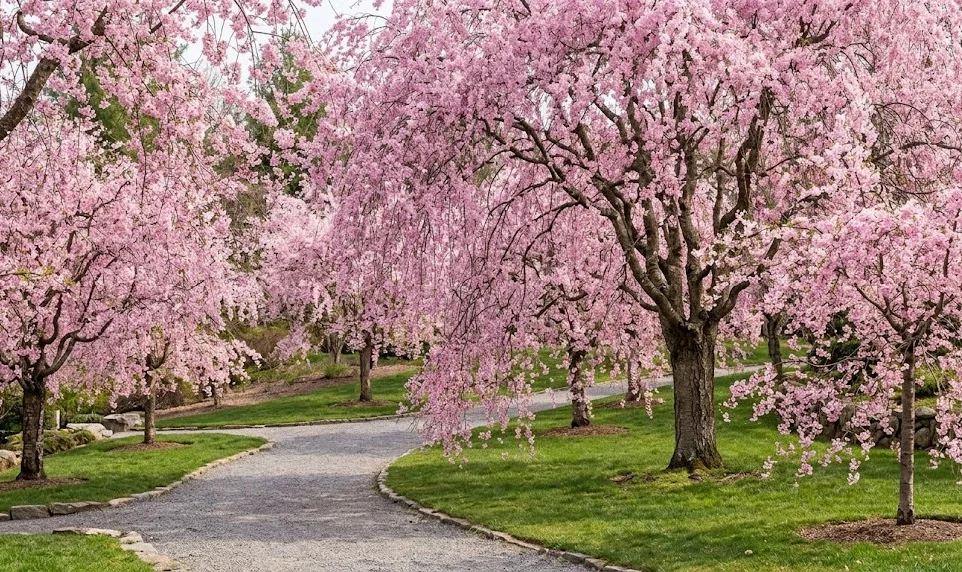

Understanding the light requirements of your ornamental cherry tree is fundamental to achieving the spectacular floral displays and healthy growth that characterize this variety. You will find that while the tree is adaptable to various garden conditions, its performance is directly linked to the quality and duration of sunlight it receives. It is not just about finding a bright spot, but about understanding how the light changes throughout the seasons and across different parts of your landscape. This professional guide will help you optimize the light environment to ensure your tree reaches its full aesthetic and biological potential.
In the world of horticulture, light is the primary source of energy that fuels everything from root development to the production of those delicate spring blossoms. You should aim to provide your tree with a location that mimics its natural habitat, where it would typically receive plenty of direct sun. A well-lit tree will have a denser canopy, stronger wood, and a much more vibrant display of flowers compared to one grown in deep shade. By paying close attention to the solar patterns in your garden, you can make informed decisions that will benefit the tree for its entire life.
While full sun is generally the goal, you must also be aware of the potential for heat stress and sunscald during the hottest parts of the year. You might notice that in very warm climates, a bit of light afternoon shade can actually be beneficial, protecting the foliage from the most intense rays of the day. This balance between light for energy and shade for protection is a hallmark of professional garden design and management. Finding the “sweet spot” in your specific microclimate is a rewarding challenge for any dedicated gardener.
Seasonal variations in light levels are another important factor to consider, as the angle of the sun changes significantly from summer to winter. You should observe how the shadows from nearby buildings and other trees move across your planting site during different times of the year. A spot that is perfectly sunny in June might be in deep shade by October, affecting the tree’s ability to store energy for the winter. This comprehensive understanding of light dynamics ensures that your tree remains a healthy and beautiful focal point through every season.
Full sun benefits
For most ornamental cherry varieties, “full sun” is defined as at least six to eight hours of direct, unfiltered sunlight every day during the growing season. You will find that trees grown in these conditions produce the most abundant and long-lasting flowers each spring. The energy from the sun allows the tree to build strong carbohydrates that are essential for the intensive process of blooming. A sun-drenched tree is also more likely to have a balanced and attractive shape, as it doesn’t have to “stretch” toward the light.
More articles on this topic
Sunlight also plays a critical role in maintaining the health of the foliage and reducing the risk of many common fungal diseases. You might notice that leaves that dry quickly after a rain or morning dew are much less likely to develop spots or powdery mildew. The natural UV rays from the sun act as a mild disinfectant, keeping the surface of the bark and leaves cleaner and healthier. This natural protection is a major benefit of choosing a site with excellent light exposure for your ornamental specimens.
The overall structural strength of the tree is also enhanced by regular exposure to full sun, leading to tougher wood and more resilient branches. You should see thicker growth and shorter internodes (the space between leaves) on a tree that receives plenty of light compared to one grown in the shade. This compact growth is much better at withstanding the physical stresses of wind, snow, and ice during the winter months. In essence, sunlight provides the building blocks for a tree that is not only beautiful but also physically robust and long-lived.
Finally, the fall color of the foliage is often much more spectacular on trees that have been grown in a sunny location throughout the summer. You will see more intense reds, oranges, and yellows as the tree prepares for dormancy, creating a second season of high ornamental interest. The chemical processes that create these colors are triggered by the interaction of light and cooling temperatures in the autumn. By prioritizing light in your site selection, you are ensuring a multi-seasonal display that brings joy to your garden for many months of the year.
Partial shade tolerance
While full sun is ideal, the higan cherry is known for its remarkable ability to tolerate partial shade better than many of its close relatives. You might find that in gardens with many large, established trees, a spot that receives four to six hours of sun is still a viable option. In these conditions, the tree may grow a bit more slowly and have a slightly more open or “airy” canopy structure. This can actually be quite an attractive look, providing a delicate and graceful silhouette in a woodland-style garden setting.
More articles on this topic
Partial shade can be a significant advantage in regions with extremely hot and dry summers, where full sun can lead to leaf scorch and heat stress. You should aim for a location that provides bright morning sun but offers some relief during the most intense afternoon hours. This “dappled light” mimics the environment of an edge-of-forest habitat where many ornamental cherries naturally thrive. Protecting the tree from the harshest rays can keep the foliage looking fresh and green much longer into the summer season.
If you are growing your tree in partial shade, you should be extra vigilant about moisture management and air circulation to prevent fungal issues. You might find it helpful to prune the canopy a bit more aggressively to ensure that light and air can reach the inner parts of the tree. Avoiding overhead watering is even more important in shaded areas, as the leaves will take much longer to dry out on their own. By making these small adjustments to your professional care routine, you can successfully grow a beautiful tree even in less-than-perfect light.
Observing the tree’s reaction to its light environment is the best way to determine if it is receiving enough energy to thrive. You should look for signs of “reaching,” where the branches grow long and thin toward the nearest light source, which can lead to a lopsided appearance. If the tree seems to be struggling or producing very few flowers, it may be a sign that it needs more light than its current location provides. Understanding this tolerance for shade allows you to be more flexible in your garden design while still prioritizing the tree’s fundamental needs.
Seasonal light changes
The path of the sun through the sky changes dramatically throughout the year, and your tree’s light environment will shift right along with it. You should be aware that a site that seems very sunny in the summer may be blocked by a nearby building or evergreen tree during the winter. While the tree is dormant and has no leaves, light is still important for maintaining bark health and regulating internal temperatures. Professional gardeners often use a “sun calculator” or simply spend time observing their landscape during each season to map these changes.
In the spring, the light levels are increasing just as the tree is waking up and preparing for its massive display of blossoms. You will notice that the absence of leaves on nearby deciduous trees allows more light to reach the cherry tree during its most critical growth period. This natural timing is perfect for the tree’s needs, providing the energy boost required for flowering before the summer canopy fully closes in. It is one of the many ways that ornamental cherries are perfectly adapted to the rhythms of a temperate garden environment.
Summer light is the most intense, and managing the combination of light and heat is a key part of your professional care routine during these months. You should monitor the soil moisture closely, as high light levels lead to faster evaporation and increased transpiration through the leaves. Providing a consistent environment during this peak energy period ensures that the tree can successfully set its flower buds for the following year. A well-lit summer is the secret to a spectacular spring, provided you manage the associated water needs of the tree.
As autumn arrives and the days grow shorter, the light takes on a softer, more golden quality that highlights the changing colors of the foliage. You should enjoy this period of transition, but also use it as a time to plan for any changes to the surrounding landscape that might affect future light levels. If nearby trees have grown significantly, you might consider some light thinning of their canopies to ensure your cherry tree continues to receive the light it needs. This long-term perspective on light management is what separates a professional approach from a casual one.