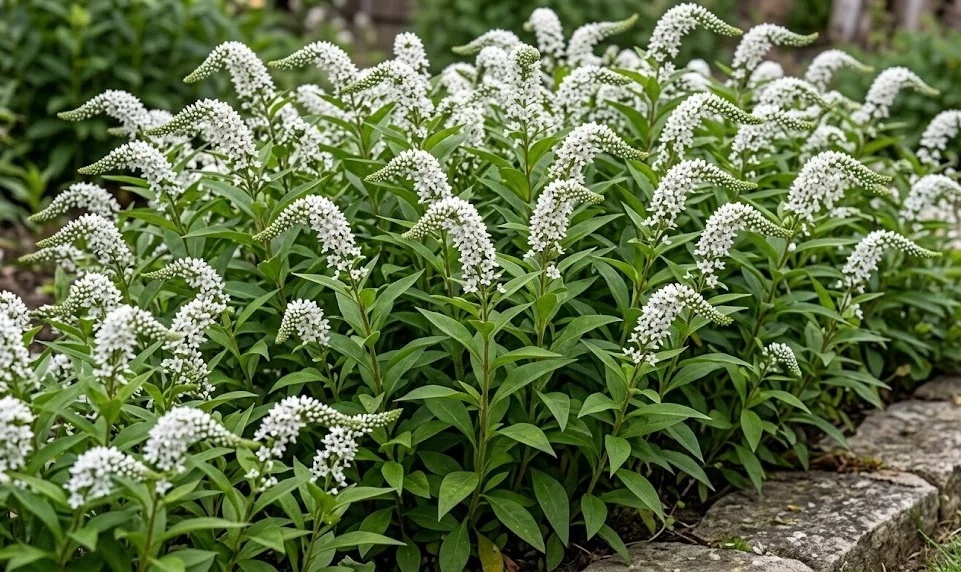

Maintaining the health of gooseneck loosestrife requires a vigilant eye for the various pests and diseases that can affect this beautiful perennial. While it is generally a robust and resilient species, it is not entirely immune to environmental stressors and biological threats. Early identification is the most critical factor in successfully managing these issues before they cause significant damage to your garden display. A professional gardener knows that prevention is always more effective than attempting to cure an advanced infestation.
The most common issues encountered with this plant are often related to its preference for moist environments, which can also favor certain pathogens. Fungal diseases such as rust and leaf spot are the typical culprits that can mar the appearance of the lush green foliage. These problems often arise during periods of high humidity or when air circulation around the plants is inadequate. Understanding the conditions that lead to these outbreaks will help you take proactive steps to protect your collection.
In addition to diseases, several types of pests may find the succulent leaves and stems of the loosestrife to be an attractive food source. Slugs and snails are notorious for their ability to damage young shoots and leave unsightly holes in the leaves during damp nights. Occasionally, insects like aphids or Japanese beetles may also make an appearance, though they rarely cause life-threatening damage. Knowing which pests to look for and how they behave is essential for maintaining a pristine garden.
In this comprehensive guide, we will examine the symptoms of the most common ailments and discuss effective management strategies. We will look at both organic and traditional methods for controlling outbreaks and keeping your plants in peak condition. By following these expert recommendations, you can ensure that your gooseneck loosestrife remains a healthy and vibrant part of your landscape for years to come. Let’s explore the world of plant protection for this unique species.
Common fungal issues and leaf spots
Fungal diseases are the most frequent health problem faced by gooseneck loosestrife, particularly in damp or humid climates. Leaf spot is often characterized by small, dark brown or black circles appearing on the surface of the foliage. If left untreated, these spots can merge together, causing entire leaves to turn yellow and drop prematurely from the plant. This not only looks unattractive but also weakens the overall vigor of the colony over time.
More articles on this topic
Rust is another fungal pathogen that can occasionally affect this species, appearing as orange or reddish powdery pustules on the undersides of the leaves. You may notice that the upper surface of the leaf becomes mottled or pale in response to the infection underneath. Rust spores are easily spread by wind and splashing water, making it a difficult disease to contain once it has started. Removing and destroying any infected foliage immediately is the best way to stop the cycle of infection.
Powdery mildew can sometimes appear as a white, flour-like coating on the stems and leaves during late summer. This condition is usually favored by warm days followed by cool, damp nights, which are common as the season transitions. While it rarely kills the plant, it can significantly detract from its visual appeal and may stunt the growth of new flower spikes. Improving the spacing between plants and ensuring they are in a sunny location can help reduce the incidence of this mildew.
To prevent these fungal issues, it is essential to practice good garden hygiene and provide adequate air circulation. Avoid watering the plants from above, as wet foliage is the primary invitation for fungal spores to germinate and take hold. Instead, use a soaker hose or aim the water directly at the base of the stems to keep the leaves as dry as possible. Thinning out overgrown clumps every few years also helps air move more freely through the center of the planting.
Identifying and managing common garden pests
Slugs and snails are the most persistent pests when it comes to gooseneck loosestrife, especially in the early spring. These nocturnal creatures are drawn to the cool, moist environment that the plant prefers and can devour emerging shoots overnight. You will often see large, irregular holes in the leaves or silvery slime trails left behind on the soil surface. They are particularly destructive to young plants that have not yet established a large enough leaf mass to survive heavy grazing.
More articles on this topic
Aphids are small, soft-bodied insects that may cluster on the undersides of leaves or on the tender new growth of the flower spikes. They feed by sucking the sap from the plant, which can lead to distorted leaves and a general lack of vigor. In some cases, aphids can also transmit viral diseases from one plant to another as they move through the garden. A strong stream of water from a garden hose is often enough to dislodge these pests without the need for chemicals.
Japanese beetles can occasionally be a nuisance during the peak of summer, skeletonizing the leaves as they feed. These metallic green and bronze beetles are very mobile and can quickly move from one part of the garden to another. While gooseneck loosestrife is not their primary host, a large population of beetles can still cause noticeable aesthetic damage. Hand-picking the beetles in the early morning when they are sluggish is a highly effective and environmentally friendly control method.
Spider mites may become a problem during periods of hot, dry weather when the plant is already under some degree of water stress. These tiny pests are difficult to see with the naked eye but leave behind fine webbing and a stippled, yellow appearance on the leaves. Keeping the plants well-hydrated and occasionally misting the foliage can create an environment that is less hospitable for these mites. If an infestation becomes severe, you may need to use an insecticidal soap to bring the population under control.
Preventative measures for a healthy garden
The best defense against both pests and diseases is to maintain the overall health and vigor of your plants. A strong, well-fed gooseneck loosestrife is much better equipped to naturally resist infections and recover from minor pest damage. Ensuring that the plants are growing in the right location with appropriate soil and moisture is the most important preventative step. Stress is the primary factor that makes plants vulnerable to attack, so keeping them happy is your first priority.
Regularly inspecting your garden is a vital habit for any professional gardener who wants to stay ahead of potential problems. Spend a few minutes each week looking closely at the foliage and stems of your loosestrife for any unusual spots or signs of insect activity. Catching a problem in its earliest stages often means it can be solved with a simple pruning or a localized treatment. Early intervention prevents a minor nuisance from becoming a full-blown infestation that threatens the entire garden bed.
Proper spacing and thinning are critical for reducing the humidity levels within the plant canopy. If the gooseneck loosestrife becomes too dense, moisture can become trapped, creating a perfect breeding ground for fungal pathogens. Every three to four years, consider dividing the clumps to maintain a healthy balance between leaf mass and airflow. This also gives you an opportunity to inspect the root systems for any signs of subterranean pests or rot.
Cleaning up garden debris in the autumn and early spring is another essential preventative measure you should follow. Many pests and disease spores overwinter in fallen leaves and dead stems, waiting for the return of warm weather to strike again. By removing and composting or discarding this old material, you significantly reduce the local population of potential threats. A tidy garden is not just about aesthetics; it is a fundamental part of integrated pest management.
Organic control methods and natural remedies
If you do encounter a problem, there are many effective organic options available that are safe for both the environment and beneficial insects. For fungal issues, a spray made from baking soda and water can help alter the pH of the leaf surface, making it less suitable for fungi. Neem oil is another versatile organic treatment that has both antifungal and insecticidal properties, making it a great all-purpose tool. Always test any spray on a small area of the plant first to ensure it does not cause sensitivity.
Copper-based fungicides are sometimes used for more persistent cases of rust or leaf spot that do not respond to simpler remedies. These products are generally accepted in organic gardening but should be used sparingly and only when necessary. Copper prevents fungal spores from germinating, so it is most effective when applied as a preventative measure during periods of high disease pressure. Always follow the label instructions carefully to avoid any negative impact on the soil biology.
For controlling slugs and snails, beer traps or copper barriers can be very effective without introducing toxins into the soil. You can also encourage natural predators like toads, frogs, and ground beetles to live in your garden by providing them with suitable habitats. These beneficial animals can consume a significant number of pests each night, providing a natural balance to the ecosystem. Diatomaceous earth sprinkled around the base of the plants can also act as a physical deterrent for soft-bodied pests.
Beneficial insects like ladybugs and lacewings are excellent allies in the fight against aphids and other small sap-sucking pests. You can attract these “good bugs” by planting a variety of flowers that provide them with pollen and nectar throughout the season. Avoid using broad-spectrum insecticides that kill these helpful predators along with the pests you are trying to target. A healthy, diverse garden will often reach a state of equilibrium where pests are kept in check by their natural enemies.
Recovery after an infestation or disease outbreak
After successfully treating a pest or disease problem, it is important to help your gooseneck loosestrife recover its strength. Providing a light application of a balanced, liquid fertilizer can give the plant the nutrients it needs to grow new, healthy foliage. Be sure to keep the plant well-watered during the recovery period, as it will be more sensitive to drought than usual. Avoid any heavy pruning or division until the plant shows clear signs of returning to its full vigor.
If a large portion of the foliage was damaged by disease, you may want to cut the affected stems back to encourage fresh growth. Gooseneck loosestrife is very resilient and will often send up new shoots from the base even if the top growth is removed. This can be a great way to “reset” the plant and remove any lingering sources of infection from the previous outbreak. Just be sure to dispose of the removed material far away from your healthy garden beds.
Take some time to reflect on why the problem occurred and what changes you can make to prevent it from happening again. Was the area too shaded, or did the soil stay too wet for too long during a rainy spell? Perhaps the plants were overcrowded, or you missed the early signs of an emerging pest population. Learning from each experience is what separates an amateur from a professional horticultural expert in the long run.
Finally, remember that a few holes in a leaf or a minor spot here and there is a natural part of a living garden ecosystem. You do not need to aim for laboratory-level perfection; the goal is to maintain a healthy and sustainable balance. Gooseneck loosestrife is a tough survivor that can handle a fair amount of stress and still put on a spectacular show. With your careful guidance and expert care, it will continue to thrive despite the occasional challenges from nature.