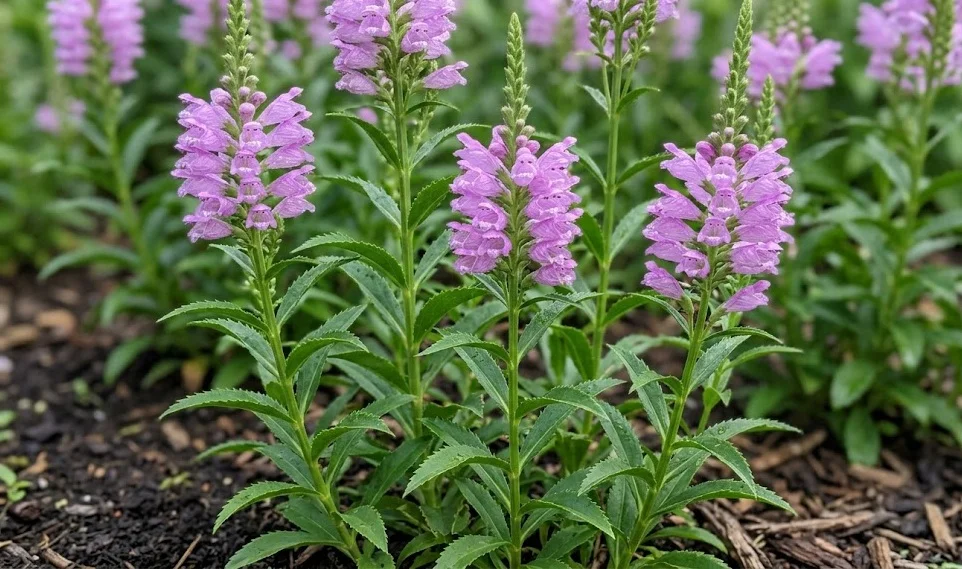

Effective pruning and cutting back are the primary tools you have for controlling the shape, health, and vigor of the obedient plant. You will find that this perennial responds very well to various levels of intervention, allowing you to tailor its growth to your specific garden needs. Whether you want to encourage more blooms, prevent unwanted spreading, or simply maintain a tidy appearance, knowing when and how to pick up your shears is a vital skill. By following a few expert guidelines, you can ensure that your pruning efforts support the plant’s natural beauty rather than working against it.
Early season shaping and pinching for stability
In the late spring, when your obedient plant has reached about twelve to fifteen inches in height, you have a great opportunity to influence its future form. You should consider pinching off the growing tips of the stems to encourage lateral branching and a more compact growth habit. This technique, often used by professional horticulturists, results in a bushier plant with more flower spikes, even if they are slightly smaller than they would be otherwise. It also significantly improves the plant’s overall stability, often eliminating the need for staking later in the season.
If you are growing the plant in a formal border where height control is important, you can repeat this pinching process a second time before the end of June. You should avoid pruning any later than this, as you don’t want to accidentally remove the developing flower buds that will bloom in late summer. This strategic timing ensures that the plant remains vigorous and productive while staying within the height limits you have set for your garden design. It is a simple but effective way to take control of your landscape’s aesthetic.
Pruning in the spring is also the perfect time to identify and remove any stems that look weak, damaged, or diseased from the previous winter. You should use clean, sharp shears to cut these stems back to the ground to allow the plant to focus its energy on healthy new growth. This early grooming helps to improve air circulation within the clump, which is essential for preventing fungal issues later in the season. A clean start in the spring leads to a much healthier and more vibrant display all summer long.
You might also use this time to thin out the number of stems in a particularly dense clump to allow more light and air to reach the center. You should aim to remove about one-third of the stems, focusing on the oldest or most crowded areas of the plant. This practice rejuvenates the entire colony and ensures that each remaining stem has the resources it needs to produce high-quality flowers. Learning to be a bit ruthless with your shears in the spring will pay off in a much better-looking garden by late summer.
More articles on this topic
Mid-season maintenance and deadheading
As the first flush of flowers begins to fade in late summer, you should stay active with your pruning to keep the plant looking its best. You should remove the spent flower spikes by cutting them back to the first set of healthy leaves or a lateral bud. This practice, known as deadheading, prevents the plant from wasting energy on seed production and can often stimulate the development of smaller, secondary blooms. It also keeps the plant looking tidy and fresh during a time when many other perennials are starting to look a bit tired.
Deadheading is also a very effective way to manage the obedient plant’s tendency to self-seed and spread into unwanted areas of the garden. You should make sure to remove the flower spikes before the seeds have a chance to mature and drop onto the soil surface. This proactive step can save you a lot of weeding work in the following spring and help keep your garden layout exactly the way you want it. It is one of the most important maintenance tasks for any gardener who wants a well-ordered and manageable landscape.
During the peak of the summer, you should also keep an eye out for any foliage that has become yellowed, spotted, or otherwise unattractive. You can simply snip away these individual leaves to improve the overall look of the plant and eliminate potential hiding spots for pests. This kind of “light grooming” only takes a few minutes a week but makes a huge difference in the overall impact of your perennial borders. A well-maintained plant is always a more enjoyable feature of your outdoor space.
If you find that some of the taller stems have become floppy despite your early season efforts, don’t be afraid to cut them back by half even in mid-summer. You might lose some of the potential flowers on those specific stems, but the resulting growth will be much sturdier and the plant will look much more organized. Gardening is often about making these kinds of trade-offs to achieve the best overall result for your specific situation. Trust your intuition and don’t be afraid to experiment with different pruning levels.
More articles on this topic
Final autumn cutback and seasonal cleanup
Once the flowering season is over and the first frosts have turned the foliage brown, it is time for the final pruning of the year. You should cut the entire plant back to within a few inches of the ground to prepare it for its winter dormancy. This removal of dead material not only makes the garden look much tidier during the winter months but also removes potential overwintering sites for diseases and pests. Using a sharp pair of bypass pruners or garden shears will make this task quick and easy.
Some gardeners prefer to leave the dried seed heads standing during the winter to provide food for birds and interest in the snowy landscape. You might choose to leave a few of the sturdiest stems standing while cutting the rest back, creating a balanced look that supports local wildlife. If you do this, just be prepared to finish the cleanup in the very early spring before the new growth begins to emerge. Your choice should reflect your personal gardening philosophy and the specific needs of your local ecosystem.
After cutting back the stems, you should carefully remove all the debris from the planting area and dispose of it properly. You should avoid composting any material that showed signs of disease during the growing season to prevent spreading spores back into your garden later. A clean soil surface allows you to easily apply a fresh layer of winter mulch, which protects the crown of the plant from extreme temperature fluctuations. This final act of care is the perfect way to wrap up the growing season.
Reflecting on your pruning efforts at the end of the year can help you plan for even better results in the future. You might decide to pinch back more aggressively next spring, or perhaps try leaving more stems for the birds next winter. Every year in the garden is a learning experience, and the obedient plant is a wonderful teacher of the benefits of proper maintenance. Take pride in the work you have done to keep your plants healthy and beautiful throughout the year.