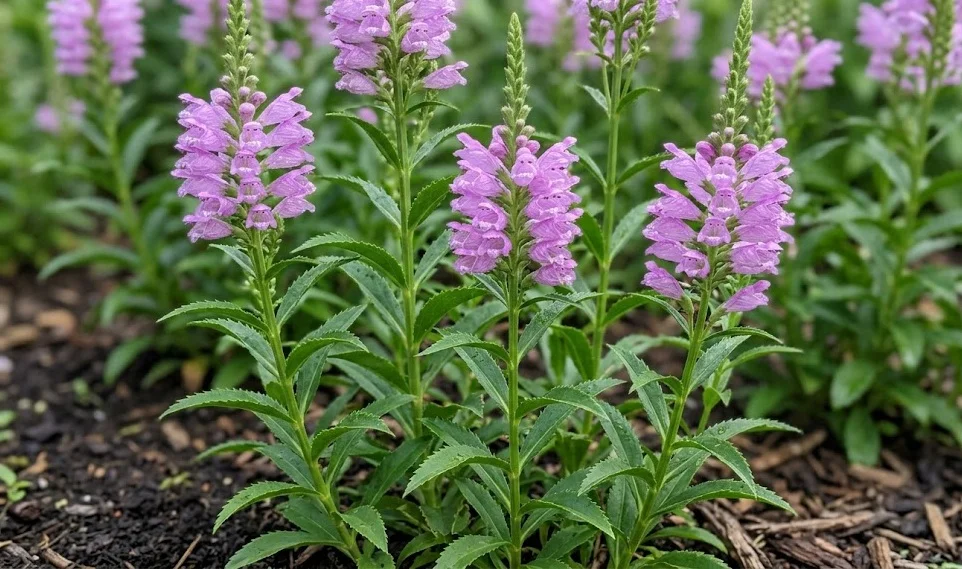

Preparing the obedient plant for the colder months is a crucial part of its annual maintenance cycle that ensures its survival and future vigor. You will find that while this perennial is exceptionally hardy, a little bit of extra care in late autumn can make a significant difference in how it recovers the following spring. By understanding the plant’s natural dormancy patterns and providing the necessary protection, you are helping it build the energy reserves needed for another season of spectacular growth. A successful overwintering strategy involves a combination of structural cleanup and soil management that fits your specific climate.
Preparing the garden for the first hard frost
As the days grow shorter and the temperatures begin to drop, you will notice the foliage of the obedient plant starting to fade and lose its vibrant green color. This is a natural signal that the plant is moving its energy from the leaves down into the root system and rhizomes for the winter. You should wait until the foliage has completely turned brown before doing any major cutting back, as this allows the plant to maximize its nutrient storage. Being patient during this transition phase is an important part of supporting the plant’s biological needs.
Once the tops have died back completely, you have a choice about how much of the material to remove from the garden bed. You might decide to cut the stems down to about two or three inches above the ground to create a tidy look for the winter. Alternatively, you can leave some of the stems standing to provide winter interest and a habitat for beneficial insects that may be overwintering in your garden. Both approaches have their merits, and your choice should reflect your personal aesthetic and ecological goals.
If you have experienced any disease issues during the growing season, it is best to remove all the dead plant material and dispose of it away from the garden. You want to avoid leaving any fungal spores or pest eggs on the soil surface where they could easily re-infect the new growth in the spring. A thorough cleanup in the late autumn is one of the most effective ways to prevent recurring problems year after year. Keeping your garden beds clean and organized is a hallmark of a professional-level maintenance routine.
Finalizing your autumn tasks also involves checking the labels and markers in your perennial borders to ensure they are still legible. You will find it much easier to plan your spring projects if you know exactly where each plant is located while it is dormant underground. Taking a few photographs of the garden before everything disappears can also be a helpful reference for the following year. Being organized now will save you a lot of guesswork and potential mistakes when the busy spring season arrives.
More articles on this topic
Providing insulation and protecting the crown
While the obedient plant is very cold-hardy, the freeze-thaw cycles of winter can sometimes be more damaging than the cold itself. You should consider applying a fresh layer of mulch over the crown of the plant once the ground has started to freeze. This insulation helps to keep the soil temperature more stable, preventing the roots from being pushed out of the ground by the expanding ice. This process, known as frost heaving, can expose delicate roots to the drying winter air and lead to significant damage.
The best materials for winter mulching are those that are loose and provide plenty of air pockets, such as straw, evergreen boughs, or shredded leaves. You should aim for a layer that is about three to four inches deep, making sure it covers the entire root zone of the plant. Avoid using heavy, wet materials that could compact over the winter and suffocate the crown or encourage rot. A breathable layer of protection is exactly what your perennials need to stay safe during the harshest months.
In regions with very little snow cover, the drying winter winds can be particularly hard on dormant plants. You might find that a bit of extra protection, such as a windbreak made of burlap or a temporary fence, can help shield your more exposed garden beds. Snow is actually an excellent natural insulator, so if you have it, try to keep it piled over your planting areas for as long as possible. Working with nature’s own protective measures is always the most efficient way to manage your landscape.
As winter progresses, you should occasionally check the mulch layer to ensure it hasn’t been blown away or disturbed by animals. You might need to add a bit more material if the winter is particularly long or harsh to maintain that vital protective barrier. It is also a good idea to keep an eye out for any signs of rodent activity, as they sometimes like to burrow under the mulch and nibble on plant roots. Being a vigilant steward of your garden continues even when the plants themselves are out of sight.
More articles on this topic
Managing moisture levels during dormancy
Understanding the water needs of a dormant plant is a subtle skill that can prevent many winter losses. You should ensure that the soil has adequate moisture before the ground freezes solid for the winter, as dry roots are much more susceptible to cold damage. If you have experienced a very dry autumn, providing one last deep watering before the first hard freeze is a very good idea. A well-hydrated plant is always a more resilient plant, regardless of the season.
During the winter months, the plant’s water needs are very low, but the soil should never be allowed to become completely bone-dry for extended periods. In many regions, natural precipitation in the form of rain or snow is sufficient to keep the roots healthy. However, if you live in an area with dry winters and no snow, you might need to provide a light watering during a warm spell. Be careful only to do this when the ground is not frozen so that the water can actually reach the root zone.
On the flip side, you must also be careful that the plant is not sitting in standing water during the winter thaws. You should observe how the water drains from your garden beds during a mid-winter melt to identify any potential problem areas. If you see large puddles forming over your obedient plants, it might be a sign that you need to improve the drainage in that area for the future. Standing water can quickly lead to crown rot, especially when the plant is not actively growing.
As the late winter arrives and the ground begins to thaw more permanently, the moisture balance becomes even more critical. You want the soil to be moist enough to support the coming spring growth, but not so wet that it stays cold and stagnant for too long. Proper soil structure, which you have worked on throughout the year, will now prove its worth by managing this delicate balance for you. Trust in the foundation you have built for your plants and stay observant as the seasons change.
Preparing for the spring awakening
The final phase of overwintering is knowing when and how to remove the protective measures you put in place in the autumn. You should start to gradually thin out the winter mulch as the temperatures begin to stay consistently above freezing in the early spring. Removing the insulation too early can expose the new shoots to a late frost, while leaving it on too long can cause them to become blanched and weak. Finding the right timing is often a matter of watching the local weather forecast and your plants’ reactions.
Once the new green shoots begin to peek through the soil surface, you can carefully clear away any remaining winter debris and old stems. You should be gentle during this process to avoid snapping the tender new growth, which is very brittle at this stage. This is a great time to apply a light layer of fresh compost to give the plants a gentle nutritional boost for the coming season. Seeing those first signs of life is one of the most rewarding moments for any gardener after a long winter.
If you notice that some plants have been pushed up by the frost, you should gently press them back into the soil and add a little extra earth around the roots. You might find that some divisions are necessary if the clump has become too large or if the center has started to die out. Spring is a time of renewal and activity, and your obedient plant will be ready to respond to your care with vigorous new stems. The cycle begins anew, and your efforts over the winter have laid the groundwork for success.
Take a moment to reflect on what worked well during the overwintering process and what you might change for next year. Every winter is a bit different, and your garden will continue to teach you new things if you are willing to learn. The obedient plant is a reliable friend in the garden, and its return each year is a testament to its toughness and your good stewardship. Enjoy the excitement of the spring season and the promise of the beautiful flowers to come.