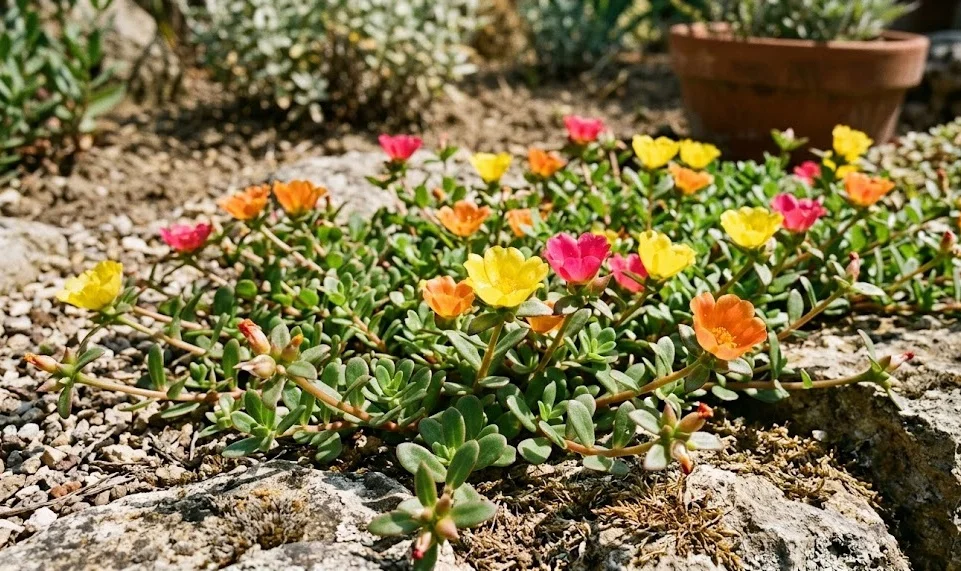

The wingpod purslane is a tender perennial that cannot survive the freezing temperatures of a typical temperate winter. For gardeners who wish to preserve their favorite specimens, the process of overwintering is a necessary annual ritual. This requires a transition from the intense light and heat of the summer garden to a more controlled, dormant environment indoors. By understanding the physiological changes the plant undergoes during this time, you can successfully guide it through the cold months and prepare it for a vibrant return in the spring.
Deciding when to move indoors
The timing of the transition from outdoors to indoors is the most critical decision in the overwintering process. Wingpod purslane begins to suffer when nighttime temperatures consistently drop below ten degrees Celsius. While it can handle a single cool night, prolonged exposure to cold will weaken the plant and make it susceptible to rot. It is always better to move the plant inside a week too early than a night too late.
Monitoring the local weather forecast becomes a daily task as autumn progresses. Look for the first signs of frost, which can be fatal to the succulent tissues of this species. Even if the days are still warm and sunny, the cooling soil and longer nights send signals to the plant to slow down its metabolism. This natural transition period is the perfect time to start preparing the plant for its winter home.
Before bringing any plant inside, a thorough inspection for pests is absolutely essential. You do not want to introduce aphids, mealybugs, or spider mites into the controlled environment of your home. Wash the foliage gently with a spray of water and check the soil surface for any unwanted hitchhikers. If you find any pests, treat them immediately and ensure the plant is “clean” before it crosses the threshold of your indoor space.
Acclimation is a professional technique that helps the plant adjust to the lower light levels of an indoor environment. Instead of moving the plant directly from full sun to a dark corner, try placing it in a shaded spot outdoors for a few days first. This gradual decrease in light intensity allows the plant to adjust its internal chemistry and reduces the risk of leaf drop. A smooth transition is key to a successful overwintering experience.
More articles on this topic
Creating the ideal winter environment
Once inside, the wingpod purslane needs a location that provides the maximum amount of light possible. A south-facing windowsill is usually the best option, as it offers the most consistent winter sun. Even in a sunny window, the light intensity is significantly lower than it was outdoors, so the plant will naturally grow more slowly. If you notice the stems stretching toward the light, you may need to supplement with a small grow light.
Temperature management is equally important for maintaining a healthy dormant state. The plant prefers a cool but frost-free environment during the winter, ideally between 12 and 18 degrees Celsius. Placing it near a heat vent or a drafty door can cause unnecessary stress and lead to a decline in health. A stable, cool room where the temperature does not fluctuate wildly is the perfect winter sanctuary for this succulent.
Humidity levels inside most homes are very low during the winter due to central heating. While wingpod purslane is drought-tolerant, extremely dry air can sometimes encourage spider mite infestations. You do not need a humidifier, but keeping the plant away from direct heat sources will help maintain a more natural moisture level in the air. Professional growers often group their plants together to create a slightly more humid microclimate through collective transpiration.
The choice of container for the winter can also impact the plant’s survival. If the plant is currently in a very large pot with a lot of soil, it might be safer to move it to a smaller one. Excess soil that does not have roots growing through it will stay wet for a long time, increasing the risk of root rot during dormancy. A snug pot with excellent drainage is the safest place for a succulent to spend the winter months.
More articles on this topic
Maintenance during the dormant phase
The most common mistake made during overwintering is providing too much water. During the winter, the wingpod purslane’s metabolic rate is at its lowest, and it needs very little moisture to survive. You should only water when the soil has dried out completely, which might only be once every three or four weeks. When you do water, provide just enough to prevent the stems from shriveling, but never let the pot sit in a saucer of water.
Fertilization should be completely stopped during the winter months. Adding nutrients when the plant is not actively growing can lead to a buildup of salts in the soil and may stimulate weak, leggy growth. The plant needs this period of rest to conserve its energy for the following spring. Think of winter as a “recharge” period where the goal is simply maintenance rather than growth.
Pruning can be done before moving the plant inside to make it more manageable and to remove any leggy summer growth. Cutting the stems back by about a third can help the plant focus its resources on its core structure. Use clean, sharp shears to make precise cuts and allow the wounds to dry in the air. This light grooming also makes it easier to inspect the plant for pests and diseases.
Daily observation is still important, even though the plant is less active. Keep an eye out for any signs of mold on the soil surface or soft spots on the stems, which indicate too much moisture. If you notice any yellowing leaves, remove them promptly to prevent them from rotting against the healthy tissues. Being attentive during the quiet winter months ensures that you catch any potential problems before they become serious.
Preparing for the spring return
As the days begin to lengthen and the sun grows stronger in late winter, you will notice the first signs of renewed life. Small green buds may start to appear along the stems, indicating that the plant is waking up from its dormancy. This is the signal to gradually increase the amount of water you provide. You can also start to reintroduce a very dilute fertilizer to support the new growth.
The transition back to the outdoors must be done even more carefully than the move inside. Start by placing the plant in a protected, shady spot for a few hours each day when the temperatures are mild. Gradually increase the exposure to direct sunlight and fresh air over a period of ten to fourteen days. This process, known as hardening off, is essential to prevent the tender indoor foliage from being scorched by the sun.
Only move the plant to its permanent outdoor location once all danger of frost has passed and the nights are reliably warm. Check the soil temperature if possible; it should be at least fifteen degrees Celsius for the best results. If the weather takes a sudden turn for the cold, be prepared to bring the plant back inside or cover it for the night. A professional gardener is always ready to protect their investments from the unpredictability of early spring.
Once the plant is back in its summer home, you can give it a more thorough pruning to shape it for the new season. This is also the perfect time to repot the plant if it has become root-bound or if the soil has become compacted. With fresh soil, more light, and a regular watering schedule, your overwintered wingpod purslane will quickly regain its vigor. Soon, it will be blooming as beautifully as it did the previous year, rewarding your winter efforts.