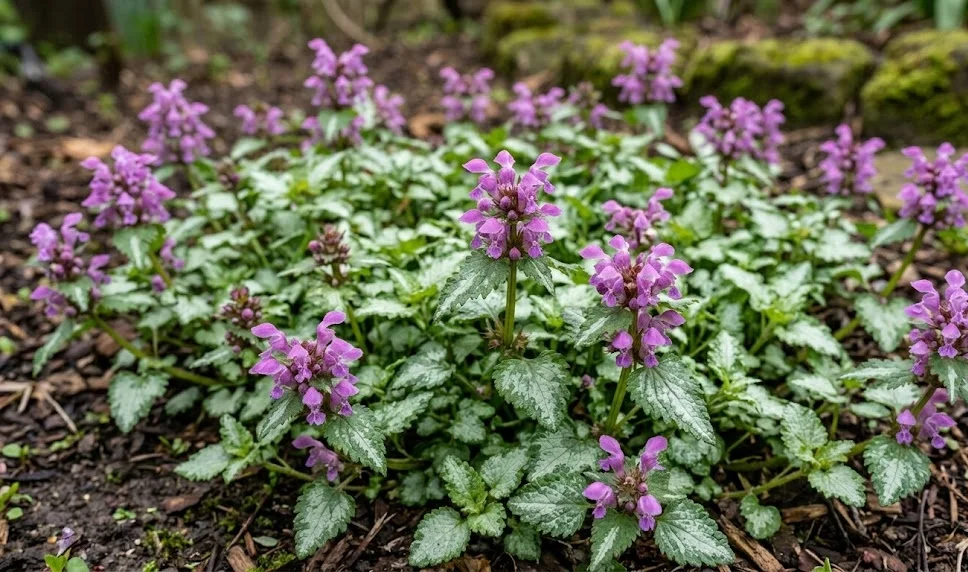

Maintaining the vitality of spotted dead-nettle requires a nuanced understanding of its ecological preferences and growth patterns. This versatile groundcover thrives in diverse conditions, but achieving a lush, vibrant carpet of foliage involves consistent attention to soil health and environmental stressors. Gardeners often value this plant for its ability to brighten shaded areas where other species might struggle to survive. By following established horticultural practices, one can ensure that the plant remains a healthy and attractive component of the landscape for many years.
Foundations of soil health
The success of any groundcover begins with the composition and structure of the soil in which it resides. Spotted dead-nettle prefers a medium that is rich in organic matter and maintains a consistent moisture level without becoming waterlogged. Heavy clay soils should be amended with compost or well-rotted manure to improve drainage and aeration for the delicate root systems. It is essential to monitor the soil pH, as this species performs best in slightly acidic to neutral environments.
A well-structured soil allows the rhizomes to spread efficiently across the garden bed. If the ground is too compacted, the plant may struggle to establish a dense mat, leading to patchy growth and increased vulnerability. Incorporating leaf mold can simulate the forest floor environment where these plants naturally evolve. Regular soil testing helps in determining if essential micronutrients are present in sufficient quantities for optimal foliage pigmentation.
Microbial activity in the soil plays a crucial role in the nutrient uptake process for these perennials. By avoiding harsh synthetic chemicals, a gardener can foster a healthy ecosystem of beneficial fungi and bacteria. These microorganisms assist in breaking down organic material into forms that the roots can easily absorb. A thriving soil biome acts as a natural defense mechanism against various soil-borne pathogens.
Aeration is another critical factor that influences the long-term health of the plant. Over time, garden soil can settle and lose the air pockets necessary for root respiration. Using a garden fork to gently loosen the soil around the periphery of the plant can encourage new growth. This practice is particularly beneficial in early spring before the main growing season begins in earnest.
More articles on this topic
Seasonal management strategies
Adapting care routines to the changing seasons ensures that the plant remains resilient throughout the year. In the spring, the primary focus is on removing dead foliage and encouraging the emergence of new, colorful shoots. This is the ideal time to apply a light layer of organic mulch to conserve moisture for the upcoming warmer months. Observing the first signs of growth allows for timely intervention if any winter damage is detected.
During the peak of summer, the main challenge is managing heat stress and preventing the soil from drying out completely. While the plant is relatively hardy, extreme temperatures can cause the delicate leaves to scorch or wilt. Providing temporary shade or increasing the frequency of hydration can help maintain the aesthetic appeal of the foliage. It is important to avoid overhead watering during the hottest part of the day to minimize evaporation and leaf damage.
Autumn brings a transition where the plant begins to prepare for its dormant phase. Reducing the frequency of certain maintenance tasks allows the plant to naturally harden off before the first frost. This is an excellent period for cleaning up fallen leaves from surrounding trees that might smother the groundcover. Maintaining a clean area helps prevent the buildup of moisture that could lead to fungal issues during the damp autumn weeks.
Winter care is generally minimal, but protecting the root zone remains a priority in colder climates. A steady layer of snow can actually act as an insulator, protecting the plant from extreme temperature fluctuations. In regions with little snowfall, a thin layer of evergreen boughs can provide similar protection against desiccating winds. Monitoring the site for any signs of frost heaving is also advisable during periods of repeated freezing and thawing.
More articles on this topic
Optimizing moisture levels
Consistent moisture is the lifeline of a flourishing dead-nettle colony, especially in partially shaded locations. The goal is to keep the root zone damp but never saturated, as excess water can quickly lead to root rot. Using a finger to check the moisture level an inch below the surface is a simple yet effective diagnostic tool. During periods of drought, the plant will communicate its distress through drooping stems and duller leaf colors.
Implementing a drip irrigation system can be a highly efficient way to deliver water directly to the base of the plants. This method reduces water waste and keeps the foliage dry, which is key to preventing many common leaf diseases. If manual watering is preferred, it should be done early in the morning to allow any accidental leaf moisture to dry quickly. Deep, infrequent watering is generally better than shallow, daily sprinkles for encouraging deep root growth.
Mulching is an indispensable technique for moisture regulation in the garden. A two-inch layer of organic mulch, such as shredded bark or compost, significantly reduces evaporation from the soil surface. It also helps to keep the roots cool during the height of summer, which promotes more consistent growth. Care should be taken to keep the mulch a few inches away from the main stems to prevent crown rot.
The drainage capacity of the planting site must be evaluated periodically to ensure it remains functional. If water pools in the area after a rainstorm, it may be necessary to improve the site’s grading or install drainage tiles. Conversely, in very sandy soils, the addition of peat moss or coco coir can help retain the necessary moisture. Balancing these factors creates a stable environment where the plant can truly thrive.
Nutrient requirements and application
Providing the right balance of nutrients supports the development of the striking silver and green variegation characteristic of this species. A balanced, slow-release fertilizer applied in early spring usually provides enough sustenance for the entire growing season. Over-fertilization should be avoided, as it can lead to excessive leggy growth and a reduction in the intensity of leaf patterns. Natural options like compost tea are also excellent for providing a gentle boost without the risk of salt buildup.
Nitrogen is essential for foliage development, but it must be balanced with phosphorus and potassium for overall plant strength. Potassium, in particular, helps the plant build resistance to environmental stressors and diseases. If the soil is naturally rich in organic matter, additional fertilization might only be necessary every two or three years. Observing the growth rate and color of the leaves will provide clues about whether a nutrient boost is required.
The timing of nutrient application is just as important as the type of fertilizer used. Applying fertilizer too late in the autumn can stimulate new growth that is too tender to survive the winter frosts. It is best to conclude any heavy feeding by mid-summer to allow the plant to mature its existing tissues. This rhythmic approach to nutrition aligns with the plant’s natural biological cycle and promotes long-term health.
Micronutrients such as iron and magnesium also play a role in maintaining the vivid colors of the dead-nettle. A deficiency in these elements can sometimes manifest as chlorosis, where the leaves turn yellow while the veins stay green. If such symptoms appear, a foliar spray or a specialized soil amendment may be needed to correct the imbalance. Regular soil testing remains the most scientific way to manage these invisible but vital components of plant health.
Enhancing aesthetic appeal
Maintaining the visual impact of a groundcover involves more than just keeping it alive; it requires active curation. Removing faded flower spikes, a process known as deadheading, encourages the plant to focus its energy on foliage production. This also prevents the plant from looking messy or unkempt after the primary blooming period has passed. A quick shear after the first flush of flowers can result in a fresh burst of colorful new leaves.
Managing the spread of the plant ensures that it stays within its designated boundaries in the garden design. While it is not typically invasive, its creeping nature means it can occasionally encroach upon smaller, less vigorous neighbors. Edging the bed with a spade or installing a physical barrier can help maintain a clean and organized appearance. Thinning out older, more woody sections of the mat can also rejuvenate the overall look of the colony.
The interaction between light and leaf color is a fascinating aspect of caring for this particular species. In deeper shade, the silver variegation often becomes more pronounced as the plant tries to maximize its light-gathering capabilities. Gardeners can experiment with different levels of shade to achieve the specific visual effect they desire for their landscape. Monitoring how the light shifts throughout the seasons will help in making adjustments to nearby overhanging branches.
Companion planting can further enhance the beauty of the spotted dead-nettle by providing contrasting textures and colors. Ferns, hostas, and hellebores are classic partners that share similar environmental requirements. The silver leaves of the dead-nettle provide a stunning backdrop for the dark greens or deep purples of these companion plants. Designing with these interactions in mind creates a sophisticated and harmonious garden space.
Long-term site stability
The environment surrounding the dead-nettle can change over time, requiring the gardener to adapt their care methods. As nearby trees grow and their canopies thicken, the amount of light reaching the groundcover may decrease significantly. Periodically thinning the tree canopy can help maintain the ideal balance of light and shadow for the plants below. Changes in local drainage patterns due to new construction or landscaping should also be monitored.
Soil exhaustion can occur in older beds where the same plants have been growing for many years. To combat this, top-dressing the area with fresh compost every few years can replenish vital nutrients and organic matter. This practice also helps to level out any depressions that may have formed over time. Keeping the soil “alive” ensures that the groundcover does not experience a slow decline in vigor.
The physical structure of the dead-nettle mat can sometimes become overly dense, leading to reduced air circulation. Every few years, it may be beneficial to remove small sections of the plant to create space for fresh growth. This “renewal” process prevents the center of the colony from becoming thin or dying out. It also provides an opportunity to inspect the root systems for any signs of hidden pests or diseases.
Stability also involves protecting the site from physical disturbance, such as heavy foot traffic or digging animals. While the plant can handle occasional light contact, frequent trampling will damage the stems and compact the soil. Installing stepping stones within a large groundcover bed can provide access for maintenance without harming the plants. Protecting the integrity of the planting site is essential for maintaining a seamless and healthy green carpet.
Monitoring and problem solving
A proactive approach to plant health involves regular inspections for any signs of distress or abnormality. Early detection of issues like leaf spots or unusual wilting can make the difference between a quick fix and a lost crop. Observing the behavior of the plant during different weather events provides valuable insights into its specific needs. A gardener who “listens” to their plants is always better equipped to provide the necessary care.
Keeping a gardening journal can be an excellent way to track the performance of the dead-nettle over several seasons. Recording dates of the first blooms, periods of intense heat, and any treatments applied creates a historical record. This data helps in identifying patterns and predicting when certain maintenance tasks will be most effective. It also allows for a more personalized approach to care that is tailored to the specific microclimate of the garden.
Sometimes, despite the best efforts, a portion of the plant may struggle or die back for unknown reasons. In such cases, it is often best to remove the affected area and replace it with fresh soil and a new specimen. Investigating the cause, whether it be a localized drainage issue or a specific pest, prevents the problem from recurring. Flexibility and a willingness to adapt are key traits of a successful horticulturalist.
Ultimately, the care of spotted dead-nettle is a rewarding journey that blends science with observation. Understanding the fundamental needs of the plant allows for a more relaxed and enjoyable gardening experience. When the basic requirements of soil, water, and light are met, the plant responds with a stunning display of color and texture. Continuous learning and refinement of techniques will ensure that this beautiful groundcover remains a highlight of the garden.