
Maintaining a healthy collection of scarborough lilies requires a proactive approach to pest and disease management. While these plants are generally robust, they can fall victim to several common issues if their environmental conditions are not ideal. You must be prepared to identify and treat problems as soon as they appear to prevent them from spreading. A clean growing environment and regular inspections are your first line of defense against most horticultural challenges.
Fungal infections are perhaps the most frequent disease problem encountered by growers of bulbous plants. These often arise from overwatering, poor drainage, or a lack of adequate air circulation around the foliage. Symptoms can range from small spots on the leaves to the total collapse of the bulb due to crown or root rot. Understanding the conditions that favor fungal growth will help you prevent these issues before they become life-threatening for your plant.
Pests like aphids, mites, and scale insects can also target the tender leaves and juicy bulbs of the lily. These organisms feed on the plant’s sap, weakening it and potentially transmitting viral diseases from one plant to another. If left unchecked, a small infestation can quickly grow into a major problem that is difficult to eradicate completely. Integrated pest management, which combines cultural, physical, and biological controls, is the most professional way to handle these threats.
By staying vigilant and informed, you can protect your investment and enjoy the beauty of your lilies for many years. You should familiarize yourself with the specific pests that are common in your local area and growing environment. Every gardener will face some challenges, but having a clear plan of action makes all the difference in the outcome. Your commitment to plant health is reflected in the vibrancy and longevity of your entire garden.
Common fungal infections
One of the most recognizable fungal issues is leaf spot, which appears as small, dark lesions on the foliage. These spots can eventually merge, causing entire leaves to yellow and die prematurely, which weakens the bulb over time. To prevent this, you should avoid overhead watering and ensure that the leaves have plenty of space to dry quickly. If an infection occurs, remove the affected leaves immediately and treat the plant with an appropriate fungicide.
More articles on this topic
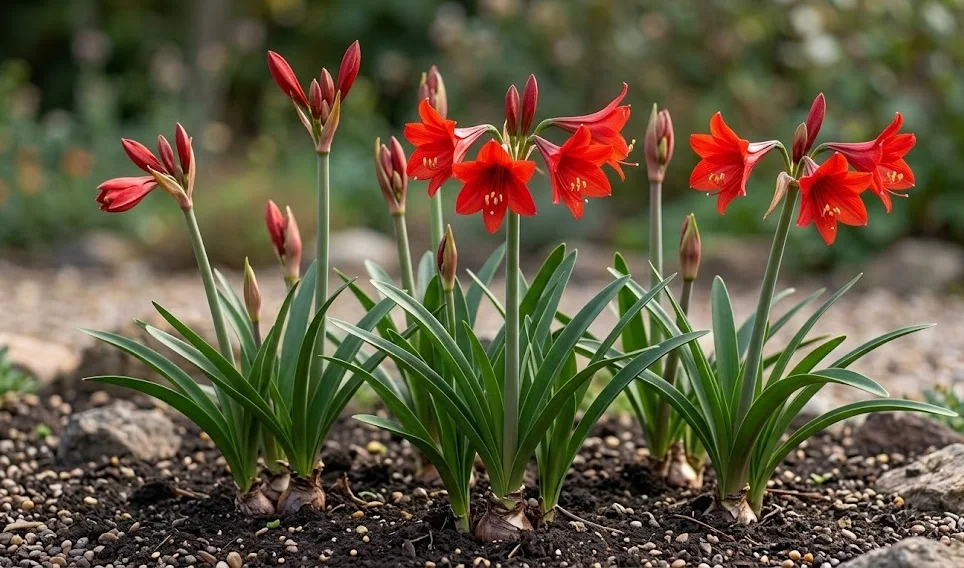
Botrytis, also known as gray mold, can affect the flowers and buds during periods of high humidity and low air movement. It starts as a fuzzy gray growth that can quickly turn the beautiful red blooms into a mushy, brown mess. You must remove any infected flowers and improve the ventilation in your growing area to stop the spread of the spores. Keeping the environment clean and removing spent flowers is the best way to avoid this unsightly and damaging fungus.
Root rot is a much more serious condition that affects the underground parts of the plant and is often fatal if not caught early. It is almost always caused by the soil remaining too wet for an extended period, which allows soil-borne fungi to attack the bulb. If your plant is wilting despite the soil being wet, you should suspect root rot and inspect the bulb immediately. Healthy bulbs should be firm and white, while those with rot will be soft, dark, and often have a foul smell.
To treat early stages of rot, you can remove the plant from its pot and cut away any damaged or decaying tissue with a sterile knife. Dust the remaining healthy bulb with a fungicidal powder and replant it in fresh, dry soil with improved drainage. You must then adjust your watering routine to ensure the soil has time to dry out between applications. Prevention through proper soil selection and watering technique is always more successful than trying to cure a diseased bulb.
Bacterial rot management
Bacterial soft rot is a devastating disease that can liquefy a bulb in a matter of days under the right conditions. It is often characterized by a rapid softening of the tissue and a distinct, unpleasant odor that is hard to miss. Bacteria usually enter the plant through wounds caused by physical damage or pests like bulb mites or flies. Once established, bacterial rot is very difficult to treat, and the infected plant often needs to be destroyed to protect the rest of your collection.
More articles on this topic
You can minimize the risk of bacterial infections by handling your bulbs with care and using sterilized tools for pruning or propagation. Always allow cut surfaces to dry and callus over before planting them back into the soil or a potting medium. This creates a natural barrier that prevents bacteria from entering the soft internal tissues of the bulb. Maintaining a clean growing area, free from rotting organic debris, also reduces the population of harmful bacteria in the environment.
If you suspect a bacterial infection, you must isolate the plant immediately to prevent cross-contamination through watering or shared tools. Do not compost infected plant material, as the bacteria can survive the composting process and return to your garden later. Disinfect your pots and any tools that came into contact with the diseased lily using a strong bleach solution. Professional management of bacterial diseases requires a strict adherence to hygiene and sanitation protocols at all times.
Soil pH and temperature also play a role in the prevalence of certain bacterial pathogens in the garden or greenhouse. Keeping the soil within the slightly acidic range and avoiding excessive heat can help keep the bacterial populations in check. Monitoring your plants daily allows you to catch the very first signs of trouble, which is crucial for managing these fast-moving diseases. A disciplined approach to plant health is the only way to safeguard a valuable collection of rare lilies.
Aphids and scale insects
Aphids are small, soft-bodied insects that often cluster on the new growth and the underside of the leaves. They suck the sap from the plant, which can cause the leaves to curl, distort, and lose their vibrant green color. Aphids also produce a sticky substance called honeydew, which can attract ants and lead to the growth of black sooty mold. You can often control small numbers of aphids by simply washing them off with a strong stream of water from a hose.
Scale insects are more difficult to spot because they hide under hard, protective shells that look like small bumps on the stems or leaves. They function similarly to aphids but are more stationary and can be very persistent once they establish a colony. You can remove individual scales with a cotton swab dipped in rubbing alcohol or use a soft brush to scrub them off gently. For larger infestations, horticultural oils or insecticidal soaps are effective at suffocating the insects without harming the plant.
Both aphids and scale can be vectors for viral diseases, making their control a priority for any serious gardener. You should regularly check the newest leaves, as these are the most attractive parts of the plant for these sap-sucking pests. If you notice an increase in ant activity around your plants, it is often a sign that aphids or scale are present and producing honeydew. Taking swift action will prevent the pests from weakening the plant and ruining its aesthetic appearance.
Biological controls, such as introducing ladybugs or lacewings into the garden, can provide a natural and sustainable way to manage these pests. These beneficial insects prey on aphids and help keep their populations at a level that does not cause significant damage. Maintaining a diverse garden ecosystem encourages these natural predators to take up residence and work on your behalf. Using chemical pesticides should be a last resort, as they can also harm the very insects that help protect your plants.
Red spider mites
Red spider mites are tiny, almost invisible pests that thrive in hot, dry conditions and can cause significant damage to the foliage. They feed by piercing the plant cells, resulting in a fine stippling or mottling on the surface of the leaves. In severe cases, you might see delicate webbing between the leaves and stems, which indicates a very high population of mites. If left untreated, the leaves will eventually turn yellow or bronze and fall off, severely impacting the plant’s health.
The best way to prevent spider mites is to maintain a higher level of humidity around your plants during the summer months. Misting the leaves regularly or using a pebble tray can create an environment that is less hospitable to these pests. If you discover an infestation, you should isolate the plant immediately and wash it thoroughly to remove as many mites as possible. Ensuring that the plant is well-watered and not under drought stress will also help it resist mite damage.
Horticultural oils and predatory mites are effective professional treatments for controlling red spider mites without the use of harsh chemicals. These products work by physical contact or by providing a natural enemy to the mites that will hunt them down. You must ensure thorough coverage of the plant, especially the undersides of the leaves where the mites prefer to hide and breed. Multiple treatments may be necessary to break the life cycle of the mites and achieve full control.
Regularly inspecting your lilies with a magnifying glass can help you spot the very first signs of mite activity. Early detection is especially important because mites reproduce incredibly quickly when the temperatures are high. By the time you see the webbing, the population is already at a level that can cause lasting harm to the plant. A professional gardener knows that constant observation is the most effective tool in any pest management strategy.