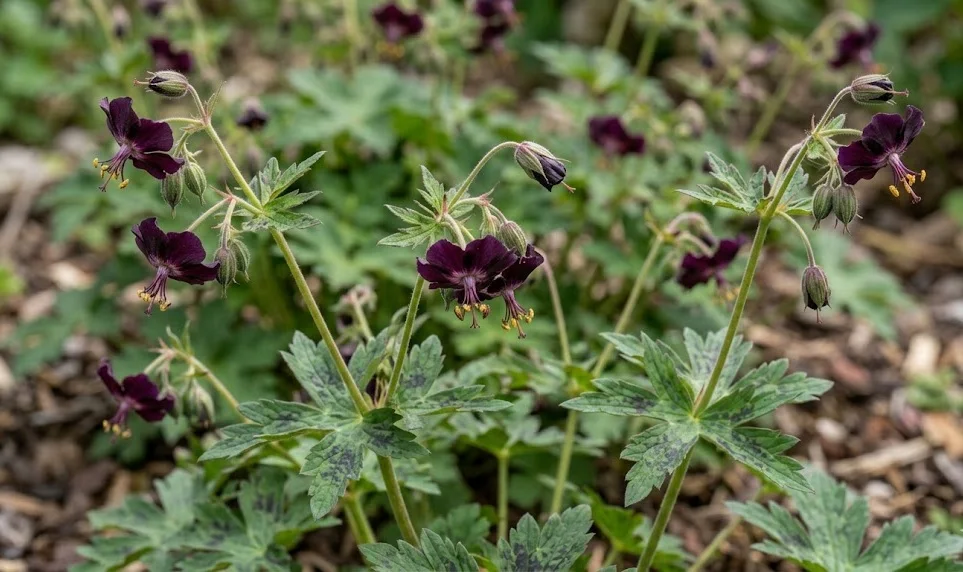

Maintaining a healthy garden environment is the most effective way to protect the dusky crane’s-bill from the various ailments and intruders that can occasionally threaten its beauty. While this perennial is known for being relatively trouble-free, it is not entirely immune to the pressures of the natural world, especially when grown in less-than-ideal conditions. Understanding the common signs of distress and knowing how to intervene early can make the difference between a minor issue and a significant loss. A proactive approach to plant health focuses on prevention, careful observation, and the use of environmentally friendly solutions whenever possible.
The first line of defense against any garden problem is to ensure that the plant is growing in a site that meets all its cultural requirements. A plant that is stressed by too much sun, poor drainage, or a lack of nutrients is much more likely to fall victim to opportunistic diseases and pests. By keeping your crane’s-bill vigorous and well-cared for, you provide it with the natural strength it needs to resist most common issues on its own. Regular inspections of the foliage, stems, and the surrounding soil will help you catch any potential problems before they have a chance to spread.
Diseases in this species are often related to moisture levels and air circulation, particularly during periods of high humidity or excessive rainfall. Fungal issues like powdery mildew or rust can occasionally appear, leaving unsightly marks on the leaves and potentially weakening the plant over time. Pests, while less common, can include various leaf-eating insects or soil-dwelling creatures that might target the roots or tender new growth. Knowing exactly what to look for allows you to identify the specific cause of any damage and choose the most appropriate and targeted remedy.
Integrated Pest Management (IPM) is a philosophy that many modern gardeners use to keep their landscapes healthy without relying heavily on harsh chemicals. This approach involves a combination of cultural practices, physical barriers, and the encouragement of natural predators like ladybugs and birds. By viewing your garden as a complete ecosystem, you can manage pests and diseases in a way that is safe for the environment and the people who enjoy the space. The following sections will detail the specific challenges you might face and the best ways to overcome them with professional results.
Managing fungal and bacterial diseases
Powdery mildew is perhaps the most recognizable disease that can affect the foliage of the dusky crane’s-bill, appearing as a white, dusty coating on the leaf surfaces. This fungal issue usually thrives in warm, humid weather when there is poor air circulation around the plants. While it rarely kills the plant, it can make the leaves look unattractive and reduce the overall vigor of the specimen if left unchecked. To prevent it, ensure your plants are spaced correctly and avoid watering the leaves directly, as moisture sitting on the foliage provides the perfect environment for spores to germinate.
More articles on this topic
Rust is another fungal problem that manifests as small, orange or brown pustules on the undersides of the leaves, often accompanied by yellow spots on the upper surface. This disease can spread rapidly in wet conditions, so it is important to remove and destroy any infected foliage as soon as you notice it. Improving the drainage in the area and thinning out surrounding vegetation can help keep the air moving and the leaves dry. If the problem persists, a simple spray made from baking soda and water can sometimes help control the spread without damaging the plant or the soil.
Root rot and various bacterial wilts are much more serious issues that are usually caused by excessively wet soil and poor drainage. If a plant suddenly wilts even when the soil is moist, or if the base of the stems begins to turn black and mushy, these underground pathogens may be to blame. Unfortunately, once these diseases have taken hold, there is often very little that can be done to save the individual plant. The best course of action is to remove the affected specimen and the surrounding soil to prevent the disease from spreading to healthy neighbors, then improve the site’s drainage before replanting.
Leaf spot diseases can also occur, causing circular brown or black markings that can eventually merge and cause the entire leaf to die and fall off. These are typically caused by fungi or bacteria that are splashed onto the lower leaves by rain or irrigation water. Keeping the area under the plants clear of old debris and applying a fresh layer of mulch can help create a barrier against these soil-borne spores. By maintaining a clean and well-ventilated garden, you significantly reduce the risk of these common diseases ever becoming a major problem in your landscape.
Identifying and controlling common pests
Slugs and snails are often the primary culprits when it comes to physical damage on the leaves, especially during damp spring nights when new growth is tender. They leave behind telltale ragged holes and shiny slime trails, which can be quite frustrating for any gardener who takes pride in their plant’s appearance. You can manage these pests by creating physical barriers like crushed eggshells or copper tape around the base of the plants. Encouraging natural predators like frogs, toads, and ground beetles is also a highly effective and sustainable way to keep the slug population under control.
More articles on this topic
Aphids are small, soft-bodied insects that congregate on the undersides of leaves and on new flower buds to suck the sap from the plant. A heavy infestation can cause the leaves to curl and become distorted, and they often leave behind a sticky substance called honeydew that can attract black sooty mold. Fortunately, aphids are easily controlled by a strong blast of water from a garden hose or by using a mild insecticidal soap. Many beneficial insects, such as lacewings and hoverflies, are naturally attracted to gardens with aphids and will quickly do the work of pest control for you.
Vine weevil larvae are a less visible but potentially more destructive pest that feeds on the roots of the plant beneath the soil surface. You might notice the adults by the characteristic C-shaped notches they chew into the edges of the leaves, but the real danger lies underground. If a previously healthy plant suddenly collapses and dies, it is worth checking the roots for the small, creamy-white grubs with brown heads. Using biological controls like parasitic nematodes is the most effective and eco-friendly way to target these pests without harming other garden wildlife.
Occasional visits from caterpillars or leaf miners may also result in some cosmetic damage, but these are rarely a serious threat to the overall health of the plant. If the damage is minimal, it is often best to simply tolerate it as part of a natural, living garden ecosystem. For those who prefer a more perfect look, manually removing the pests or using a targeted organic spray can help keep the population in check. Remember that a diverse garden with plenty of different plant species is naturally more resilient to any single pest outbreak.
Preventative measures for a healthy garden
The most effective way to deal with diseases and pests is to prevent them from ever getting a foothold in the first place. This starts with choosing healthy, disease-free plants from a reputable nursery and carefully inspecting them before bringing them into your garden. Quarantining new additions for a few weeks can also help ensure you aren’t accidentally introducing any unwanted hitchhikers to your existing borders. Once planted, providing the correct amount of water, light, and nutrients keeps the plants’ natural defenses at their peak.
Good garden hygiene is another critical component of a successful prevention strategy for any long-term planting. Regularly removing dead or dying foliage, spent flowers, and fallen leaves reduces the amount of organic material available for pests and diseases to hide in. This is particularly important at the end of the growing season, as many pathogens can overwinter in the leaf litter and re-infect your plants in the spring. Cleaning your gardening tools with a mild disinfectant between uses also prevents the accidental spread of bacteria and fungi from one area of the garden to another.
Crop rotation is a concept usually associated with vegetables, but the same principle can be applied to perennials in a decorative border. If a particular spot in your garden has had a history of soil-borne diseases, it is wise to avoid planting similar species there for a few years. Diversifying your planting schemes with a wide variety of different families and types of plants can also prevent pests from building up large populations. A balanced garden is a stable garden, where the natural competition between species helps keep everything in its proper place.
Finally, don’t underestimate the importance of air circulation and spacing when planning your garden layout. Plants that are crowded together create a stagnant environment where humidity stays high and diseases can easily jump from one plant to another. Following the recommended spacing for the dusky crane’s-bill allows each plant to receive plenty of light and air, keeping the foliage dry and healthy. By taking these simple preventative steps, you create a robust and beautiful garden that requires much less intervention and chemical support to stay looking its best.
Responding to a health crisis in the border
Even with the best care, there may come a time when you face a significant health issue that requires a more direct and urgent response. The first step is always a correct diagnosis, as treating a fungal problem with an insecticide will do more harm than good. Use a good gardening book or a reliable online resource to identify the specific symptoms you are seeing, and don’t be afraid to ask for advice from a local professional. Once you know what you are dealing with, you can choose the most effective and least invasive treatment option available.
When applying any kind of treatment, whether it’s a homemade organic spray or a commercial product, always follow the instructions to the letter. More is not always better, and using too much of even a “natural” product can stress the plant or harm beneficial insects. Apply treatments in the early morning or late evening to avoid the heat of the sun, which can cause the product to burn the leaves. It is also a good idea to test the treatment on a small, inconspicuous area of the plant first to make sure there are no adverse reactions.
If a plant is severely infected or infested and is not responding to treatment, the most responsible action may be to remove it entirely to protect the rest of your collection. This can be a difficult decision for any gardener, but it is often the best way to stop a problem in its tracks. Be sure to bag the infected material and dispose of it in your household waste rather than your compost pile, where the pathogens might survive and spread. After removal, keep a close watch on the neighboring plants and consider treating the soil to kill any remaining spores or larvae.
Recovery after a health issue requires a gentle approach, as the plant will be in a weakened state and need time to rebuild its reserves. Provide extra water during dry spells and avoid any heavy pruning or fertilization until the plant shows clear signs of vigorous new growth. With time and patience, most perennials are capable of making a full recovery and returning to their former glory. This experience will also provide you with valuable knowledge that will make you a more observant and skilled gardener in the future.