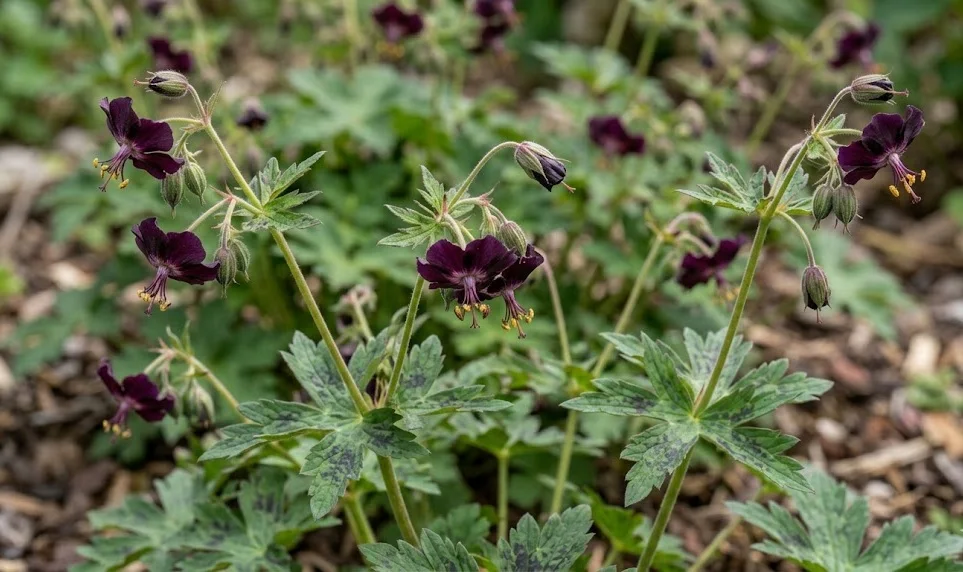

The dusky crane’s-bill is a remarkable perennial that brings a unique sense of mystery and elegance to any garden setting with its deep maroon flowers. This plant is highly valued by experienced gardeners for its ability to thrive in shaded areas where many other ornamental species might struggle to survive. Its distinctive foliage remains attractive throughout the growing season, providing a lush green backdrop for its delicate and nodding blossoms. Cultivating this species requires a nuanced understanding of its natural habitat to ensure it reaches its full aesthetic potential in a domestic landscape.
Managing the soil conditions is perhaps the most fundamental aspect of ensuring this perennial maintains its vigor year after year. While it is known for being adaptable, it performs best in soil that is consistently moist yet well-drained and rich in organic matter. Many growers find that incorporating compost into the planting area significantly improves the overall health and flower production of the specimen. It is also important to monitor the soil acidity, as a neutral to slightly alkaline environment typically yields the most impressive results.
The placement within the garden layout determines how well the plant integrates with its neighbors and how much maintenance it will eventually require. Because it has a clumping habit, it serves as an excellent ground cover when planted in groups, effectively suppressing weeds once established. You should consider its mature height and spread to avoid overcrowding, which can lead to poor air circulation and potential fungal issues. Designing a space that mimics a woodland edge will provide the ideal microclimate for this specific variety to flourish naturally.
Observation is the key to successful long-term care, as the plant often signals its needs through the condition of its leaves and stems. If the foliage begins to wilt despite regular moisture, it might be an indication that the roots are experiencing stress or the drainage is insufficient. Conversely, a lack of flowering usually suggests that the plant has become too shaded or that the nutrient levels in the soil have been depleted over time. By staying attentive to these subtle shifts, any gardener can maintain a stunning display of this understated yet captivating garden favorite.
Creating the ideal environment
The primary goal for any enthusiast is to replicate the cool and damp conditions found in the native woodland haunts of this species. Selecting a site that offers dappled shade or protection from the intense midday sun is crucial for preventing the delicate leaves from scorching. While it can tolerate a bit more sunlight than other geraniums, the soil must never be allowed to dry out completely in such exposed positions. Providing a thick layer of mulch around the base of the plant helps retain moisture and keeps the root system cool during the height of summer.
More articles on this topic
Soil structure plays a pivotal role in the development of a robust root system which is the foundation of the plant’s longevity. Loamy soils that contain a good balance of sand, silt, and clay are generally preferred because they allow for both aeration and water retention. If your garden has heavy clay soil, you may need to amend it with grit or organic material to prevent waterlogging during the rainy seasons. Regular testing of the soil can help you identify if any specific minerals are lacking, allowing for targeted improvements that benefit the entire ecosystem.
Companion planting is an art form that can elevate the presence of the dusky crane’s-bill while providing it with beneficial neighbors. It pairs beautifully with ferns, hostas, and bleeding hearts, all of which share similar cultural requirements and aesthetic qualities. These combinations create a layered look that adds depth and texture to the shaded corners of a property, making them feel more cohesive. Additionally, the presence of diverse plant life can attract beneficial insects that help maintain a natural balance and reduce the need for chemical interventions.
Seasonal adjustments are necessary to account for the changing needs of the plant as it moves through its annual growth cycle. In the early spring, cleaning away the old foliage from the previous year allows fresh new growth to emerge without obstruction. During periods of active growth, you might find that adding a light dressing of organic fertilizer provides the necessary boost for a prolonged flowering period. As autumn approaches, the plant begins to wind down, requiring less intervention as it prepares for its period of dormancy in the colder months.
Maintenance routines for longevity
Consistency in maintenance is the secret behind those garden displays that look effortless yet remain stunning for decades. Removing faded flowers, a process known as deadheading, is not strictly necessary for the plant’s health but it does encourage a tidier appearance. Some gardeners choose to cut the entire plant back to the ground after the first flush of blooms has finished in early summer. This technique often stimulates a fresh crop of leaves and sometimes even a second, smaller round of flowers later in the season.
More articles on this topic
Monitoring the spread of the clumps is vital to prevent the plant from becoming overly aggressive or thinning out in the center. Every few years, it is beneficial to lift and divide the plant to rejuvenate its growth and maintain its shape within the border. This process is best performed in the spring or autumn when the weather is mild and the plant is not under heat stress. Dividing also provides an excellent opportunity to expand your collection or share starts with fellow gardening enthusiasts in your local community.
Weed management around the base of the plant is simplified by its dense foliage, but it still requires some attention in the early stages of the season. Once the crane’s-bill has filled in, it acts as a living mulch, but until then, manual weeding is the safest way to protect the root zone. Avoid using heavy machinery or harsh herbicides near the plant, as its shallow roots can be easily damaged by physical disturbance or chemical runoff. A light hand and regular inspections will keep the area clean and allow the perennial to dominate its assigned space.
The health of the foliage is a direct reflection of the plant’s internal state and the quality of its surrounding environment. Yellowing leaves can sometimes be a sign of overwatering or a lack of nitrogen, requiring a quick assessment of your irrigation and feeding schedule. If you notice any spots or unusual textures, it is wise to remove the affected parts immediately to prevent any potential spread of pathogens. Maintaining a clean garden floor by removing fallen debris also goes a long way in preventing the buildup of pests that could compromise the plant’s vigor.
Seasonal transitions and expectations
Spring is a time of rapid transformation for the dusky crane’s-bill as it wakes from its winter slumber with impressive speed. You will see small, fuzzy green buds emerging from the crown of the plant as soon as the soil begins to warm up. This is the perfect time to apply a slow-release fertilizer that will support the upcoming surge of energy required for leaf production. Ensuring that the plant has adequate moisture during this phase is essential, as the young tissues are particularly sensitive to dehydration.
Summer brings the peak of the flowering season, where the dark, almost black petals create a striking contrast against the green leaves. Depending on your local climate, this period can last several weeks, providing a reliable source of nectar for various pollinators. During heatwaves, it is common for the plant to look a bit tired, so providing extra shade or water can help it maintain its appearance. If the plant is allowed to go to seed, you may find small seedlings popping up nearby in subsequent years, which can be either a blessing or a nuisance.
Autumn is a period of gradual decline where the plant focuses on storing energy in its roots for the following year. The foliage may take on subtle hues of bronze or purple before eventually turning yellow and withering as the temperatures drop. There is no need to rush into cutting the plant back during this time, as the old leaves can provide some protection for the crown. Many people choose to leave the stems standing through the winter to provide a bit of structural interest and habitat for beneficial garden wildlife.
Winter care for this species is relatively straightforward because it is incredibly hardy and accustomed to cold climates. In regions with very harsh winters, a light covering of fallen leaves or straw can offer an extra layer of insulation against extreme frost. The most important thing is to ensure the soil does not become waterlogged and freeze, as this can lead to root rot even in dormant plants. Once the ground is frozen, the plant requires no further attention until the first signs of life appear again in the spring.
Optimizing flower production
To achieve a truly spectacular floral display, one must pay close attention to the balance of light and nutrients available to the plant. While it is famous for its shade tolerance, a small amount of morning sun can actually enhance the intensity of the flower color. Too much shade can result in leggy growth and fewer blossoms, so finding that perfect middle ground is an ongoing process of trial and error. Experimenting with different spots in the garden can help you identify where the plant feels most “at home” and productive.
The timing of nutrient application can significantly influence how many flower spikes the plant produces during its peak. Avoid using fertilizers that are too high in nitrogen, as this often encourages excessive leaf growth at the expense of the blossoms. Instead, look for a balanced formula or one with a slightly higher phosphorus content to support the development of flower buds. Applying these nutrients just as the first signs of growth appear in spring gives the plant the best start for a successful season.
Watering techniques also play a role in the longevity and quality of the flowers during the warmer months of the year. It is always better to water deeply and less frequently rather than providing shallow daily sprinkles that only reach the surface. Deep watering encourages the roots to grow further into the soil, making the plant more resilient to temporary droughts. Aim the water at the base of the plant to keep the foliage dry, which reduces the risk of leaf diseases that could detract from the flowers.
Finally, the age of the plant affects its flowering capacity, with older clumps often becoming less productive over time. If you notice that a previously prolific specimen is starting to produce fewer flowers, it may be a sign that it needs to be rejuvenated. Division is the most effective way to restore vigor, as the younger sections of the rootstock are much more energetic. By keeping your plants young and healthy through regular maintenance, you ensure a reliable and beautiful show every single year.
Integrating the plant into garden design
The dusky crane’s-bill offers a unique color palette that can be used to create sophisticated and moody garden themes. Its dark flowers are perfect for “moon gardens” or for providing a dark accent that makes lighter-colored plants pop in comparison. Because of its reliable foliage, it can be used to anchor a flower bed, providing structure even when it is not in bloom. Designers often use it along pathways where its intricate flower details can be appreciated up close by anyone walking past.
Consider the height of the plant when choosing its position in a mixed border to ensure it isn’t hidden by taller neighbors. Since it usually grows to a medium height, it fits perfectly in the middle of a bed or as a backdrop for lower-growing perennials. Its somewhat informal habit makes it ideal for cottage gardens or woodland-style plantings where a natural, slightly wild look is desired. The way the flowers dangle from their stems adds a sense of movement to the garden, especially when there is a light breeze.
Texture is another important factor to keep in mind when planning your garden layout with this versatile species. The lobed leaves have a slightly soft, almost velvety texture that contrasts beautifully with the glossy leaves of evergreens or the sharp needles of conifers. By mixing different leaf shapes and textures, you can create a visually interesting space that remains attractive even outside the main flowering season. This plant is a workhorse in the garden, providing consistent value throughout the spring, summer, and autumn months.
For those with limited space, this geranium variety can also be grown successfully in large containers or raised beds. This allows you to control the soil quality and moisture levels more precisely, which can lead to very healthy and vigorous specimens. When grown in pots, it can be moved around to fill gaps in the garden or to decorate a shaded patio or balcony area. Just remember that container-grown plants dry out much faster and may require more frequent watering and feeding than those in the ground.
Advanced tips for enthusiasts
Collectors often seek out specific cultivars of the dusky crane’s-bill that offer variations in flower color or leaf patterns. Some varieties feature variegated foliage with splashes of cream or white, which can brighten up a dark corner even more effectively. Others may have flowers that are a lighter lavender or even a pure, snowy white, allowing for a broader range of design possibilities. Learning about these different versions can add a new layer of interest to your gardening hobby and allow for a more personalized collection.
Understanding the reproductive cycle of the plant can also lead to a more rewarding experience as you learn to manage its spread. The seeds are held in a unique structure that flings them away from the parent plant when they are ripe, a fascinating natural mechanism. If you want to prevent self-seeding, you must be diligent about cutting back the flower stems before the seed pods have a chance to dry and open. On the other hand, allowing some seeds to fall can lead to pleasant surprises and new plants in unexpected places.
Soil microbiology is a topic that many advanced gardeners are beginning to explore to improve the health of their perennials. Encouraging a diverse community of fungi and bacteria in the soil can help the plant absorb nutrients more efficiently and resist diseases. Avoiding synthetic pesticides and using organic mulches are simple ways to support these beneficial organisms in your own backyard. A healthy soil ecosystem is the best long-term investment you can make for the beauty and stability of your garden landscape.
Lastly, don’t be afraid to experiment with different pruning and maintenance schedules to see how your specific plants respond. Every garden has its own unique set of conditions, and what works for one person might not be the best approach for another. Keeping a simple garden journal to record when you watered, fertilized, or cut back your plants can provide valuable insights over the years. This reflective approach to gardening turns a simple chore into a rewarding journey of discovery and mastery over the natural world.