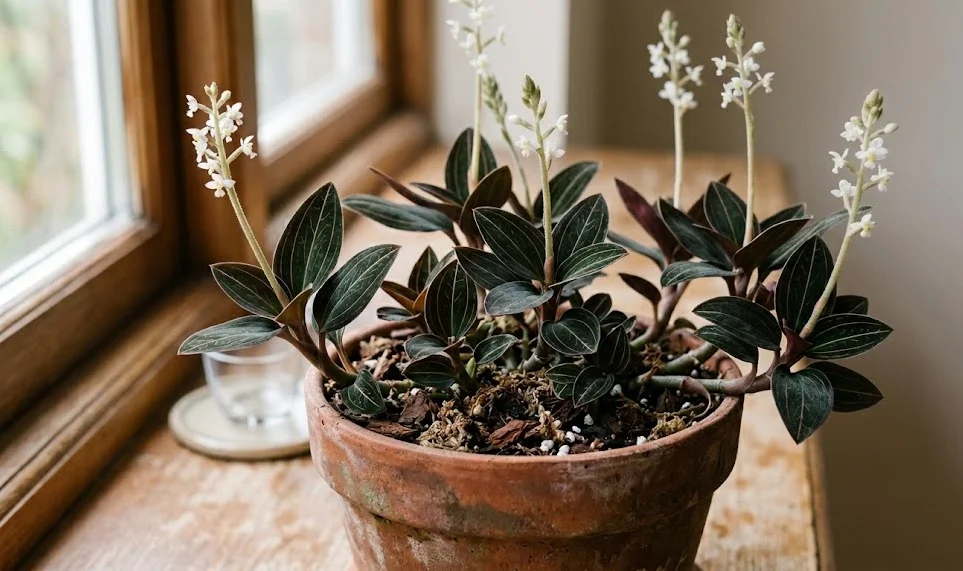

The black jewel orchid, with its soft and fleshy tissues, can unfortunately be a target for several common houseplant pests and diseases. Because it thrives in the same warm and humid conditions that many pathogens love, constant vigilance is required to keep it healthy. Its dark, velvety leaves can also make it difficult to spot certain pests until a significant colony has already established itself. Developing a routine for inspecting the undersides of leaves and the crevices of the stems will help you catch issues in their earliest stages.
When a plant is stressed by improper watering or poor light, its natural defenses are weakened, making it even more susceptible to attack. Healthy plants are generally more resilient, so the best defense against pests and disease is providing optimal care from the start. However, even the most experienced growers will eventually encounter a problem, often introduced by a new plant or a change in the environment. Knowing how to identify the symptoms of common ailments is the first step toward a successful recovery.
Treatment for this orchid must be approached with caution because the velvet-like foliage can be sensitive to many traditional oils and soaps. Harsh chemicals can sometimes cause more damage to the delicate leaf surface than the pests themselves, leading to unsightly scarring. Always test any new treatment on a single leaf or a small area before applying it to the entire plant to ensure there is no adverse reaction. This careful approach protects the aesthetic value of the plant while addressing the underlying health concern.
Isolation is a critical part of the management process once you have identified a pest or disease on your orchid. Moving the affected plant away from the rest of your collection prevents the issue from spreading and becoming a larger epidemic. During this quarantine period, continue to provide the best possible care while monitoring the effectiveness of your chosen treatment. Only return the orchid to its usual spot once you are absolutely certain that all signs of the problem have been eradicated.
Managing common sap-sucking pests
Mealybugs are one of the most frequent visitors to jewel orchids, often hiding in the tight spaces where the leaves meet the stems. These small, white, cottony insects suck the sap from the plant, causing distorted growth and a general decline in vigor. If you see white clusters or a sticky residue known as honeydew on your plant, it is almost certainly a sign of a mealybug infestation. You can remove individual bugs using a cotton swab dipped in rubbing alcohol, which kills them on contact.
More articles on this topic
Spider mites are another common threat, particularly in environments where the humidity has dropped too low for the orchid’s liking. These microscopic pests are hard to see with the naked eye, but their presence is signaled by fine webbing on the undersides of leaves and a stippled, pale appearance to the foliage. Increasing the humidity and giving the plant a gentle wash with lukewarm water can help dislodge the mites and discourage them from returning. In more severe cases, a specialized miticide that is safe for sensitive orchids may be necessary.
Scale insects can also appear, looking like small, hard bumps on the stems or the midribs of the leaves. These pests are well-protected by their waxy shells, making them resistant to many topical sprays and requiring a more hands-on approach. Like mealybugs, they can often be scraped off gently or treated with alcohol-soaked swabs to break through their protective layer. Regular cleaning of the leaves with a soft cloth can help prevent these pests from gaining a foothold in the first place.
Aphids occasionally target the soft new growth or the developing flower spikes during the winter blooming season. These small, green or black insects can multiply rapidly, causing the new leaves to emerge twisted or stunted. A gentle spray of water can often knock them off the plant, but you must be careful not to waterlog the crown in the process. For persistent infestations, an insecticidal soap can be used, but remember to rinse the leaves afterward to prevent any residue from damaging the velvet texture.
Combatting fungal issues and leaf spots
Fungal diseases are a constant threat in the high-humidity environments that jewel orchids require to thrive. One of the most common issues is leaf spot, which appears as brown or black circular lesions on the foliage, often surrounded by a yellow halo. This is typically caused by water sitting on the leaves for too long, especially during cool nights when evaporation is slow. To prevent the spread of fungus, remove the most heavily affected leaves and improve the air circulation around the plant immediately.
More articles on this topic
Botrytis, or gray mold, can sometimes affect the delicate flowers and flower spikes if the air is too stagnant and moist. This fungus presents as a fuzzy gray growth that can quickly cause the blooms to collapse and rot. If you notice any signs of mold, cut away the infected parts with sterilized tools and reduce the humidity slightly until the issue is under control. Keeping the foliage dry when watering is the best way to ensure this particular fungus does not become a recurring problem.
Fusarium wilt is a more serious fungal condition that attacks the vascular system of the plant, causing the stems to become soft and discolored. This disease often enters through wounds in the rhizomes or roots, highlighting the importance of using clean tools during repotting and division. Unfortunately, once fusarium has deeply infected a plant, it is very difficult to treat, and the best course of action is often to discard the plant to protect the rest of your collection. Prevention through good hygiene and proper substrate drainage remains the most effective strategy.
Using a preventative fungicide can be helpful if you live in an area where fungal issues are prevalent due to the climate. Organic options like neem oil can be effective, but again, be extremely careful with the velvet leaves, as oil can sometimes cause discoloration. Some growers swear by using a cinnamon paste on any cuts or damaged areas to provide a natural antifungal barrier. Always prioritize cultural controls—like proper spacing and air movement—over chemical interventions for long-term health.
Addressing bacterial rot and crown issues
Bacterial rot is perhaps the most devastating problem a jewel orchid owner can face, as it can turn a healthy plant into a mushy mess in just a few days. The infection usually starts at the crown or the base of the stems, often appearing as a water-soaked, translucent patch that quickly spreads. This is almost always the result of overwatering or allowing water to pool in the center of the plant. If you catch it very early, you may be able to save the plant by cutting away all the infected tissue and treating the area with an antibiotic or cinnamon.
The smell is often a giveaway for bacterial infections, as they frequently produce a foul, decaying odor that is quite distinct from fungal issues. If you notice this smell coming from your plant, it is vital to act immediately to prevent the total loss of the specimen. Sterilize your cutting tools between every single snip to avoid spreading the bacteria to healthy parts of the rhizome. In many cases, it is safer to take a clean cutting from the healthy tip of a stem and start a new plant rather than trying to save a rotting base.
Preventing bacterial rot is largely a matter of careful watering and ensuring the potting medium is not compacted or overly old. Fresh substrate provides better aeration, which discourages the anaerobic conditions that many harmful bacteria prefer. Additionally, avoiding deep pots that stay wet at the bottom for weeks will keep the root zone much healthier. Remember that while these orchids like moisture, they are not aquatic plants and their tissues need to breathe.
If you have a recurring problem with rot, reconsider the placement of your plant and whether it is receiving enough warmth and light. Plants in darker, cooler corners are much more likely to suffer from bacterial issues because they cannot process water efficiently. Moving the orchid to a slightly brighter and warmer spot can often boost its metabolism and help it resist infection. Constant observation and a quick response to any soft spots will save many plants from a watery grave.
Environmental stress and non-pathogenic problems
Not every spot or yellow leaf on your black jewel orchid is caused by a living pest or a disease-causing pathogen. Abiotic factors, such as light intensity, temperature extremes, and chemical imbalances, can cause symptoms that mimic biological issues. For example, sudden yellowing of leaves can be a reaction to a cold draft from a nearby window rather than a root rot problem. Learning to distinguish between environmental stress and actual disease will save you from applying unnecessary and potentially harmful treatments.
Edema is a condition where the plant takes up more water than it can use or transpire, causing the cells to burst and form small, corky bumps on the leaves. This is often mistaken for scale insects or a fungal infection, but it is actually a physiological response to high humidity and wet soil. Correcting your watering habits and increasing the air circulation will usually prevent new leaves from developing these unsightly bumps. While the existing damage won’t go away, the plant’s overall health will improve once the environment is balanced.
Sunburn is another common issue that can be mistaken for a disease, appearing as bleached, tan, or papery patches on the leaves. Because these orchids are adapted to the deep shade of the forest floor, even a short period of direct afternoon sun can destroy the delicate leaf tissues. If you see these patches, move the plant to a more shaded location immediately and do not remove the leaves unless they become infected. The plant will eventually grow new, healthy foliage to replace the damaged parts as long as the light is corrected.
Nutrient burn from over-fertilization can cause the leaf edges to turn brown and the veins to look distorted. This chemical stress is often misidentified as a fungal blight, leading growers to spray fungicides that only add more stress to the plant. If you suspect nutrient burn, the best remedy is to flush the soil with pure water and stop all feeding for several weeks. Understanding the specific needs of your orchid will help you create a stable environment where these physiological issues are minimized.
Preventive measures and organic control
The most effective way to manage pests and diseases is to build a “firewall” around your collection through consistent preventive measures. Always inspect new plants thoroughly before bringing them into your growing area, and consider a mandatory two-week quarantine period. Cleaning your growing space, including the shelves and the exterior of the pots, reduces the number of hiding places for pests and spores. A tidy garden is almost always a healthier garden, regardless of whether it is outdoors or on a windowsill.
Natural predators can be a fantastic way to control pests in a greenhouse or a large indoor collection without the use of chemicals. Ladybugs and lacewings are excellent at devouring aphids and mealybugs, while predatory mites can keep spider mite populations in check. While this might not be practical for a single plant on a desk, it is a highly effective and professional strategy for larger hobbyist setups. Encouraging a balanced ecosystem reduces the need for heavy-handed interventions that can stress your orchids.
Neem oil is a popular organic choice for many growers, but as mentioned before, it must be used with extreme caution on jewel orchids. If you decide to use it, dilute it properly and apply it only during the evening when the plant is not under light stress. The oil acts as both a repellent and a growth disruptor for many common pests while providing some antifungal benefits. Always wipe away any excess oil from the velvety leaves after a few hours to ensure the plant can still breathe properly.
In conclusion, the key to a pest-free and disease-free jewel orchid is a combination of optimal care, regular inspection, and a gentle touch. By understanding the common threats and knowing how to respond quickly, you can protect your investment and enjoy the beauty of your plant for years. Your orchid is a living organism that responds to its environment, so treat it with the respect and attention it deserves. A healthy black jewel orchid is a true masterpiece of the natural world, well worth the effort required to keep it safe.