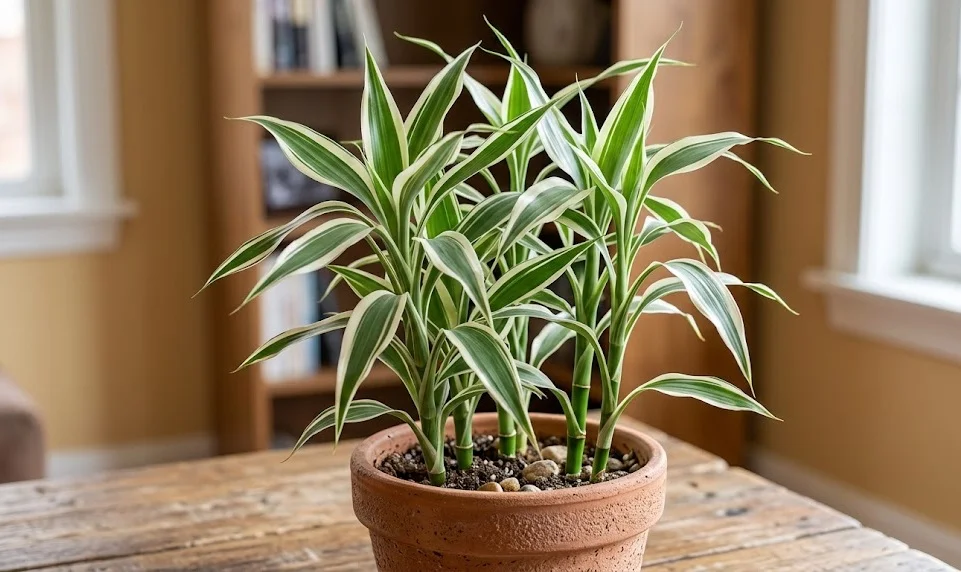

Pruning is an essential maintenance task that allows you to control the shape, size, and overall health of your white-edged dragon tree. While it might seem counterintuitive to cut a plant you have worked so hard to grow, pruning actually stimulates new growth and keeps the plant looking its best. Whether you want to encourage a bushier appearance or manage a plant that has grown too tall, the right techniques are vital. A professional approach to pruning involves understanding the plant’s growth habits and using the correct tools to ensure a clean and healthy recovery.
This species of dragon tree responds very well to being cut back, as it has dormant buds located all along its woody stem. When you remove the top growing point, these buds are activated and will begin to produce new stems and leaves from below the cut. This allows you to transform a lanky or sparse specimen into a full and attractive plant that fits perfectly in your living space. Pruning also gives you the opportunity to remove any damaged or diseased foliage that might be draining the plant’s energy or attracting unwanted pests.
Before you begin pruning, you must have a clear vision of what you want to achieve with your plant’s silhouette. Do you want a single, tall trunk with a lush canopy at the top, or a multi-stemmed plant that fills a wider area? Taking the time to plan your cuts will prevent any accidental mistakes that could take a long time for the plant to outgrow. Professional gardeners often treat pruning as an art form, carefully considering each cut to enhance the natural beauty and structure of the specimen.
In this article, we will guide you through the professional techniques for pruning and cutting back your white-edged dragon tree safely. We will discuss the best tools to use and how to sterilize them to prevent the spread of disease during the process. You will also learn the best times of year to perform major pruning and how to care for your plant as it begins to produce its new growth. With a little confidence and the right knowledge, you can use pruning to create the perfect dragon tree for your indoor garden collection.
Essential tools and preparation for pruning
The most important tool for any pruning job is a pair of sharp, high-quality bypass pruners or a very sharp gardening knife. Using dull tools can crush the plant’s tissues and create jagged wounds that are much slower to heal and more susceptible to infection. You should also ensure that your tools are perfectly clean and sterilized before you make the first cut on your dragon tree. A simple wipe with rubbing alcohol or a solution of bleach and water is enough to kill any lingering pathogens from previous use on other plants.
More articles on this topic
You should also have some clean paper towels or a cloth on hand to wipe away any sap that may leak from the cuts. Dragon trees contain a reddish sap that can be slightly irritating to the skin and may stain your furniture or floors if you are not careful. It is a good idea to lay down some newspaper or a plastic sheet around the base of the plant to catch any drips and make the cleanup process easier. Protecting both your plant and your home is a hallmark of a professional and well-organized gardener during any maintenance task.
Timing is another crucial factor to consider when you are planning to perform major pruning on your indoor plants. The best time to cut back a dragon tree is during the spring or early summer when the plant is entering its most active phase of growth. This ensures that it has plenty of energy and the right environmental conditions to heal the wounds and produce new shoots quickly. While minor maintenance pruning can be done at any time, significant structural changes should be saved for the warmer and brighter months of the year.
Finally, take a moment to inspect the overall health of your plant before you begin the pruning process. A plant that is already stressed by pests, disease, or poor environmental conditions may struggle to recover from the additional shock of being cut back. If your dragon tree is not looking its best, it is better to address the underlying issues and wait for it to regain its strength before you start pruning. Ensuring your plant is in peak condition will lead to the best results and a more rapid emergence of healthy new foliage.
Techniques for shaping and managing height
If your dragon tree has grown too tall and is starting to hit the ceiling or look unstable, you can easily reduce its height by cutting the main stem. Simply choose the height at which you want the new growth to begin and make a clean, horizontal cut across the trunk. You should aim to cut about half an inch above a leaf node or a visible scar where a leaf used to be attached. Within a few weeks, you will see new buds emerging from the sides of the stem just below where you made the cut.
More articles on this topic
To encourage a bushier and more compact look, you can prune several stems at different heights in the same container. This creates a layered effect with foliage at various levels, which is much more visually interesting than a single, lanky trunk. You can also pinch off the very tip of a young, growing stem to encourage it to branch out earlier in its development. This technique is often used by professional growers to produce the full and lush plants that you see in garden centers and nurseries.
Removing damaged or unsightly leaves is another important part of routine pruning that keeps the plant looking tidy and professional. You can simply pull the yellowing or brown leaves downward until they snap off cleanly at the base of the stem. If a leaf is only partially damaged, it is better to remove the entire thing rather than trying to trim away the brown parts, as this looks much cleaner. Regular maintenance pruning prevents the plant from wasting energy on foliage that is no longer contributing to its health or beauty.
After you have finished pruning, you can actually use the healthy stems you removed to grow entirely new plants through propagation. Simply follow the steps for stem cuttings and you will soon have a collection of young dragon trees to share or keep. This makes pruning a doubly rewarding task, as you improve the health of your original plant while expanding your indoor garden at the same time. A professional gardener never wastes healthy plant material and always looks for opportunities to propagate and grow more.
Post-pruning care and encouraging new growth
Once you have completed your pruning, it is important to provide the best possible care to support the plant’s recovery and the development of new shoots. Place the plant in a bright, warm spot where it will receive plenty of indirect sunlight to fuel its metabolic processes. Avoid overwatering during this time, as the plant will have fewer leaves and therefore will not use water as quickly as it did before. Keeping the soil slightly on the drier side will prevent any issues with root rot while the plant is in its sensitive healing phase.
You should also avoid fertilizing the plant immediately after pruning, as the focus should be on healing rather than rapid growth. Wait until you see the first signs of new buds emerging from the stem before you resume a very light and diluted feeding schedule. This ensures that the new growth has the nutrients it needs to develop strong cell walls and vibrant variegation from the very beginning. Monitoring the plant’s progress over the next few weeks will give you a clear indication of how well it is responding to your pruning efforts.
Sometimes, the new shoots may all grow from one side of the stem, which can make the plant look unbalanced as it continues to grow. To prevent this, rotate the pot regularly so that the new growth is exposed to light from all angles, encouraging it to fill out evenly. You can also use soft garden ties or small stakes to gently guide the direction of the new stems as they mature and become more woody. With a little bit of guidance, you can shape your dragon tree into a beautiful and well-balanced living sculpture for your home.
Pruning is a powerful tool that gives you control over your indoor garden and allows you to keep your plants healthy and vibrant for years. Don’t be afraid to make bold cuts when necessary, as the white-edged dragon tree is a resilient species that is built to recover and thrive. By following professional techniques and providing attentive post-pruning care, you will achieve spectacular results that enhance the beauty of your home. Your dragon tree will reward your efforts with fresh, beautiful foliage and a structural elegance that is truly unique.