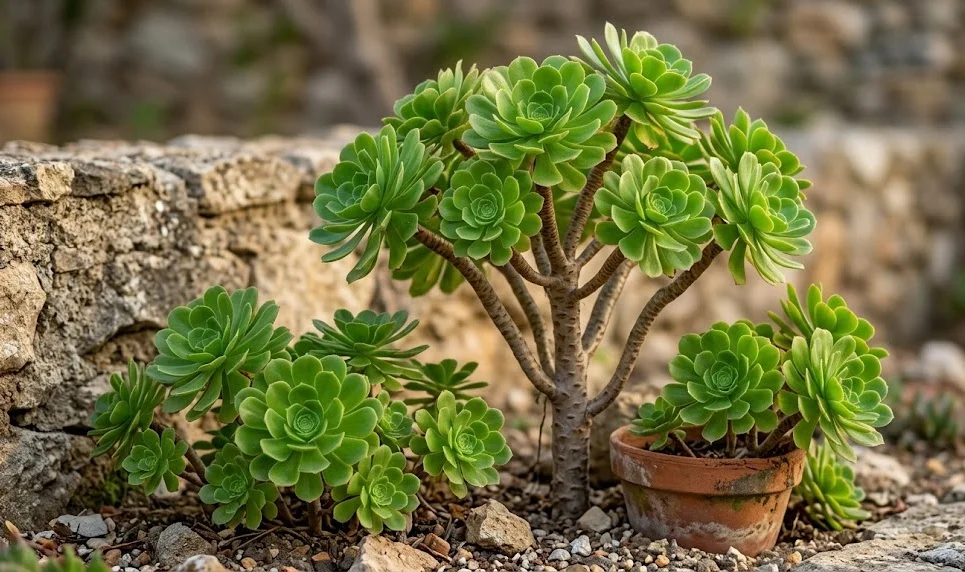

Fungal diseases are a common challenge for tree aeonium growers, especially in environments with high humidity or poor air circulation. One of the most recognizable issues is powdery mildew, which appears as a white, flour-like dusting on the leaves and stems. This fungus thrives in stagnant air and can quickly spread from one plant to another if left untreated. You should immediately improve the ventilation and consider using a mild fungicide if the infection becomes widespread.
Root rot is perhaps the most devastating fungal condition, often caused by the Pythium or Phytophthora species. Because this disease starts underground, it is frequently well-advanced by the time you notice symptoms above the soil line. You might see the plant wilting despite having wet soil, or the base of the stem may become soft and dark. Preventing this requires strict adherence to proper watering techniques and using a substrate that does not compact over time.
Botrytis, or gray mold, can also affect the dense rosettes of the tree aeonium during cool, damp weather. This fungus typically enters through wounded tissue or dying leaves, appearing as a fuzzy gray growth that causes the tissue to collapse. It is crucial to remove any dead foliage promptly to eliminate the primary food source for this opportunistic pathogen. Keeping the rosettes dry when watering will also go a long way in preventing gray mold from taking hold.
Managing fungal issues always starts with cultural controls before moving to chemical treatments. By providing the right light, temperature, and airflow, you create an environment where fungi struggle to survive. If you do need to use a fungicide, choose one that is labeled safe for succulents and follow the instructions precisely. Always test a small area of the plant first to ensure there is no adverse reaction to the treatment before applying it to the whole specimen.
Managing mealybugs and aphids
Pests can be a persistent nuisance, and mealybugs are among the most common enemies of the tree aeonium. These tiny, soft-bodied insects look like small bits of white cotton and tend to hide in the tight crevices of the rosettes. They suck the sap from the plant, which can lead to distorted growth, yellowing leaves, and a general decline in vigor. If you see sticky “honeydew” on the leaves, it is a sure sign that mealybugs or other sap-sucking insects are present.
More articles on this topic
Aphids are another frequent visitor, particularly on the tender new growth and developing flower stalks during the spring. These small, green or black insects can multiply rapidly, causing the leaves to curl and become misshapen. Like mealybugs, they produce honeydew, which can then lead to the growth of unsightly black sooty mold. You can often dislodge small populations of aphids with a strong stream of water from a garden hose.
For more stubborn infestations, you can use a cotton swab dipped in rubbing alcohol to manually remove the pests you can see. This is a very effective method for small collections where you can inspect each plant closely and regularly. For larger outbreaks, insecticidal soaps or neem oil sprays can be used, but you must apply them carefully to avoid burning the leaves. Always treat the plants in the evening or on a cloudy day to prevent the oil or soap from magnifying the sun’s rays.
Consistency is the key to successfully managing any pest problem in your garden or greenhouse. Pests often have complex life cycles, meaning you need to repeat your treatments every few days to catch new hatchlings. Regularly inspecting your plants and maintaining a clean growing area will help you catch these tiny invaders before they cause significant damage. A healthy, well-grown plant is much better equipped to withstand a minor pest attack than a stressed one.
Dealing with root rot issues
Root rot is a critical condition that requires immediate action if you hope to save your tree aeonium. The first step is to carefully remove the plant from its container and gently shake away as much soil as possible. You need to get a clear look at the root system to determine the extent of the damage and see if any healthy tissue remains. Healthy roots should be firm and light-colored, while rotted roots will be black, slimy, and have an unpleasant odor.
More articles on this topic
Use a pair of sharp, sterilized shears to cut away every trace of infected root tissue back to healthy growth. It is better to be aggressive with your pruning than to leave any rot behind, as it will likely continue to spread. After pruning the roots, you should also check the base of the stem for any signs of internal discoloration. If the rot has entered the stem, you must keep cutting upward until you find clear, green vascular tissue that is free of infection.
Once you have removed all the rotted parts, allow the remaining healthy portion of the plant to air-dry for several days. This allows the wounds to callous over and prevents the rot from immediately returning when you replant it. When you are ready to repot, always use a fresh, sterile succulent mix and a clean container to avoid reintroducing the pathogens. Do not reuse the old soil, as it is likely contaminated with the fungi that caused the rot in the first place.
After replanting, be extremely cautious with your watering routine for the next few weeks as the plant regrows its root system. Keep the specimen in a bright spot but away from direct sunlight to reduce the stress of transpiration. It will take time for the plant to recover and resume normal growth, so do not be discouraged if it looks a bit tired for a while. With luck and proper care, your tree aeonium can make a full recovery and live for many more years.
Organic pest control methods
Many gardeners prefer to use organic methods to manage pests and diseases in their succulent collections. Neem oil is a popular choice as it acts as both a natural insecticide and a fungicide, disrupting the life cycles of many common pests. It is derived from the seeds of the neem tree and is generally considered safe for use around humans and pets. However, it can make the leaves more sensitive to sunlight, so always apply it during the cooler parts of the day.
Encouraging beneficial insects in your garden is another fantastic way to keep pest populations in check naturally. Ladybugs, lacewings, and hoverflies are all voracious predators of aphids and mealybugs and can provide excellent long-term control. You can attract these “garden heroes” by planting a variety of flowering herbs and native plants near your succulent collection. Creating a balanced ecosystem reduces the need for any kind of chemical intervention and makes your garden more sustainable.
Diatomaceous earth is a natural powder made from fossilized algae that can be very effective against crawling insects. It works by physically damaging the exoskeleton of the pests, causing them to dehydrate and die without the use of toxins. You can sprinkle a light layer of this powder on the soil surface around the base of your plants to create a barrier. Be sure to use food-grade diatomaceous earth and avoid breathing in the dust during the application process.
Simple household items can also be repurposed for organic pest management in a pinch. A very dilute solution of mild dish soap and water can be used as an effective contact spray for many soft-bodied insects. Homemade garlic or chili sprays can act as deterrents, making the plant less attractive to pests that might otherwise stop for a meal. These methods are often gentler on the environment and can be just as effective as commercial products when used correctly and consistently.
Preventative health measures
The best way to deal with diseases and pests is to prevent them from ever getting a foothold in your collection. You should always quarantine new plants for at least two weeks before introducing them to your existing garden or greenhouse. This gives you time to observe them for any signs of hidden pests or diseases that might have come from the nursery. A little bit of caution at the beginning can save you from a massive headache down the line.
Maintaining proper spacing between your plants is another critical preventative measure that is often overlooked. When plants are crowded together, air cannot circulate properly, creating the stagnant conditions that many pests and fungi love. Spacing your tree aeoniums appropriately allows them to grow to their full potential while keeping the foliage dry and healthy. It also makes it much easier for you to inspect every part of the plant during your regular maintenance sessions.
Keeping your growing area clean and free of debris is a simple but highly effective way to reduce pest pressure. Fallen leaves and spent flowers should be removed promptly, as they provide the perfect breeding ground for many different types of insects. You should also regularly clean your tools and pots to ensure you are not accidentally spreading pathogens from one plant to another. Good garden hygiene is the hallmark of a professional and successful horticultural practice.
Finally, ensuring that your plants are as healthy as possible through proper light, water, and nutrition is the best defense of all. A vigorous, well-grown tree aeonium has its own natural defenses that make it much more resistant to attacks from pests and diseases. Stress is often the primary factor that allows an infection or infestation to take over a plant. By providing the best possible care, you are giving your plants the tools they need to stay healthy and beautiful on their own.