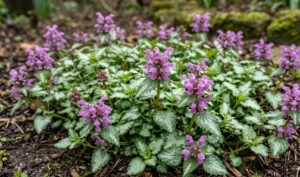
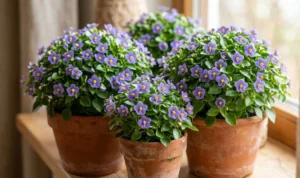
Managing the feltleaf ceanothus requires a thoughtful approach to its natural coastal heritage. You must prioritize an environment that mimics the dry and sunny slopes of its native California islands. This beautiful evergreen shrub offers stunning blue blooms that can transform any garden landscape into a vibrant sanctuary. Understanding its specific needs ensures that your specimen remains healthy and vigorous for many years to come.
Essential habitat requirements
Finding the perfect spot for your shrub is the most critical first step in its long-term care. This plant thrives best when it is placed in a location that receives ample air circulation throughout the day. High humidity or stagnant air can often lead to fungal issues that compromise the health of the foliage. You should observe how the wind moves through your garden before deciding on the final planting site.
The intensity of the sun plays a major role in the overall vitality and flowering potential of the species. It generally prefers full solar exposure to produce the dense clusters of flowers that it is famous for. If you live in an exceptionally hot inland area, some light afternoon shade might prevent the leaves from scorching. Always consider the local microclimate when determining the best position for your new garden addition.
Temperature sensitivity is another factor that you need to keep in mind during the selection process. While this variety is relatively hardy, it does not appreciate extreme fluctuations or prolonged freezing temperatures without some protection. Coastal gardens often provide the most stable environment for its growth due to the moderate sea breezes. You can still succeed in other regions by providing a sheltered southern exposure near a wall.
Space management is often overlooked because the shrub starts as a manageable nursery plant but grows quickly. You should research the mature dimensions of the specific cultivar you have chosen to avoid overcrowding later. Leaving enough room between plants allows each individual to reach its full aesthetic potential without competition. Proper spacing also facilitates better light penetration and reduces the risk of pest infestations.
More articles on this topic
Soil and drainage management
The composition of the ground where you plant your ceanothus determines its survival rate more than any other factor. This species has evolved to grow in rocky or sandy soils that do not retain excess water for long periods. If your garden has heavy clay soil, you must take active steps to improve its structure before planting. Adding grit or organic matter can help create the porous environment that these roots absolutely require.
Drainage is a non-negotiable requirement that you must verify before the first rainy season arrives. Waterlogged roots will quickly succumb to rot, which is often fatal for this sensitive Mediterranean-style shrub. You can test the drainage by digging a hole and filling it with water to see how fast it disappears. If the water lingers for hours, consider building a raised bed or a mound to elevate the plant.
Soil acidity or alkalinity also affects how well the plant absorbs nutrients from the surrounding environment. It typically prefers a neutral to slightly acidic pH level for optimal health and green foliage color. You can use a simple home testing kit to determine the current status of your garden soil. If necessary, you can incorporate sulfur to lower the pH or lime to raise it according to the results.
Compaction is a hidden enemy that can suffocate the root system and prevent proper water infiltration. You should avoid walking directly over the root zone once the plant has been established in its permanent home. Using a layer of mulch can help protect the soil structure while keeping the surface cool during the summer. Maintaining a loose and airy soil texture will encourage the roots to spread wide and deep.
More articles on this topic
Managing seasonal growth
Spring is the most exciting time for any ceanothus owner as the buds begin to swell and burst into color. You will notice a sudden surge in energy as the plant puts out new shoots and prepares for its floral display. This is the ideal time to monitor for any winter damage that might need a light touch of cleaning. Keep a close eye on the weather patterns to ensure the transition into the growing season is smooth.
Summer maintenance focuses primarily on monitoring heat stress and ensuring the plant does not become completely desiccated. While established specimens are very drought-tolerant, younger plants still need a bit of support during their first few years. You should check the moisture levels a few inches below the surface to see if the ground is truly dry. Avoid heavy pruning during the peak heat as this can unnecessarily stress the internal systems of the plant.
Autumn is a period of slowing down where the plant prepares itself for the coming colder months of the year. The growth rate will naturally decrease, and the leaves may take on a slightly tougher appearance as they harden. This is an excellent time to apply a thin layer of compost around the base to provide slow-release nutrients. You should also ensure that the mulch layer is replenished to protect the roots from early frosts.
Winter care is mostly about protection and patience as the plant enters its dormant or semi-dormant state. If your region experiences heavy snow, you might need to gently shake the branches to prevent them from breaking under the weight. Excessively wet winters can be more dangerous than cold ones, so ensure the drainage remains clear. Observing the plant during this quiet time helps you plan for the upcoming spring tasks.
Supporting ecological health
The feltleaf ceanothus is a powerhouse for supporting local biodiversity and attracting beneficial insects to your property. Its early blooming cycle provides a vital source of nectar for bees and butterflies when few other plants are active. You will likely see a significant increase in pollinator activity shortly after the blue flowers begin to open. This ecological contribution makes the shrub an excellent choice for nature-conscious gardeners who want to help.
Birds also find great value in the dense evergreen canopy that this large shrub provides throughout the year. It offers a safe nesting site and protection from predators like hawks or roaming neighborhood cats. Some species may even feed on the small seeds that develop after the flowering period has concluded. By planting this species, you are creating a multi-layered habitat that supports several levels of the local food chain.
Nitrogen fixation is a unique biological trait of the ceanothus genus that actually improves the soil quality over time. It shares a symbiotic relationship with soil bacteria that allows it to convert atmospheric nitrogen into a usable form. This means the plant effectively fertilizes itself and the surrounding area without the need for synthetic inputs. This natural process makes it a perfect candidate for sustainable or low-maintenance landscaping projects.
Integrated garden health is achieved when you see your shrub as part of a larger, living system rather than an isolated object. Avoid using harsh chemical sprays that could harm the very pollinators the plant is designed to attract. Instead, rely on natural predators like ladybugs or lacewings to manage any minor pest issues that arise. A healthy ecosystem will naturally balance itself if you provide the right foundational plants like this one.
Aesthetic considerations and placement
The visual impact of a mature tree ceanothus is truly breathtaking when it is positioned correctly in the landscape. Its glossy dark green leaves provide a perfect backdrop for the clouds of sky-blue flowers that appear in spring. You should think about the colors of nearby plants to create a harmonious or striking contrast in your garden. For instance, planting it near yellow-flowered perennials can create a very classic and appealing color palette.
Using the shrub as a natural screen or hedge is a popular choice for many homeowners seeking privacy. Because it grows relatively quickly and maintains its leaves all year, it can effectively block unwanted views or wind. You can prune it into a more formal shape or let it grow naturally for a softer, more organic appearance. Its height makes it particularly useful for softening the look of tall fences or blank building walls.
The texture of the foliage adds another dimension to your garden design even when the plant is not in bloom. The “feltleaf” name comes from the soft, downy underside of the leaves which creates a subtle silvery effect in the breeze. This tactile quality invites closer inspection and adds a sense of depth to the greenery in your outdoor space. Mixing it with plants that have different leaf shapes can enhance the overall visual interest of the border.
Consider the viewing angles from both inside your home and from various points in the yard when planting. A well-placed ceanothus can serve as a majestic focal point that draws the eye toward a specific area of the garden. It is also wonderful to plant it where the scent of the flowers can be enjoyed on a patio or near a window. Thoughtful placement ensures that you get the maximum enjoyment from the plant throughout every season of the year.
Handling climate stress
Climate change has made weather patterns less predictable, requiring gardeners to be more observant and adaptable. Extreme heat waves can challenge even the most drought-hardy species if they last for an extended period of time. You might notice the leaves drooping slightly or losing their shine during these intense afternoon sun events. Providing a deep, infrequent watering during such times can help the plant cope with the temporary stress.
Unusual cold snaps are another concern for those growing this plant at the edge of its hardiness zone. If a deep freeze is predicted, you can wrap the main trunk or cover the entire plant with horticultural fleece. This temporary measure traps a small amount of ground heat and protects the sensitive terminal buds from ice damage. Once the temperatures rise back to normal levels, remove the covering immediately to allow for air circulation.
Wind stress is particularly relevant for the taller, tree-like forms of ceanothus that can act like a sail during storms. If your garden is in a high-wind area, you might need to provide some initial staking for young specimens. As the wood matures, it becomes much stronger and more resilient to the forces of nature. Regularly checking the structural integrity of the branches after a storm is a good habit for any gardener.
Drought cycles are becoming more common, making water conservation a top priority for modern agricultural practices. The feltleaf ceanothus is naturally adapted to survive with very little supplemental water once it has established its root system. You can help it by ensuring the soil is healthy and capable of holding whatever moisture does fall from the sky. This resilience makes it a valuable asset for creating a sustainable garden that can withstand a changing climate.
Long term sustainability
The lifespan of a ceanothus is often shorter than that of an oak tree, but it provides incredible value during its years. Most specimens remain productive and beautiful for about fifteen to twenty-five years with proper care and maintenance. You should view the plant as a dynamic part of the garden that will eventually need to be replaced. Planning for its eventual decline allows you to start young plants nearby before the old one is gone.
Pruning plays a significant role in extending the functional life of the shrub by maintaining its vigor and structure. Removing dead or diseased wood promptly prevents problems from spreading to the healthy parts of the plant. However, you must be careful not to cut into the old, leafless wood as it rarely regenerates new growth. A light, annual trim after flowering is usually the best approach for keeping the plant youthful.
Soil health must be maintained over the decades to ensure the plant has the foundation it needs to thrive. Over time, the organic matter in the soil can become depleted, leading to a loss of structure and fertility. Occasionally top-dressing with a thin layer of well-rotted compost can help replenish these vital resources. Healthy soil supports a robust root system, which in turn leads to a more resilient and long-lived specimen.
Finally, observing the natural lifecycle of your ceanothus teaches you a great deal about the rhythms of nature. There is a deep satisfaction in watching a small sapling grow into a magnificent flowering tree that feeds local wildlife. Your role as a caretaker is to facilitate this growth by providing the right conditions and intervening only when necessary. This sustainable approach leads to a garden that is both beautiful to look at and ecologically responsible.