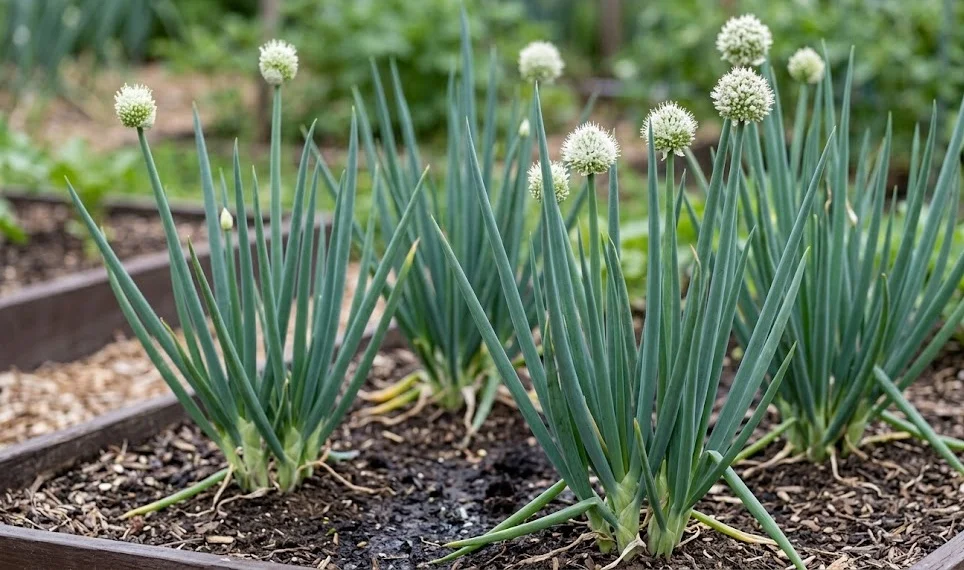

The ability of winter bunching onions to survive the harshest months of the year is one of their most valuable agricultural characteristics. However, ensuring their survival and productivity requires more than just leaving them to face the elements alone. A professional approach to overwintering involves a series of strategic steps to protect the plants from extreme cold and fluctuating temperatures. By preparing the garden properly, you can guarantee a continuous harvest of fresh greens even when the rest of the landscape is dormant.
Preparation for winter begins in the late autumn as the temperatures start to drop and the days grow shorter. This is the time to clear away any remaining summer debris and perform a final weeding of the onion beds. Removing decaying matter prevents the buildup of pathogens that could attack the plants during their dormant phase. A clean and organized bed is much less likely to harbor pests or diseases over the winter months.
One of the most effective ways to protect the root systems of your onions is through the application of a thick layer of organic mulch. Materials such as straw, shredded leaves, or well-rotted compost provide a layer of insulation that keeps the soil temperature stable. This prevents the damaging effects of soil heaving, which occurs when the ground repeatedly freezes and thaws. A stable environment at the root zone is crucial for the long-term health of the perennial onion.
While the plants are naturally hardy, they can still benefit from physical protection during periods of extreme frost or heavy wind. Using low tunnels or row covers can create a microclimate that is several degrees warmer than the surrounding air. This extra layer of protection can prevent the foliage from becoming excessively damaged or “burned” by the cold. It also keeps the soil from freezing solid, allowing the roots to continue functioning at a low level.
Soil management for the cold season
The condition of the soil before the first hard freeze significantly impacts how well the onions will fare over the winter. Well-draining soil is a absolute necessity because excess moisture in frozen ground can lead to root suffocation and rot. If your garden has heavy clay soil, consider incorporating grit or organic matter to improve the drainage before the winter sets in. A dry, cold root is much more likely to survive than one that is sitting in frozen slush.
More articles on this topic
It is also important to ensure that the plants are well-hydrated before the ground freezes solid. Once the water in the soil turns to ice, it is no longer available to the plant’s roots, which can lead to winter desiccation. A deep watering in late autumn provides the necessary moisture reserves to carry the onion through the driest parts of the season. Monitoring the soil moisture levels until the very last moment is a hallmark of a professional gardening approach.
Reducing the use of high-nitrogen fertilizers in the late fall is a vital part of the overwintering strategy. Nitrogen encourages the growth of tender, succulent leaves that are highly susceptible to frost damage and cellular rupture. Instead, focusing on potassium-rich amendments can help the plant build stronger cell walls and improve its overall cold tolerance. This nutritional shift helps the onion transition from active growth to a more resilient, dormant state.
Finally, checking the pH levels of the soil one last time before winter can prevent nutrient lockout during the early spring thaw. If the soil is too acidic or alkaline, the plants may struggle to wake up and start growing when the weather warms. Making small adjustments in the autumn ensures that the environment is ready for the rapid growth that occurs in the spring. Proper soil chemistry is a silent but powerful ally in the battle against winter stress.
Physical protection and insulation
In regions where temperatures regularly drop well below freezing, additional insulation may be required to protect the crown of the onion. Mounding soil or extra mulch around the base of the plants can provide a thermal buffer for the most sensitive tissues. The crown is where the new growth originates, so protecting it is the top priority for ensuring a successful spring recovery. This technique is especially useful for younger plants that have not yet established a massive root system.
More articles on this topic
Snow can actually be a very effective insulator if it remains consistent throughout the winter months. A thick blanket of snow keeps the soil temperature relatively constant and protects the foliage from the drying effects of the wind. However, in many modern climates, snow cover is erratic, and gardeners must rely on artificial substitutes. Using specialized garden fleeces or blankets can mimic the protective effects of snow without the risk of heavy weight breaking the stalks.
Windbreaks are another important consideration for protecting winter bunching onions in exposed garden locations. Cold, dry winds can rapidly strip moisture from the leaves, leading to severe desiccation even if the soil is moist. Planting the onions near a hedge or using a temporary windbreak made of netting or burlap can significantly reduce this stress. Protecting the plants from the physical force of the wind also prevents the stalks from snapping or becoming distorted.
Monitoring the integrity of your protective structures throughout the winter is essential for long-term success. Heavy snow or high winds can collapse tunnels or blow away mulch, leaving the plants vulnerable to the elements. A quick inspection after every major weather event allows you to make repairs and ensure the onions remain safe. This level of attention to detail is what separates a professional agriculturist from a casual gardener.
Transitioning to spring growth
As the days begin to lengthen and the soil starts to warm, the process of waking the onions up must be handled with care. Suddenly removing all winter protection can expose the tender new growth to late-season frosts that can be quite damaging. It is better to gradually peel back the covers and mulch over several days to allow the plants to acclimate. This hardening-off process is just as important for overwintered plants as it is for new seedlings.
This is the ideal time to perform a thorough cleaning of the onion bed to make room for new growth. Remove any dead or damaged leaves that didn’t survive the winter to improve air circulation and reduce the risk of disease. Keeping the base of the plants clear allows the sun to reach the soil and stimulate root activity more quickly. A clean start in the spring sets the tone for a productive and healthy growing season.
Once the soil is workable, a light application of a balanced, high-nitrogen fertilizer can provide the necessary energy for the spring flush. The plants are hungry after their long dormant period and will respond rapidly to a boost of nutrients. Watering should also be increased as the plants enter their most active phase of leaf production. Consistent care during this transition period ensures that you will have a bountiful harvest of green onions in record time.
Finally, keep a close watch for any pests or diseases that may have overwintered along with your onions. Slugs and snails are often the first to emerge and can quickly damage the tender new shoots if left unchecked. Early intervention with organic baits or manual removal can prevent a minor nuisance from becoming a major problem. Starting the spring with a healthy, pest-free bed is the best way to guarantee a successful harvest for the rest of the year.