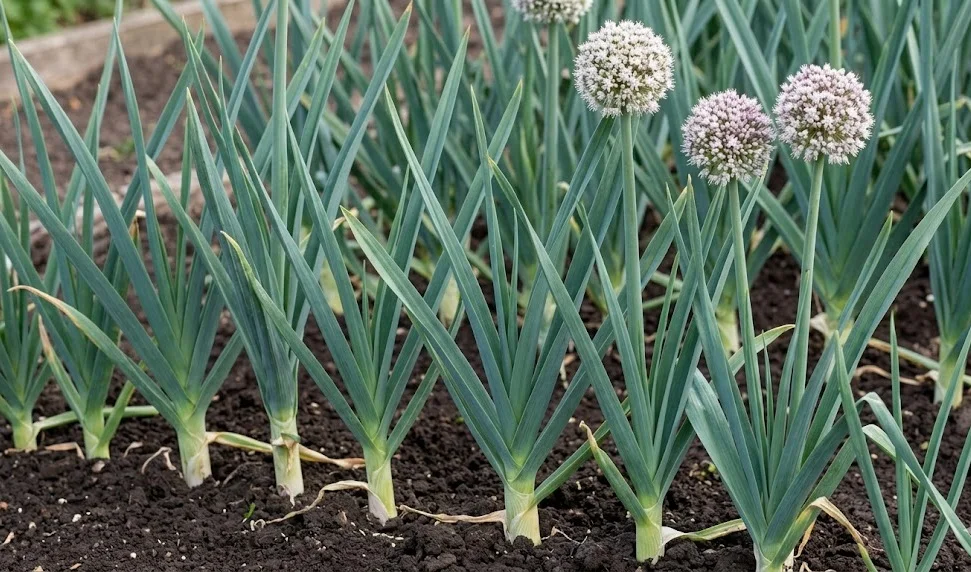

Proper management of the leek crop requires a deep understanding of its unique growth cycle and environmental preferences. This long-season vegetable demands consistent attention from the moment the seeds are sown until the final harvest in late autumn or winter. Experienced gardeners know that patience is a virtue when dealing with a plant that takes so many months to reach maturity. Success depends on a combination of soil preparation, moisture control, and the physical manipulation of the plant to achieve the desired white stalks.
Cultivating these plants successfully involves more than just putting them in the ground and waiting. It is essential to monitor the development of the foliage throughout the spring and summer months. Any signs of stress or nutrient deficiency must be addressed immediately to ensure the plant continues to store energy in its bulbous base. Regular observation allows for the early detection of issues that could otherwise stunt the growth of the entire crop.
The structural integrity of the plant is another key factor that requires constant monitoring during the growing season. Strong, upright leaves are a sign of a healthy root system and adequate nutrient uptake from the surrounding soil. If the leaves begin to droop or turn yellow prematurely, it often indicates a problem with the underlying soil structure or water levels. Maintaining a clean and organized garden space helps in identifying these subtle changes in plant health.
Environmental factors such as temperature fluctuations and humidity also play a significant role in the overall care of the vegetable. While they are known for their hardiness, extreme weather events can still impact the quality of the final harvest. Providing a stable environment through mulching and proper spacing can mitigate many of the risks associated with unpredictable climate conditions. Every action taken during the care process should aim to support the natural vigor of the plant.
Soil health and bed preparation
The foundation of a successful harvest lies in the quality and texture of the soil where the plants are grown. These vegetables thrive in deep, well-drained soil that has been enriched with significant amounts of organic matter. Before planting, it is necessary to dig the soil deeply to ensure there are no obstructions for the long roots. Compacted earth can lead to deformed stalks and limited nutrient absorption, which ultimately reduces the yield.
More articles on this topic
Maintaining the correct pH balance is equally important for the long-term health of the agricultural site. A slightly acidic to neutral pH level provides the ideal chemical environment for the roots to access essential minerals. Soil testing should be conducted well in advance of the planting season to allow for any necessary adjustments with lime or sulfur. Regular additions of compost can help stabilize the pH and improve the overall microbial activity in the ground.
Aeration of the soil is a task that should not be overlooked by the professional grower during the maintenance phase. Gently hoeing around the base of the plants prevents a hard crust from forming on the surface after heavy rains. This practice allows oxygen to reach the root zone more effectively, promoting a more robust and resilient plant. Care must be taken not to disturb the shallow roots while performing this essential cultivation task.
Drainage management ensures that the plants do not sit in waterlogged conditions, which can lead to root rot. If the gardening area is prone to standing water, creating raised beds or improving the subsoil structure is highly recommended. Good drainage allows for better temperature regulation within the soil profile, which is beneficial during the colder months. A well-prepared bed reduces the labor required for maintenance later in the growing season.
Blanching for quality stalks
The process of blanching is what gives the vegetable its characteristic long, white, and tender stalk. This technique involves excluding light from the lower portion of the plant as it grows upward. By preventing photosynthesis in the base, the tissues remain pale and develop a much milder flavor compared to the green leaves. Most growers achieve this by gradually mounding soil around the stems over several weeks.
Timing is critical when starting the blanching process to avoid trapping moisture or soil inside the leaf sheaths. It is generally best to begin when the plants are about the size of a pencil and have established a strong root system. Mounding should be done in stages, adding only a few inches of soil at a time as the plant gains height. This progressive approach ensures that the plant is not smothered and continues to grow vigorously.
Alternative methods for blanching include using cardboard tubes or specialized collars made from recycled materials. These devices can be placed around the stalks to block out sunlight without the need for constant soil mounding. This method is often preferred in areas with heavy clay soil, as it keeps the harvested stalks cleaner and easier to process. Regardless of the method used, the goal remains the same: producing a high-quality, marketable product.
Cleanliness during the blanching process is a mark of a professional approach to gardening and agriculture. If soil is used for mounding, it should be dry and free of large stones or debris that could bruise the tender stalks. Careful application of the soil ensures that none of it enters the heart of the plant, which can be difficult to wash out later. A well-blanched crop is the hallmark of a dedicated and skilled horticulturalist.
Weed management strategies
Competition from weeds can significantly reduce the size and quality of the harvest if left unchecked. Because these plants have relatively thin foliage, they do not provide much natural shade to suppress weed growth on their own. Regular weeding is necessary to ensure that nutrients and water are reserved for the crop rather than invasive species. A proactive approach to weed control saves significant time and effort during the peak growing season.
Manual weeding remains one of the most effective ways to manage unwanted plants in a small to medium-sized garden. Using a sharp hoe to cut weed seedlings just below the surface can prevent them from becoming established. It is important to perform this task on a dry day so the uprooted weeds wither and die quickly in the sun. Avoiding deep cultivation near the crop prevents accidental damage to the delicate root systems.
Mulching provides a secondary layer of defense against weed germination while also helping to retain soil moisture. Organic materials such as straw or shredded leaves can be spread between the rows to create a barrier that light cannot penetrate. As these materials decompose, they also add valuable organic matter back into the soil, improving its overall structure. Proper mulch application reduces the frequency of manual intervention required throughout the summer.
Persistent weeds should be removed by hand to ensure that the entire root system is extracted from the ground. Some perennial weeds can regrow from small fragments, so careful disposal of the pulled plants is essential. Maintaining clean paths and edges around the vegetable plot further reduces the risk of weed seeds blowing into the growing area. Consistency is the most important factor in keeping the garden productive and free of competition.
Monitoring growth and development
Tracking the progress of the plants throughout the season allows the grower to make informed decisions about care. Healthy plants should show a steady increase in girth and height as the months go by. Taking regular notes on growth rates and leaf color can help identify trends that might be related to local weather patterns. This professional approach to monitoring ensures that the crop stays on track for a successful harvest.
The thickness of the stem is often the best indicator of whether the plant is receiving enough nutrients and water. If the stalks remain thin despite proper care, it may be time to reassess the fertilization schedule or soil quality. Comparing the current crop to previous years provides valuable context for evaluating the success of the current management strategy. Adjusting the care routine based on these observations is a key skill for any serious agriculturalist.
Pest and disease checks should be integrated into the weekly routine to catch any potential problems early. Looking closely at the underside of leaves and the base of the stalks can reveal hidden threats before they become a major issue. Early intervention often allows for more natural or organic control methods to be effective. Keeping a watchful eye on the crop is the simplest way to prevent significant losses.
The overall vigor of the garden plot reflects the level of care and attention provided by the gardener. A uniform crop where all plants are developing at a similar rate indicates that the growing conditions are optimal. If certain areas are lagging behind, investigating the soil or microclimate in that specific spot is necessary. Continuous monitoring ensures that every plant has the best possible chance to reach its full potential.
Integrated nutrient support
Providing the right balance of nutrients at the right time is a fundamental aspect of professional plant care. These vegetables are considered heavy feeders, meaning they require a consistent supply of nitrogen, phosphorus, and potassium. Nitrogen is particularly important for the development of healthy, green foliage, which powers the growth of the stalk. Organic fertilizers or well-rotted manure should be incorporated into the soil well before planting.
Liquid feeds can be used during the peak growing months to give the plants an extra boost of energy. These are particularly effective during periods of rapid growth when the plants’ demand for nutrients is at its highest. It is important to follow application instructions carefully to avoid nutrient runoff or leaf burn. A balanced approach to feeding supports long-term soil health as well as immediate plant growth.
The timing of fertilizer applications should coincide with the plants’ natural growth stages for maximum efficiency. Early season feeding focuses on establishing a strong root system and initial leaf development. As the season progresses, the focus shifts to maintaining the health of the stalks and preparing for the blanching process. Avoiding late-season high-nitrogen fertilizers helps the plant prepare for the colder weather without producing excessive soft growth.
Sustainable nutrient management involves rotating crops and using cover crops to maintain soil fertility over several years. Following these plants with a legume crop can help replenish the nitrogen levels in the soil for future seasons. This holistic view of the garden environment ensures that the land remains productive for many years to come. Professional care extends beyond the current crop to include the long-term health of the entire agricultural system.
Harvesting and storage prep
Knowing when to begin the harvest is a matter of both plant size and personal preference for the kitchen. Many varieties can be harvested as “baby” vegetables early in the season or left to reach full maturity by late autumn. The professional grower monitors the weather forecast to ensure the harvest can be completed before the ground freezes solid. Preparing for the harvest involves gathering the right tools to minimize damage to the tender stalks.
Using a garden fork is the preferred method for lifting the plants without snapping the roots or bruising the stems. The fork should be inserted deeply into the soil several inches away from the base of the plant. Gently prying upward loosens the soil and allows the plant to be pulled out easily with its roots intact. This careful handling ensures that the vegetables stay fresh for a longer period after they are removed from the ground.
Once harvested, the plants should be cleaned by removing the outer layer of skin and trimming the long roots. The dark green leaf tips can also be cut back to make the vegetables easier to store and transport. It is important to wash away any trapped soil, especially if the plants were blanched using the mounding method. A clean and well-prepared product is much more appealing for both home use and commercial sale.
Storage conditions play a vital role in maintaining the quality of the vegetables after the harvest is complete. They can be kept in a cool, dark place with high humidity for several weeks or even months depending on the variety. Some growers prefer to leave a portion of the crop in the ground, protected by mulch, to be harvested fresh throughout the winter. Proper preparation for storage ensures that the rewards of the growing season can be enjoyed for as long as possible.
