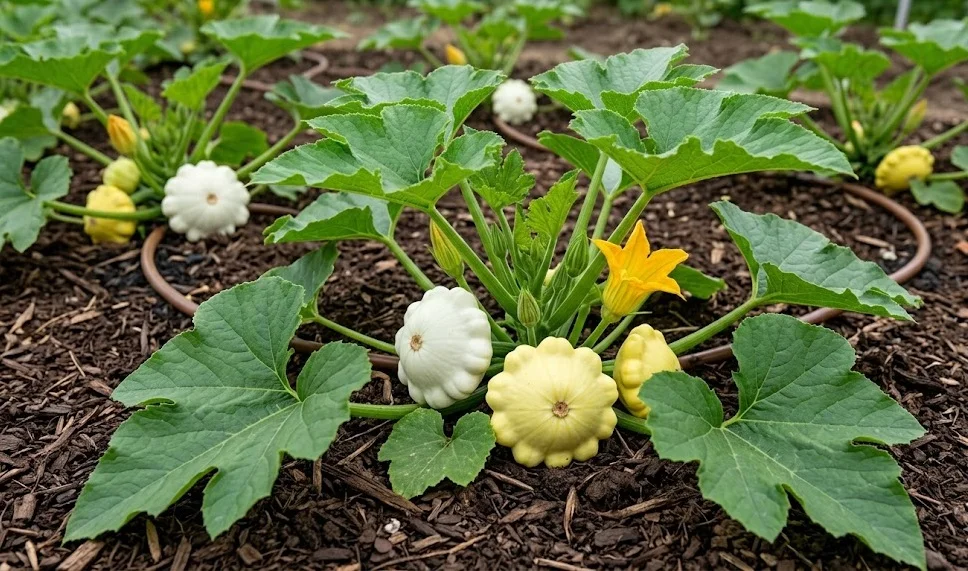

The primary maintenance of pattypan squash involves a comprehensive understanding of the plant’s physiological needs throughout the growing season. You must ensure that the soil remains consistently moist without becoming waterlogged, as this balance is critical for root health. It is advisable to monitor the growth of the foliage daily to catch any early signs of stress or nutrient deficiency. Professional gardeners often emphasize that a proactive approach to garden hygiene can prevent most common issues before they escalate.
Effective care starts with the stabilization of the surrounding environment to protect the delicate stems from physical damage. You should consider installing light windbreaks if your garden is located in a particularly exposed area. The structural integrity of the plant depends on its ability to anchor itself deeply into the loose, fertile earth. When the first flowers appear, you should minimize any disturbance to the soil surface to protect the shallow root system.
Providing the right amount of organic mulch can significantly reduce the amount of manual labor required for weed suppression. You can use straw or well-rotted compost to create a barrier that also helps retain essential soil moisture during heatwaves. This layer acts as a temperature regulator, keeping the roots cool when the summer sun is at its most intense. As the mulch breaks down, it slowly releases vital nutrients back into the ground, benefiting the long-term health of the crop.
The harvest period is perhaps the most rewarding part of the care cycle, but it requires careful timing to ensure the best flavor. You should pick the fruits when they are still small and tender, as they tend to become tough and lose their culinary value if left too long. Regular harvesting actually encourages the plant to produce more flowers and extend its overall productivity. Always use a sharp knife or garden shears to remove the fruit to avoid tearing the main stem of the plant.
Beneficial soil management and fertility
Maintaining high soil quality is the cornerstone of successful vegetable production in any professional agricultural setting. You should begin the season by incorporating a generous amount of aged manure or organic compost into the top few inches of the planting bed. This practice improves the soil structure, allowing for better aeration and water penetration to reach the thirsty roots. A well-prepared bed provides all the macro and micro-elements necessary for the rapid development of the squash.
More articles on this topic
Throughout the peak growing months, the demand for nitrogen and potassium increases significantly as the plant builds its massive leaf canopy. You might notice that the leaves turn a pale green if the nutrient levels in the ground start to drop below the optimal range. Applying a balanced liquid fertilizer every two weeks can help maintain the vigor of the plant during the fruiting stage. It is important to apply these nutrients at the base of the plant rather than on the leaves to avoid foliar burn.
The acidity of the soil also plays a vital role in how effectively the plant can absorb the available nutrients. You should aim for a neutral to slightly acidic pH level, which typically ranges between six and seven for most squash varieties. If your soil is too alkaline, you can add sulfur or peat moss to gradually lower the pH over time. Testing the soil regularly with a professional kit will give you the precise data needed to make these adjustments.
Compacted soil can be a major hurdle for the development of pattypan squash, as it restricts the movement of air and water. You should avoid walking on the planting beds once the seeds have been sown or the seedlings have been transplanted. Creating permanent pathways between the rows is a professional technique that keeps the growing area loose and friable. This structural care allows the roots to expand freely, leading to a much larger and more resilient plant.
Strategies for effective weed suppression
Weeds compete directly with your squash plants for light, water, and nutrients, making their management a top priority. You should start the removal process as soon as the first weeds appear to prevent them from establishing deep root systems. Hand-pulling is often the safest method when the plants are young and their roots are still close to the surface. As the squash grows and its leaves begin to shade the ground, the natural suppression of weeds will become more effective.
More articles on this topic
The use of landscape fabric or specialized garden plastic can be an excellent choice for larger agricultural operations. You can lay these materials down before planting to create a physical barrier that prevents weed seeds from germinating in the first place. This method also helps to warm the soil earlier in the spring, which can give your crop a significant head start. Make sure to cut small holes only where the squash will be planted to minimize the exposed soil area.
Mechanical cultivation with a hoe should be done with extreme caution to avoid damaging the main stem of the squash. You should only work the very top layer of the soil and keep a safe distance from the base of your crop. Deep cultivation can sever the important lateral roots that the plant uses to gather moisture from the upper soil layers. Consistency is the most important factor, as a few minutes of weeding each week is much more effective than a massive effort once a month.
Cover crops can also play a role in long-term weed management and soil health in a professional garden. You can plant a fast-growing green manure after the squash harvest to keep the ground covered and prevent winter weeds from taking over. In the spring, this vegetation is turned back into the soil, adding valuable organic matter and improving the tilth. This cycle of protection and enrichment creates a sustainable environment where the pattypan squash can truly thrive.
Temperature regulation and environmental protection
Pattypan squash is a warm-season vegetable that is highly sensitive to even the slightest hint of frost. You must wait until the ground has warmed up significantly and all danger of cold weather has passed before starting your outdoor cultivation. Using a soil thermometer can help you determine the exact moment when conditions are right for successful growth. The ideal temperature for rapid germination and healthy development is usually above twenty degrees Celsius.
In the middle of summer, extreme heat can sometimes cause the plant to wilt even if the soil is relatively moist. You can provide temporary shade during the hottest part of the day to protect the large leaves from sunscald. High temperatures can also affect the viability of the pollen, which might lead to poor fruit set if the heat persists for too long. Ensuring that there is plenty of airflow around the plants can help to naturally lower the temperature in the immediate vicinity.
During periods of unexpected cold snaps, you should be prepared to cover your plants with horticultural fleece or cloches. These protective layers trap the warmth from the earth and provide a several-degree buffer against the chilly night air. It is crucial to remove these covers during the day to allow pollinators to reach the flowers and to prevent overheating. Professional growers always keep a close eye on the local weather forecast to anticipate these environmental shifts.
The location of your garden bed can also influence the microclimate that your pattypan squash experiences every day. A south-facing slope or a position against a brick wall can provide additional warmth that the plants will appreciate in cooler regions. You should also consider the impact of nearby trees or buildings that might cast long shadows and reduce the available thermal energy. Maximizing the natural warmth of your site will lead to a more consistent and productive growing season.
Monitoring growth and developmental stages
Understanding the different phases of development is essential for any gardener looking to maximize their squash yield. You will first see the emergence of the cotyledons, which are the initial seed leaves that provide energy for the first true leaves to grow. At this stage, the plant is at its most vulnerable and requires protection from pests and heavy rain. Watching the transition from the vegetative stage to the flowering stage is a key indicator of the plant’s health.
The appearance of male and female flowers marks a critical turning point in the life cycle of the pattypan squash. You can distinguish the female flowers by the small, saucer-shaped ovary located at the base of the petals. Male flowers usually appear first on long, thin stalks to attract bees and other beneficial insects to the area. Successful pollination is required for the ovary to develop into the characteristic scalloped fruit that we recognize.
As the fruit begins to grow, you should check the plants every day to monitor the speed of development. The pattypan squash grows surprisingly quickly, and a small fruit can double in size in just a couple of days. You should aim for a size of about five to eight centimeters in diameter for the best culinary quality. Keeping a garden journal can help you track the time from flowering to harvest, providing valuable data for future seasons.
Toward the end of the summer, you might notice the plant’s growth slowing down as the days become shorter. You should continue to provide basic care, but the frequency of fertilization can be reduced as the plant finishes its production. Any remaining small fruits should be harvested before the first frost arrives to avoid damage to the crop. Observing these natural cycles allows you to work in harmony with the plant’s inherent rhythm.
Attracting pollinators for fruit production
Since pattypan squash relies on insects for pollination, creating a friendly environment for bees is a professional necessity. You should plant a variety of nectar-rich flowers nearby to ensure that there is a constant population of pollinators in your garden. Bees are particularly attracted to blue and yellow flowers, which can guide them toward the squash blossoms. Avoid using broad-spectrum insecticides, as these can harm the very insects you need for a successful harvest.
The flowers of the squash open early in the morning and often close by the middle of the afternoon. This limited window of opportunity means that the pollinators must be active and present during those specific hours. You might notice that the activity level in the garden increases on warm, sunny days when the bees are most energetic. If natural pollination seems low, you can even see professional growers using small brushes to move pollen manually between flowers.
High humidity or heavy rain can sometimes interfere with the pollination process by making the pollen clump together. You should try to keep the foliage dry when watering to ensure that the interior of the flowers remains accessible. Good spacing between the plants also helps to create a more open environment where insects can fly easily from one bloom to another. A crowded garden can sometimes hide the flowers and make it difficult for bees to locate their target.
The health of the local ecosystem is directly reflected in the productivity of your pattypan squash crop. You can provide nesting sites for solitary bees or maintain a small water feature to support the insect population throughout the summer. By viewing your garden as a complete habitat, you ensure that the natural processes of reproduction can occur without interruption. This ecological approach is both professional and highly effective for long-term agricultural success.
Preparation for harvest and final storage
Knowing exactly when to harvest your pattypan squash is an art form that improves with every passing season. You should look for a vibrant color and a skin that is still soft enough to be easily pierced by a fingernail. Fruits that have become very large and have a hard, dull skin are usually overripe and are better suited for seed saving than for the kitchen. Frequent harvesting is the best way to ensure that the plant continues to produce new flowers and fruits.
When you are ready to pick the squash, you should always leave a short piece of the stem attached to the fruit. This helps to prevent moisture loss and protects the fruit from rot during the initial stages of storage. You should handle the squash gently, as the skin is very tender and can be easily bruised or scratched. Any damaged fruit should be consumed immediately, as it will not last long in storage.
For short-term storage, you can keep the pattypan squash in a cool, dark place like a cellar or the vegetable drawer of your refrigerator. They generally stay fresh for about a week to ten days if the temperature and humidity are kept stable. It is best not to wash the squash until you are ready to use them to avoid introducing excess moisture. If you have a large harvest, you might consider blanching and freezing the squash for use during the winter months.
As the season comes to a close, you should remove all the spent plants and any fallen fruit from the garden beds. This cleanup process is vital for preventing the buildup of pests and diseases that could overwinter in the soil. You can add the healthy plant material to your compost pile, but anything showing signs of disease should be disposed of elsewhere. Preparing the ground now will make your work much easier when the next planting season arrives.