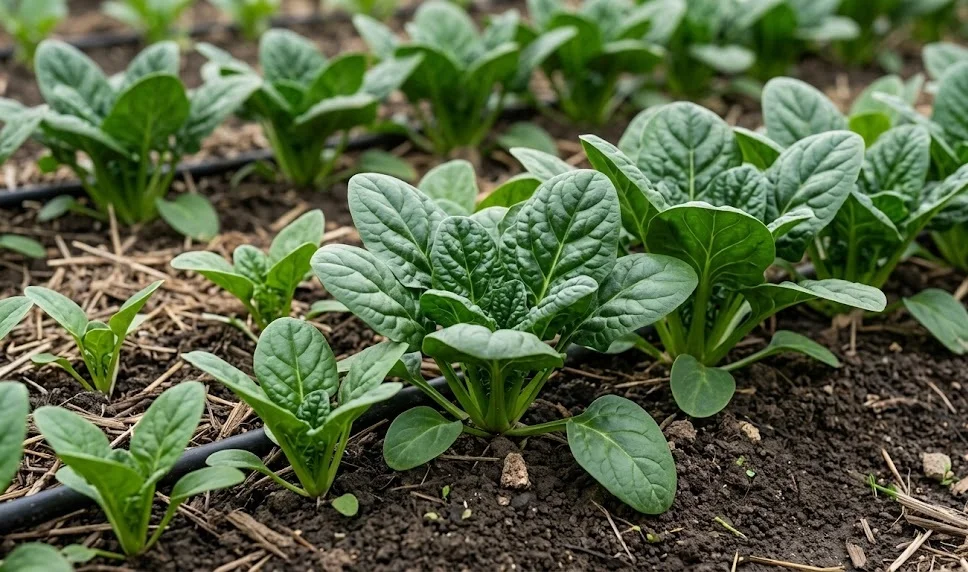

Mastering the art of overwintering spinach allows for an incredibly early spring harvest, often weeks before newly sown seeds would even germinate. Spinach is naturally frost-tolerant, but successfully bringing it through a harsh winter requires specific techniques to protect the plants from extreme cold and desiccation. By selecting the right varieties and providing adequate insulation, gardeners can take advantage of the plant’s dormant period to establish a powerful root system. This process turns the quiet winter months into a productive part of the vegetable garden’s annual cycle.
Understanding cold hardiness
Spinach is one of the most cold-tolerant vegetables in the temperate garden, capable of surviving temperatures well below freezing. During the autumn, the plant’s metabolism slows down, and it begins to accumulate sugars in its cells, which act as a natural antifreeze. This physiological change prevents ice crystals from forming within the plant tissue, which would otherwise cause the cells to burst. Some varieties are specifically bred for superior cold hardiness and are the best choice for overwintering projects.
The key to successful overwintering is timing the planting so that the spinach is well-established but not fully mature before the ground freezes. Ideally, the plants should have four to six true leaves and a sturdy root system by the time the first hard frost arrives. If the plants are too small, they may be heaved out of the soil by frost action; if they are too large, they are more susceptible to leaf damage. Achieving this “goldilocks” stage usually requires sowing the seeds in late September or early October.
While the leaves may wilt and appear lifeless during a deep freeze, the crown of the spinach plant remains alive just at the soil surface. As soon as the temperatures rise above freezing, these resilient plants can resume photosynthesis and growth. This ability to “wake up” quickly is what makes overwintering so valuable for early-season food production. Understanding that the plant is in a state of rest rather than death is crucial for the gardener’s peace of mind during the winter months.
Soil type also plays a role in how well spinach survives the winter, with well-drained soils being the most advantageous. Waterlogged soil in winter can lead to root rot or cause the roots to suffocate due to a lack of oxygen. If your garden has heavy soil, consider planting overwintering spinach in raised beds or on slightly sloped areas. Ensuring that excess water can drain away from the root zone is just as important as protecting the foliage from the cold.
More articles on this topic
Mulching and insulation techniques
Mulching is the primary method used to insulate overwintering spinach from extreme temperature fluctuations. A thick layer of clean straw, shredded leaves, or evergreen boughs provides a buffer against the wind and helps maintain a more consistent soil temperature. This insulation prevents the ground from repeatedly freezing and thawing, a cycle that can severely damage plant roots. The mulch should be applied after the first few light frosts but before the ground freezes solid for the winter.
The timing of mulch application is a delicate balance that requires careful observation of the local weather. If applied too early, the mulch can trap heat and moisture, encouraging fungal growth or providing a haven for voles and other rodents. Waiting until the plants have naturally acclimated to the cooling weather ensures they are in the proper state of dormancy. Once the deep winter sets in, the mulch acts like a warm blanket, keeping the vital crown of the plant protected from the elements.
Snow can actually serve as an excellent natural insulator for spinach, provided it stays on the ground consistently. A layer of fluffy snow traps air and protects the plants from the drying effects of winter winds and sub-zero temperatures. However, because snow cover is often unreliable, it is best to have a layer of mulch in place as a backup. In regions with very little snow, the artificial insulation provided by the gardener becomes even more critical for survival.
In the late winter or early spring, the mulch should be removed gradually as the weather begins to warm up. Removing it all at once can shock the plants if a sudden cold snap occurs shortly after. By thinning the mulch layer over a week or two, you allow the plants to slowly re-adjust to the light and fluctuating temperatures. This careful transition ensures that the spinach can hit the ground running as soon as the growing season officially begins.
More articles on this topic
Greenhouse and cold frame cultivation
Using unheated greenhouses or “high tunnels” can significantly extend the window for overwintering spinach with minimal effort. These structures trap the sun’s energy during the day, keeping the internal temperature several degrees warmer than the outside air. This slight advantage is often enough to keep the spinach growing slowly throughout the winter, rather than going completely dormant. In a greenhouse environment, the plants are also protected from the physical damage of heavy snow and freezing rain.
Cold frames offer a smaller-scale solution for overwintering that is perfect for home gardens. A cold frame is essentially a bottomless box with a transparent lid that acts like a miniature greenhouse for a specific patch of plants. The lid can be opened on sunny days to prevent overheating and closed at night to trap the warmth of the earth. This controlled environment allows for much more precise management of the plants’ winter experience.
Inside these structures, it is still important to monitor soil moisture, as the plants will not receive natural rainfall. The soil dries out much more slowly in the winter, so watering is only needed occasionally and should be done on a warm morning. Avoid getting water on the leaves, as the lower air circulation inside a frame or greenhouse can lead to mold issues. A well-managed cold frame can provide fresh spinach leaves even in the middle of January in many climates.
Floating row covers can be used inside a greenhouse or cold frame to provide an extra “inner” layer of protection. This double-layering technique can keep the temperature around the plants as much as five to eight degrees warmer than the ambient air. It is a cost-effective way to push the boundaries of what is possible in cold-weather gardening. For the professional grower, this extra security ensures a reliable crop regardless of how severe the winter might be.
Early spring recovery and care
As the days begin to lengthen in late February and March, overwintered spinach will show the first signs of new growth. This is the signal for the gardener to begin a more active care routine to support the rapid development of spring leaves. A light application of a liquid nitrogen-rich fertilizer can help the plants overcome winter lethargy and produce a flush of tender foliage. It is important not to overdo the fertilizer, as the soil is still cool and biological activity is just starting to ramp up.
The first few harvests from overwintered spinach are often the sweetest of the year because the cold has concentrated the sugars in the leaves. You can begin picking individual leaves as soon as they are large enough to be useful in the kitchen. Harvesting early also encourages the plant to continue producing new leaves before it eventually moves toward bolting. This “bonus” harvest is a rewarding payoff for the effort put into winter protection.
Monitoring for pests like slugs becomes important again as the soil thaws and moisture levels increase. These pests are often active earlier than you might expect and can quickly damage the tender new growth of spring. Keeping the area around the plants clean and removing any remaining winter mulch helps reduce their hiding spots. A proactive approach to pest management in the early spring ensures that the harvest remains clean and high-quality.
The overwintered crop will eventually bolt as the spring temperatures rise and the days get longer. At this point, the plants can be removed to make way for the next rotation of spring crops or a new sowing of spinach. Because the overwintered plants had a head start, they will often finish their cycle just as the spring-sown spinach is ready for its first harvest. This overlap creates a seamless transition and a continuous supply of greens for the table.