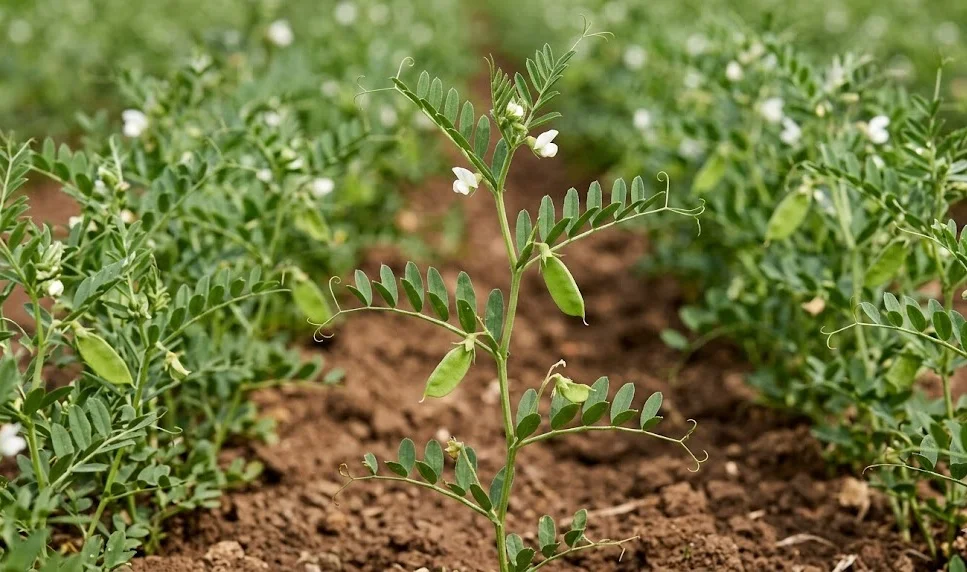

Maintaining a successful lentil crop requires a deep understanding of the plant’s specific growth habits and environmental needs throughout the season. As a cool-season legume, this crop thrives when the grower pays close attention to soil conditions and the delicate balance of moisture. Professional farmers know that the secret to a high yield lies in consistent monitoring and timely interventions. By following established agricultural practices, you can ensure that your pulse crop reaches its full genetic potential in terms of both quality and quantity.
Establishing the ideal growing environment
The foundation of lentil care begins with a meticulous assessment of the field site and the prevailing climatic conditions. These plants prefer well-drained soils and are particularly sensitive to waterlogging, which can quickly lead to root health issues. You should aim for a site that offers excellent air circulation to minimize the risk of foliar diseases during humid periods. Preparing the land involves clearing any debris and ensuring a fine, firm seedbed that facilitates uniform growth across the entire area.
Temperature plays a critical role in the development of the plant, especially during the early vegetative stages. Lentils are adapted to cool temperatures and can even withstand light frosts, which makes them ideal for early spring cultivation. However, extreme heat during the flowering stage can cause significant flower drop and reduce the final seed count. Professionals often time their planting to ensure that the critical reproductive phases occur before the peak summer heat arrives in the region.
Soil pH is another factor that dictates how well your lentils will absorb necessary nutrients from the earth. A neutral to slightly alkaline pH range is generally considered optimal for pulse production in most agricultural settings. If the soil is too acidic, the essential process of nitrogen fixation may be severely hindered or stopped entirely. Regular soil testing is a standard practice for expert growers who wish to maintain the long-term productivity of their agricultural land.
Finally, managing the competition for resources is a task that starts long before the seeds are even placed in the ground. Weeds can easily outcompete young lentil seedlings for light, water, and vital nutrients if they are not kept in check. Effective care involves a combination of mechanical cultivation and cultural practices to keep the field as clean as possible. A weed-free environment allows the lentil plants to establish a robust canopy that eventually suppresses further unwanted growth naturally.
More articles on this topic
Managing soil moisture and aeration
While lentils are known for their impressive drought tolerance, they still require strategic moisture management to produce a heavy crop. During the germination and early establishment phases, the soil should be kept consistently moist but never saturated. Overwatering is a common mistake that can lead to oxygen deprivation in the root zone and stunted plant growth. Monitoring the subsurface moisture levels helps you decide exactly when a supplemental water application might be necessary for the crop.
As the plants mature and develop their root systems, they become much more efficient at extracting water from deeper soil profiles. The most critical period for moisture is during the flowering and pod-filling stages when the plant’s demand for resources peaks. Lack of water at this time can lead to smaller seeds and a lower overall nutritional value in the harvested pulse. Expert growers often use moisture sensors to track these needs with precision throughout the growing cycle.
Aeration within the soil structure is just as important as the water content itself for the health of the legume. A compacted soil prevents the roots from expanding and limits the activity of beneficial soil microorganisms. You can improve aeration by avoiding the use of heavy machinery on wet fields and by incorporating organic matter over time. Well-aerated soil supports the complex biological interactions that allow the lentil plant to thrive in diverse environments.
Drainage systems are often a necessary investment for those growing lentils in areas prone to heavy seasonal rainfall. Raised beds or tiled drainage can help move excess water away from the sensitive root systems during peak rain events. Without proper drainage, the risk of soil-borne pathogens increases exponentially, potentially wiping out large sections of the plantation. Professional care means anticipating these drainage needs well in advance of the planting season to protect the investment.
More articles on this topic
Weeding and canopy management
Weed control is perhaps the most labor-intensive aspect of caring for a lentil crop because of the plant’s slow initial growth. Since lentils do not provide a dense canopy early on, they are vulnerable to aggressive broadleaf weeds and grasses. You must implement a comprehensive weed management strategy that includes pre-emergence treatments and mechanical scouting. Keeping the rows clean during the first six weeks is vital for the eventual success of the harvest.
As the season progresses, the lentils will begin to branch out and create a more substantial ground cover. This natural canopy serves as a living mulch that helps to regulate soil temperature and conserve moisture. However, if the canopy becomes too dense, it can trap humidity and create a microclimate favorable for fungal growth. Skilled farmers often adjust their seeding rates to find the perfect balance between weed suppression and adequate airflow.
Hand weeding may still be required in smaller or specialized plots to remove specific invasive species that escape mechanical cultivation. This level of detail ensures that no foreign seeds contaminate the final product, which is crucial for maintaining commercial grade standards. It also allows you to inspect the plants closely for any early signs of nutritional deficiencies or localized pest outbreaks. Taking the time for manual inspection pays off when the quality of the harvested lentils is assessed.
The use of cover crops in rotation with lentils can also assist in long-term weed management across multiple seasons. By planting a competitive grass or cereal crop in the off-season, you can reduce the overall weed seed bank in the soil. This integrated approach reduces the reliance on intensive cultivation and promotes a healthier ecosystem for future lentil plantings. Professional care is always about looking at the big picture and planning several steps ahead of the current crop.
Monitoring plant nutrition and health
Lentils have the remarkable ability to fix their own nitrogen through a symbiotic relationship with specific soil bacteria. This means that they generally require less nitrogen fertilizer than other crops, provided the right bacteria are present. You should inspect the roots periodically to check for the presence of healthy, pinkish nodules that indicate active nitrogen fixation. If nodules are absent or white, it may be necessary to inoculate the seeds in future seasons to boost productivity.
While nitrogen is handled naturally, the plants still depend on you to provide adequate levels of phosphorus and potassium. Phosphorus is essential for early root development and the energy transfer processes that occur during flowering and seed set. Potassium helps the plant regulate its water use and strengthens the cell walls against environmental stress and disease. Applying these nutrients based on a recent soil analysis ensures that the plants have everything they need without wasting resources.
Micronutrients like sulfur and molybdenum also play supporting roles in the metabolic functions of the lentil plant. Sulfur is a component of several important amino acids, while molybdenum is directly involved in the nitrogen-fixing process itself. A deficiency in any of these minor elements can manifest as yellowing leaves or a general lack of vigor in the crop. Professional growers often apply foliar sprays if they notice specific symptoms that indicate a localized nutrient shortage.
Consistent scouting for physical signs of stress is the best way to maintain plant health throughout the long growing season. You should look for changes in leaf color, wilting patterns, or unusual spots that might suggest a developing problem. Early detection allows for more targeted and less invasive treatments, which is better for both the crop and the environment. An expert eye is the most valuable tool in any agricultural toolkit when it comes to maintaining a healthy plantation.
Support structures and lodging prevention
Some varieties of lentils have a tendency to “lodge,” which means they fall over and lay flat on the ground before harvest. This usually happens when the plants grow too tall or when heavy winds and rain hit a dense canopy. Lodging makes the harvest much more difficult and increases the risk of the seeds rotting in contact with the damp earth. To prevent this, professional growers often select shorter, stronger-stalked varieties that are bred for better standing ability.
In certain high-value or smaller-scale operations, providing physical support can drastically improve the quality of the final yield. Using a trellis system or intercropping with a sturdy cereal like barley can provide the lentils with something to climb or lean on. This keeps the pods off the ground and ensures they receive plenty of sunlight and air circulation during the drying phase. While it requires more initial setup, the reduction in harvest losses can make it a very profitable strategy.
Adjusting the density of the planting is another cultural method used to manage the physical stability of the crop. If the plants are too crowded, they tend to grow thin and weak as they compete for light, making them more prone to falling. By providing adequate space between rows, you encourage the plants to develop thicker stems and a more robust root base. Finding the optimal plant population for your specific soil type is a hallmark of professional agricultural management.
Windbreaks can also play a role in protecting the delicate lentil plants from physical damage during summer storms. Planting taller crops or maintaining natural hedgerows around the field can significantly reduce the force of the wind at ground level. This creates a more stable environment where the lentils can grow upright without the constant stress of mechanical wind pressure. Every detail of the field’s layout contributes to the overall stability and health of the standing crop.
Timing the harvest for peak quality
Knowing exactly when to stop caring for the growing plant and start the harvest is a critical decision for any pulse grower. Lentils do not ripen all at once; the bottom pods usually mature while the top of the plant is still green and flowering. You must wait until the majority of the pods have turned a tan or brown color and the seeds inside are hard. If you harvest too early, the green seeds will shrivel and lose value; if you wait too long, the pods may shatter and drop their seeds.
Environmental conditions during the final weeks of the season will largely dictate the speed and uniformity of the ripening process. Hot, dry weather is ideal for natural desiccation, allowing the plants to dry out evenly across the entire field. If the weather remains damp or humid, you may need to use professional desiccation techniques to ensure the crop is dry enough for storage. Monitoring the moisture content of the seeds is the only way to be certain that the crop is ready for the combine.
Checking the firmness of the seeds is a simple but effective way to gauge maturity in the field. A seed that is ready for harvest should not be easily crushed between your teeth or marked by a fingernail. Professionals often take samples from different parts of the field to account for variations in soil moisture and topography. Consistency in the ripeness of the harvested material is essential for modern processing and packaging facilities.
The time of day you choose to harvest can also impact the quality of the lentils and the efficiency of the machinery. Early morning or late evening, when there is a small amount of atmospheric moisture, can actually help prevent the pods from shattering. However, the seeds themselves must remain dry to prevent spoilage once they are placed in the storage bins. Balancing these factors requires experience and a constant eye on the local weather forecast during the harvest window.
Post-harvest handling and storage
Once the lentils have been removed from the field, the care process transitions into the management of the stored grain. Proper cooling and aeration are necessary to remove any field heat and prevent the development of mold or hotspots in the bin. Even a small amount of excess moisture can lead to rapid spoilage and the loss of the entire season’s work. Using specialized fans and monitoring equipment allows you to maintain the ideal storage environment for several months.
Cleaning the harvested lentils is the next step in preparing them for the market or for future planting use. This involves removing any bits of stem, soil, or weed seeds that were picked up during the mechanical harvest process. Professional cleaning equipment uses screens and air flow to sort the seeds by size, shape, and weight. High-quality lentils are uniform in appearance and free from any foreign material that could affect their culinary or agricultural value.
Protecting the stored seeds from pests such as weevils is a continuous task that requires regular inspections of the storage facilities. These insects can quickly penetrate the seed coats and hollow out the lentils, making them useless for food or fodder. Maintaining a clean storage area and using approved organic or chemical treatments can keep these pests at bay. An expert grower knows that the job isn’t finished until the product is safely delivered to the final buyer.
Finally, keeping detailed records of the storage conditions and any treatments applied is part of a professional management plan. Traceability is becoming increasingly important in the global food supply chain, and buyers often require documentation of how the crop was handled. By maintaining high standards from the field to the warehouse, you ensure that your lentils remain a premium product. Professionalism in post-harvest care reflects the dedication put into the crop throughout the entire growing season.