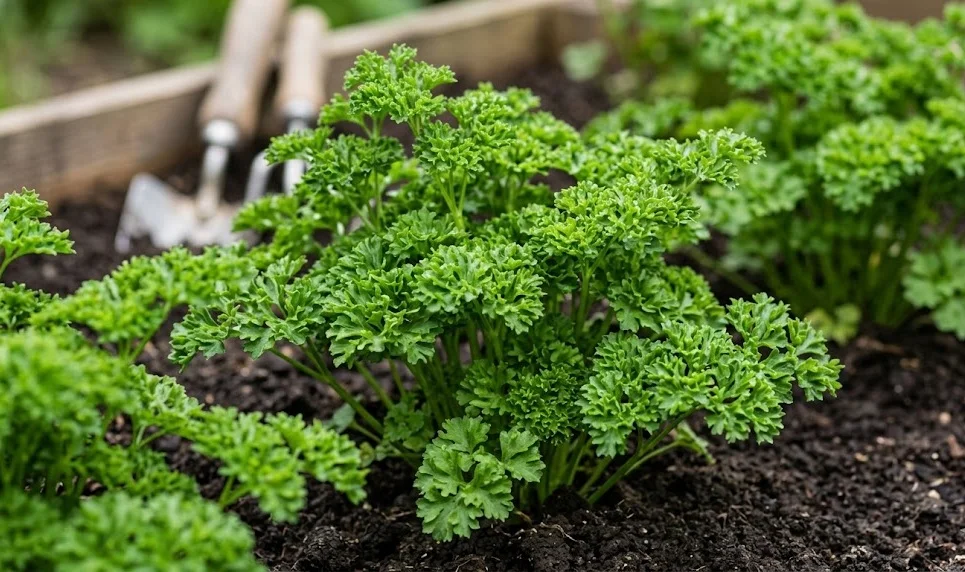

The physiological health of curly leaf parsley is deeply intertwined with a consistent and precise irrigation and nutrient management strategy. Because this herb possesses a dense canopy of ruffled leaves, its surface area for transpiration is significantly higher than that of flat-leaf varieties. This means the plant can lose moisture rapidly during hot or windy days, making a reliable watering schedule absolutely essential for survival. Professional growers understand that the goal is not just to keep the plant alive, but to maintain the turgidity and flavor of the foliage.
Watering should always be directed at the base of the plant rather than over the top of the leaves whenever possible. Moist foliage, especially within the tight curls of the parsley, creates an ideal environment for fungal pathogens like powdery mildew or leaf spot. By using a soaker hose or a drip irrigation system, you can deliver water directly to the root zone where it is needed most. This method also minimizes water waste and ensures that the moisture reaches the deep taproot effectively.
The frequency of your watering will depend heavily on the soil type and the current weather conditions in your area. You should aim to keep the soil consistently moist, similar to the feel of a wrung-out sponge, but never waterlogged. If the top two centimeters of the soil feel dry to the touch, it is time to provide a deep watering session. During the peak of summer, you may find that daily irrigation is necessary to prevent the plants from wilting and becoming stressed.
Mulching is a professional’s secret weapon for maintaining the perfect moisture balance in the soil around curly leaf parsley. A layer of organic material like straw or fine wood chips helps to suppress evaporation and keeps the soil temperature stable. This is particularly important for parsley, which prefers cooler root environments and can suffer in baked, dry earth. By protecting the soil surface, you reduce the overall water requirement of the crop while improving its health.
Mastering the art of irrigation for herbs
Understanding the specific water requirements of parsley at different stages of its life cycle will lead to much better results. Young seedlings have very shallow root systems and require frequent, light misting to keep the surface soil from drying out. As the plants mature and develop their characteristic taproots, you should transition to less frequent but much deeper watering sessions. This encourages the roots to grow deep into the soil in search of moisture, making the plant more drought-resistant.
More articles on this topic
The time of day you choose to water can have a significant impact on the efficiency of the irrigation and the health of the plant. Early morning is the optimal time, as it allows the soil to absorb the water before the heat of the sun increases evaporation rates. If any water does get on the leaves, the rising sun will dry them quickly, reducing the window for disease development. Evening watering is a second choice but carries a higher risk of lingering moisture leading to nocturnal fungal issues.
You should pay close attention to the visual cues provided by the plant, as parsley will often tell you exactly what it needs. A slight drooping of the outer leaves is often the first sign of water stress, signaling that the roots are struggling to find hydration. However, you must be careful not to confuse wilting from drought with wilting from overwatering, which can also happen if the roots are rotting. Checking the actual moisture level of the soil with your finger is the only way to be certain of the cause.
In container gardening, the watering requirements are even more demanding because the limited soil volume dries out much faster. You should use high-quality potting mixes that include moisture-retaining components like peat moss or coconut coir. Pots should always have drainage holes to prevent the “wet feet” that can quickly kill a parsley plant. During extreme heat, container-grown parsley may even need watering twice a day to stay healthy and productive.
Strategic nutrient management for lush growth
Fertilization for curly leaf parsley should be viewed as a way to support its naturally vigorous growth without forcing it into unnatural cycles. You should start with a soil that is already rich in organic matter, as this provides a slow-release source of nutrients. However, because parsley is often harvested frequently, it requires supplemental feeding to replace the energy lost through leaf removal. A balanced approach ensures that the plant remains productive without sacrificing the quality or aroma of the leaves.
More articles on this topic
Nitrogen is the primary driver of leaf production, but you must apply it with caution to avoid “soft” growth. Excessive nitrogen can lead to leaves that are large and green but lack the essential oils that provide parsley with its signature taste. You should use a balanced fertilizer, such as a 10-10-10 formula, or an organic equivalent like fish emulsion. Applying these nutrients at half strength every four to six weeks is generally sufficient for maintaining a steady growth rate.
Micro-nutrients like magnesium and iron also play a vital role in keeping the curly leaves a deep, vibrant green. If you notice yellowing between the veins of the older leaves, it may be a sign of a magnesium deficiency. A light application of Epsom salts dissolved in water can often correct this issue and restore the plant’s health. Professional growers often use chelated micro-nutrient sprays for a rapid response if a specific deficiency is identified during the growing season.
The timing of your fertilizer applications should coincide with the plant’s active growth phases in the spring and early summer. You should avoid fertilizing during periods of extreme heat or drought, as this can place additional stress on the roots. Always water the plants thoroughly before and after applying fertilizer to help distribute the nutrients and prevent root burn. By following a consistent and careful feeding schedule, you will ensure a continuous supply of professional-grade herbs.
Organic vs. synthetic fertilization methods
Choosing between organic and synthetic fertilizers is a decision that affects both the immediate growth of the parsley and the long-term health of the soil. Organic options, such as compost tea, seaweed extract, or well-rotted manure, work by feeding the soil microbes which then feed the plant. This method builds soil structure and provides a more complex array of nutrients that lead to a more robust flavor profile. Many gourmet chefs and professional herb growers prefer organically grown parsley for this very reason.
Synthetic fertilizers offer the advantage of precision and immediate availability, which can be useful if a plant is showing severe signs of nutrient stress. These products are formulated to provide an exact ratio of nutrients that the plant can absorb almost instantly through its roots. However, they do nothing to improve the soil structure and can lead to a buildup of salts over time if used excessively. If you choose synthetic options, you must be diligent about flushing the soil with plain water occasionally to prevent salt toxicity.
A hybrid approach is often the most practical for home gardeners who want the best of both worlds. You can use compost and organic mulch as your primary nutrient source while using a synthetic liquid feed for a mid-season boost. This ensures that the soil remains healthy and alive while also providing the “fast food” the plant needs during peak production. Regardless of the product you choose, always follow the label instructions carefully to avoid over-application.
Slow-release granular fertilizers are another excellent option for curly leaf parsley, especially for those who prefer a low-maintenance approach. These granules are designed to break down slowly over several months, providing a steady drip of nutrients to the root zone. You can mix them into the soil at planting time or scratch them into the surface of an established bed. This method reduces the risk of nutrient leaching and ensures the plant never goes through a “hunger” cycle.
Monitoring and adjusting for optimal health
Regularly monitoring the health of your parsley is the only way to know if your watering and fertilization strategies are truly working. You should look for signs of vigorous new growth in the center of the plant as a primary indicator of health. The leaves should feel firm and “snappy” to the touch, indicating that the plant is well-hydrated. If the growth seems stunted or the leaves are pale, it is time to re-evaluate your nutrient and water inputs.
Soil testing is a professional technique that can take the guesswork out of your fertilization routine. By sending a sample of your soil to a lab, you can find out exactly which nutrients are lacking and what the current pH level is. This allows you to apply only what is necessary, saving money and protecting the environment from excessive nutrient runoff. Many agricultural extension offices offer low-cost soil testing services that are invaluable for serious gardeners.
You must also be prepared to adjust your routine based on the age of the plant and the intensity of your harvesting. A plant that is being heavily harvested every week will naturally require more water and nutrients than one that is only picked occasionally. Think of the plant as a factory; if you are taking away a lot of the finished product, you must provide more raw materials. Keeping a gardening journal can help you track these adjustments and identify patterns over multiple seasons.
Finally, remember that water and nutrients work together to create a healthy plant environment. Fertilizer cannot be absorbed if the soil is bone-dry, and excessive water can wash away the nutrients before the roots can catch them. Achieving a balance between these two factors is the hallmark of a skilled horticulturalist. With a bit of practice and close observation, you will develop a “feel” for what your curly leaf parsley needs to thrive in your specific climate.