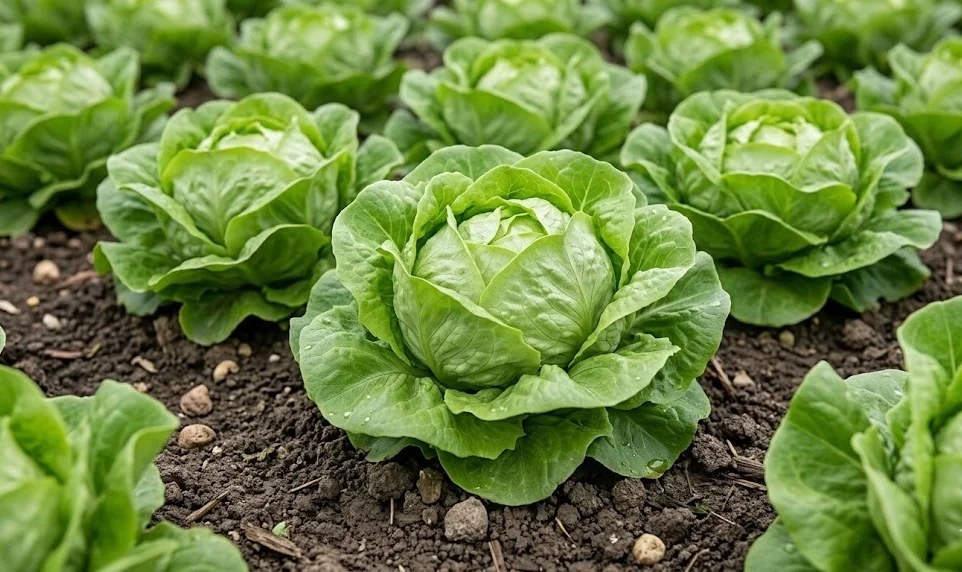

Maintaining the correct balance of moisture and nutrients is fundamental to producing head lettuce that is both crisp and flavor-intensive. Because lettuce is composed of over ninety percent water, any deficit in soil moisture can immediately lead to stunted growth and a bitter taste profile. Professional irrigation strategies focus on consistency rather than volume, ensuring that the root zone remains evenly moist throughout the entire day. Coupled with a precise fertilization program, these practices provide the essential building blocks for rapid and high-quality vegetable production.
The timing of irrigation is a critical factor that can influence both the health of the plant and the efficiency of water usage. Watering in the early morning hours allows the foliage to dry before the sun reaches its peak, which is a key defense against fungal infections. It also ensures that the plants have a full reservoir of moisture to draw upon as transpiration rates increase during the heat of the day. Avoid watering in the late evening, as damp leaves overnight provide an ideal environment for the spread of pathogens such as downy mildew.
Soil composition significantly dictates the frequency and duration of watering required for head lettuce crops. Light, sandy soils drain rapidly and may require more frequent, shorter irrigation cycles to keep the root zone from drying out. Conversely, heavy clay soils hold onto moisture much longer but can easily become anaerobic if overwatered, leading to root rot and nutrient lockout. Regularly checking the soil moisture at a depth of several inches gives a far more accurate picture of the plant’s needs than simply looking at the surface.
Drip irrigation systems are widely considered the gold standard for professional lettuce production due to their precision and water-saving benefits. By delivering water directly to the base of each plant, these systems keep the foliage dry and reduce the loss of water through evaporation. They also allow for the easy integration of water-soluble fertilizers, a process known as fertigation, which ensures nutrients are delivered exactly where they are needed. While the initial setup may be more complex, the long-term benefits in terms of crop health and labor savings are substantial.
Optimizing moisture levels for leaf crispness
The primary objective of a lettuce irrigation program is to prevent the moisture stress that leads to the physiological disorder known as tip burn. This condition occurs when the plant cannot transport calcium to the edges of the leaves quickly enough during periods of rapid growth or high transpiration. Maintaining a very consistent level of soil moisture helps to regulate the flow of water and minerals throughout the plant’s vascular system. Sudden fluctuations between very dry and very wet soil are the most common cause of this frustrating issue for growers.
More articles on this topic
Mulching is a highly effective cultural practice that supports irrigation efforts by reducing surface evaporation and keeping the soil cool. A thick layer of organic material acts as an insulating blanket, protecting the shallow root system of the lettuce from extreme temperature swings. This is particularly important for head lettuce, which prefers a cool root environment even when the air temperature is rising. By keeping the soil surface covered, growers can often reduce their total water consumption while simultaneously improving the quality of their harvest.
Monitoring the electrical conductivity and the pH of the irrigation water is an advanced practice that ensures the water is not negatively impacting soil health. Water that is too alkaline can gradually shift the soil pH, making essential micronutrients like iron and manganese less available to the lettuce. Similarly, high salt levels in the water can cause osmotic stress, making it more difficult for the roots to absorb the moisture they need. Testing the water source annually is a small investment that provides peace of mind and allows for necessary adjustments to be made.
In regions with high rainfall, the focus often shifts from providing water to ensuring that excess moisture can drain away quickly. Raised beds are a professional solution that improves drainage and allows the soil to warm up more rapidly in the early spring. The height of the bed facilitates gravity-driven drainage, ensuring that the lettuce roots never sit in saturated, oxygen-poor soil for long. This architectural approach to gardening provides an extra layer of security against the unpredictable weather patterns that can otherwise ruin a lettuce crop.
Strategic nutrient management and nitrogen delivery
Nitrogen is the primary driver of leaf production in head lettuce and must be managed carefully to ensure rapid, healthy growth. A deficiency in nitrogen is easily recognized by the yellowing of older leaves and a general lack of vigor in the developing head. However, an excess of this nutrient can lead to overly soft tissue that is highly attractive to aphids and more susceptible to disease. The goal of a professional fertilization program is to provide a steady, moderate supply of nitrogen that matches the plant’s growth curve.
More articles on this topic
Phosphorus and potassium also play vital roles in the development of a strong root system and the overall structural integrity of the lettuce plant. Phosphorus is particularly important during the early stages after transplanting, as it helps the young seedlings establish themselves in the soil. Potassium contributes to the regulation of water within the plant cells and helps to improve the crop’s resistance to environmental stress and pathogens. A balanced fertilizer with a slightly higher emphasis on nitrogen is generally the best choice for leafy green production.
Organic amendments such as fish emulsion or compost tea offer a gentle way to provide nutrients while also supporting the biological health of the soil. These liquid fertilizers are rapidly absorbed by both the roots and the foliage, making them excellent choices for correcting minor deficiencies mid-season. They also contain a wide range of micronutrients and beneficial microbes that synthetic fertilizers often lack. Many professional growers use a combination of slow-release granular organic fertilizers at planting and supplemental liquid feeds during periods of peak growth.
The timing of fertilizer applications should be coordinated with the growth stages of the lettuce to maximize efficiency and minimize runoff. An initial application at the time of planting provides the necessary fuel for early leaf development and root expansion. A second, smaller “side-dressing” of fertilizer can be applied just as the heads begin to form to ensure the plant has enough energy to complete its lifecycle. Always water the area thoroughly after applying granular fertilizer to help dissolve the nutrients and carry them down into the root zone.
Identifying and correcting nutrient imbalances
Observing the leaves of the lettuce provides a wealth of information about the nutritional status of the soil and the effectiveness of the fertilization program. Interveinal chlorosis, where the veins remain green while the rest of the leaf turns yellow, is often a sign of magnesium or iron deficiency. Purple tints on the undersides of leaves can indicate that the plant is struggling to take up phosphorus, often due to cold soil temperatures. Being able to read these visual signals allows a professional to intervene before the health of the entire crop is compromised.
Soil testing remains the most reliable method for determining exactly what nutrients are present and in what quantities. A comprehensive test will also provide information on the cation exchange capacity, which indicates the soil’s ability to hold onto nutrients. For professional operations, taking soil samples at the end of each season helps to track nutrient depletion and plan for the following year’s amendments. It is far more cost-effective to apply only the nutrients that are actually missing than to use a generic, one-size-fits-all fertilizer.
The pH level of the soil is the master switch that controls the availability of almost all essential plant nutrients. Lettuce prefers a slightly acidic to neutral soil, typically in the range of 6.0 to 7.0, where nutrient availability is at its highest. If the soil becomes too acidic, nutrients like phosphorus can become chemically locked away, while other elements may reach toxic levels. Regular applications of agricultural lime or sulfur can be used to slowly adjust the pH over time, but these changes should always be based on accurate test results.
Professional growers often maintain a “fertility log” to record all applications, soil test results, and observations of plant health throughout the season. This data-driven approach allows for the continuous refinement of the fertilization program and helps to identify long-term trends in soil health. By understanding the specific needs of head lettuce and the unique characteristics of their own soil, gardeners can achieve a level of consistency and quality that is impossible with a more haphazard approach. Over time, this expertise leads to lower input costs and significantly higher yields of premium produce.
Environmental influences on nutrient uptake
The physical environment of the garden significantly impacts how well head lettuce can access the nutrients provided by the grower. Soil temperature, in particular, plays a major role in the activity of soil microbes that break down organic matter into plant-available forms. In the early spring, cold soil can lead to temporary nutrient deficiencies even if the soil is technically rich in minerals. Utilizing plastic mulches or low tunnels to warm the soil early in the season can significantly improve the nutrient uptake of young lettuce plants.
Humidity and wind speed also influence the rate of transpiration, which in turn drives the movement of water and dissolved nutrients from the roots to the leaves. On very humid days with little air movement, the plant’s ability to pull water through its system is reduced, which can limit the delivery of calcium to the developing head. This is why proper spacing and ventilation are just as important for nutrition as they are for disease prevention. Maintaining a healthy flow of air around the plants ensures that the nutrient delivery system remains active and efficient.
Over-irrigation can be just as detrimental to nutrient management as under-irrigation, primarily through the process of leaching. Excessive water moving through the soil can carry highly mobile nutrients, especially nitrogen, deep into the ground where the lettuce roots cannot reach them. This not only wastes money on fertilizer but can also lead to environmental contamination of local groundwater sources. Managing water precisely ensures that the nutrients stay in the upper layers of the soil where they are most beneficial to the crop.
The presence of a healthy soil microbiome is the secret weapon of professional organic growers for maximizing nutrient efficiency. Mycorrhizal fungi and beneficial bacteria form symbiotic relationships with the lettuce roots, significantly expanding the area from which the plants can draw water and minerals. Avoiding the use of broad-spectrum chemical fungicides and minimizing soil disturbance helps to protect these valuable biological partners. A living soil is far more resilient and capable of supporting a high-quality lettuce crop than a sterile, chemically-dependent medium.