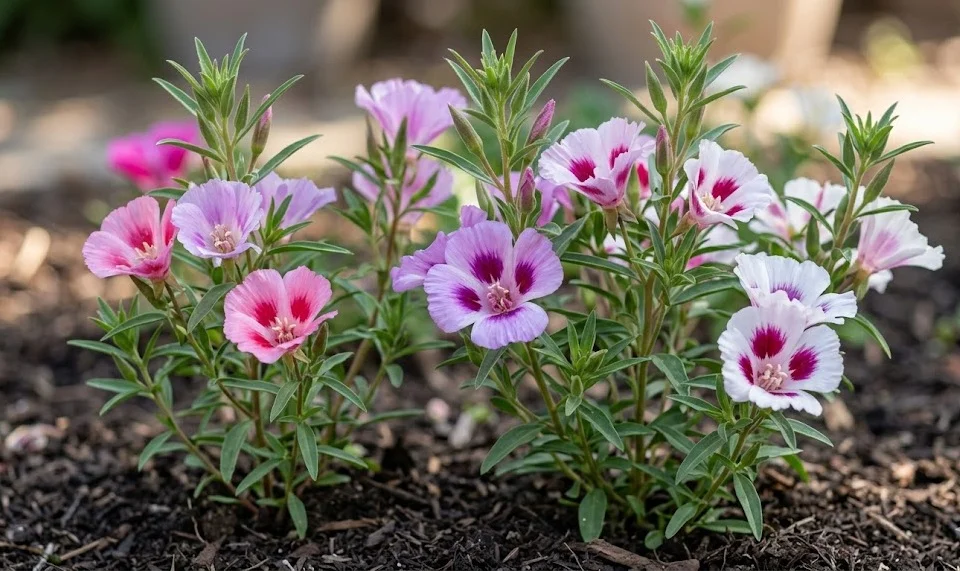

Understanding the lifecycle of godetia is crucial because it is primarily grown as an annual, completing its entire journey from seed to flower in a single season. This means that for most gardeners, the process of overwintering does not involve protecting a living plant, but rather focusing on the preservation of the genetic material for the following year. By focusing on seed security and soil preparation during the colder months, you ensure that your garden will be ready to burst into life once the spring temperatures return. This strategic approach to the off-season is a key part of professional garden management.
Lifecycle understanding
Recognizing that these plants are true annuals helps you set realistic expectations for your autumn garden chores. You should observe how the plant naturally begins to decline after the peak of its flowering period and as the days grow shorter. This phase is not a sign of failure, but a biological signal that the plant has successfully produced the seeds needed for the next generation. Embracing this natural cycle allows you to transition your garden smoothly from the abundance of summer to the quiet of winter.
In very mild climates, there is a possibility that some seeds may sprout in the autumn and attempt to survive the winter as young seedlings. You should be aware that these early starters are often quite vulnerable to hard frosts and heavy snow. Unless you live in a region where winters are exceptionally gentle, these seedlings are unlikely to make it through to the spring without significant protection. For most professional growers, it is more reliable to wait and sow fresh seeds once the winter has truly passed.
The biological strategy of an annual plant is to put all its energy into one spectacular display and the production of robust seeds. You should appreciate the intensity of this growth and how it differs from the slow, steady rhythm of perennial species. Because the plant does not need to store energy in its roots for the winter, it can afford to be much more generous with its floral production. This makes it an ideal choice for creating high-impact, colorful beds that change and evolve every single year.
Understanding the role of cold stratification can sometimes improve the success rate of your spring planting. You should know that some seeds actually benefit from spending a period of time in cold, damp conditions before they are ready to germinate. This natural process mimics the experience of a seed sitting in the soil through a winter season. While not strictly necessary for all varieties, a bit of winter exposure can sometimes result in more vigorous and synchronized sprouting in the spring.
More articles on this topic
Late season preparation
Cleaning the garden beds before the first hard freeze is an essential task for maintaining a healthy and organized outdoor space. You should remove the spent stems and foliage of the annuals once they have finished their work and have been touched by the frost. This removal prevents the buildup of old plant material that can harbor diseases or provide hiding spots for unwanted pests during the winter. A clean slate in the autumn makes it much easier for you to plan and execute your spring garden design.
Testing and amending your soil during the late autumn gives the nutrients plenty of time to integrate into the earth. You should take this opportunity to add a fresh layer of high-quality compost or well-rotted manure to your flower beds. The winter rains and snow will help to carry these beneficial elements down into the root zone where they will be waiting for the next generation of plants. This proactive soil care is one of the most effective ways to ensure a successful and vibrant garden in the coming year.
Protecting the structure of your soil during the winter months involves keeping it covered and undisturbed. You should consider using a layer of organic mulch or even a temporary cover crop to prevent the topsoil from being washed away by heavy rains. Avoiding heavy foot traffic on your garden beds when the ground is wet or frozen helps to prevent compaction and preserves the delicate air pockets within the soil. A well-protected bed remains friable and ready for planting as soon as the spring sun begins to warm the earth.
Organizing your garden tools and supplies at the end of the season is a professional habit that saves you time and frustration later on. You should clean and oil your hand tools, check the condition of your hoses, and store everything in a dry, protected location. This is also a great time to review your inventory of seeds and labels to see what you might need to order for the upcoming year. Starting the new season with clean, functional equipment makes the work of gardening much more efficient and enjoyable for you.
More articles on this topic
Seed saving for spring
Collecting and storing seeds from your own plants is the most direct way to bridge the gap between one growing season and the next. You should wait until the seed pods are completely dry and feel brittle to the touch before you harvest them from the garden. Placing the pods in a paper bag allows any remaining moisture to escape while keeping the small seeds contained and safe. Once the seeds are separated from the pods, they should be stored in a cool, dark, and dry place until the spring planting window opens.
Labeling your seed collections with the specific variety and the date of harvest is a simple but vital part of the overwintering process. You should maintain a clear and organized system so that you know exactly what you are planting when the busy spring season arrives. Keeping a small garden journal with notes on how each variety performed during the previous summer adds even more value to your seed-saving efforts. This continuous record of your garden’s history helps you make more informed decisions and become a more expert grower over time.
Ensuring that your stored seeds remain dry is the single most important factor in maintaining their viability through the winter. You should avoid storing seeds in damp basements or areas with high humidity, as this can cause them to rot or sprout prematurely. Using silica gel packets or even a few grains of dry rice in your seed containers can help absorb any stray moisture that might be present. A dry, stable environment keeps the tiny embryos within the seeds in a state of healthy dormancy until they are needed.
Sharing your extra seeds with friends, neighbors, or local seed banks is a wonderful way to participate in the wider gardening community. You should take pride in the quality of the seeds you have produced and saved from your own successful garden displays. This exchange of genetic material helps to preserve a wide range of flower varieties and ensures that these beautiful plants continue to thrive in many different locations. Being a part of this ancient tradition of seed sharing adds a deeper layer of meaning to your work as a gardener.
Protecting early seedlings
If you live in a region with a very long and mild autumn, you may find that some seeds choose to sprout well before the winter truly begins. You should monitor these unexpected guests and decide if you want to provide them with the extra care they need to survive. Using a cold frame or a small cloche can provide a buffer against the coldest nights and the drying winter winds. While it requires more effort, successfully overwintering these young plants can give you an exceptionally early start on your spring blooms.
Monitoring the moisture levels in the soil during a dry winter is something that many gardeners often forget to do. You should check the ground occasionally, especially if there has been a long period without any rain or snow cover. If the soil becomes bone-dry, even dormant seeds or young seedlings can suffer from dehydration and lose their vigor. A light watering on a relatively warm winter day can provide just enough moisture to keep the garden ecosystem healthy until the spring thaw.
Understanding the impact of “frost heave” is important for protecting any seeds or young plants that are in the ground during the winter. You should be aware that the repeated freezing and thawing of the soil can sometimes push seeds or roots up toward the surface where they are exposed to the air. Adding a layer of mulch in the late autumn helps to insulate the ground and reduce the severity of these temperature fluctuations. This protection keeps the future of your garden safely tucked away under the surface of the earth.
Preparing for the transition back to active growth involves watching the local weather patterns for the first signs of spring. You should be ready to remove any winter covers or extra mulch as soon as the temperatures begin to stabilize and the ground starts to warm up. This timing is critical, as leaving covers on for too long can cause the soil to become too warm or damp, leading to fungal issues for the emerging plants. Your attentive care during this seasonal shift ensures that your garden makes a strong and healthy start to the new year.