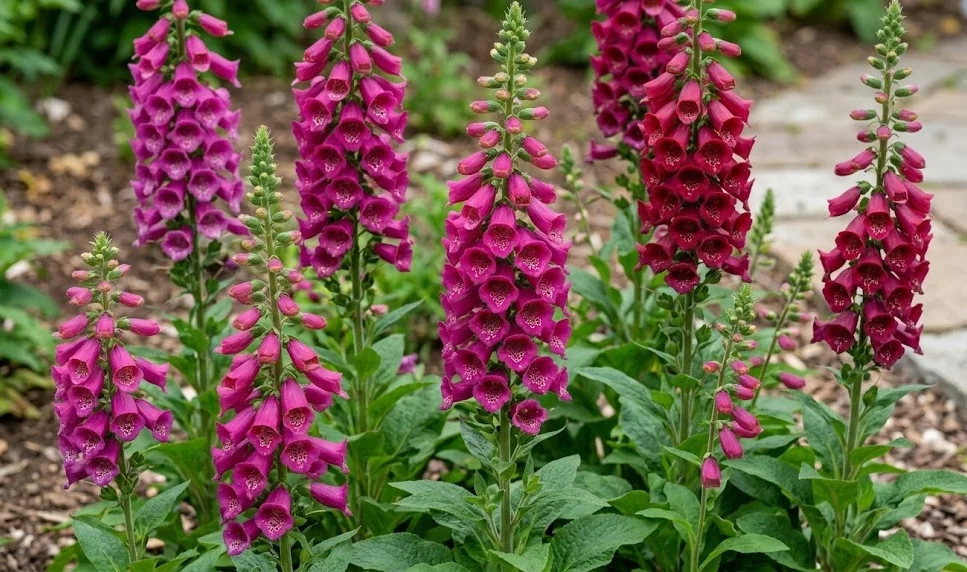

Understanding the specific light requirements of common foxglove is essential for selecting the perfect planting site and ensuring the development of healthy, vibrant flower spikes. These plants are naturally adapted to the “edge-of-the-woods” environment, where they receive a complex mix of shade and sunlight throughout the day. In the garden, replicating this balance is the key to preventing scorched leaves or weak, spindly stems that cannot support themselves. A professional gardener knows that light is not just a source of energy, but a critical environmental signal that governs the plant’s entire life cycle.
The ideal light condition for Digitalis purpurea is generally described as partial shade or dappled sunlight, particularly in regions with hot, intense summers. This means the plants should receive around four to six hours of direct sun, preferably during the cooler morning hours, followed by filtered light for the rest of the day. This balance allows the plant to photosynthesize efficiently while protecting its large, moisture-rich leaves from the desiccating effects of the midday sun. In cooler climates, they can often tolerate more direct sun, provided the soil remains consistently moist and cool.
Light also plays a major role in the structural development of the plant, especially the orientation and height of the central flower stalk. Like many plants, foxgloves are phototropic, meaning they will grow toward the strongest source of light available to them. If planted in too much shade, the stalks will become excessively long and thin as they “reach” for the sun, making them much more likely to fall over. Conversely, adequate light ensures a thick, sturdy stem and a dense cluster of floral bells that are evenly distributed around the spike.
The relationship between light and soil moisture is another important consideration when choosing a location for common foxglove. In a sunnier spot, the plant will use water much more quickly, requiring more frequent irrigation and a thicker layer of protective mulch. In a shadier location, the soil will stay damp for longer, which can be a benefit during a drought but may increase the risk of root rot during wet periods. Finding the “sweet spot” where light and moisture are in perfect harmony is the hallmark of a skilled and observant horticulturist.
Optimal exposure levels for flowering
To achieve the most spectacular floral display, common foxgloves need enough light to trigger the complex hormonal changes required for blooming. While the rosettes can survive and even look quite healthy in deep shade, they will often fail to produce a significant flower spike in their second year. The energy stored in the roots during the first year is directly related to the amount of light the leaves were able to capture and convert into sugars. Therefore, a bright but sheltered location is the best choice for those who prioritize the visual impact of the flowers.
More articles on this topic
In the height of summer, the quality of the light is just as important as the quantity, as the ultraviolet rays can be very intense. In professional landscape design, foxgloves are often placed on the eastern side of buildings or under the high canopy of deciduous trees. This positioning provides the bright morning light that stimulates growth while offering protection during the hottest part of the afternoon. This strategy mimics their natural habitat on the fringes of forests, where they are protected from the worst of the summer heat.
The color and clarity of the flowers can also be influenced by the light levels in the garden, with some varieties showing more intense pigmentation in brighter spots. However, if the light is too intense and the air is too dry, the delicate bells may fade or brown prematurely, shortening the overall blooming period. Many gardeners find that a “moving shade” pattern, where the light changes throughout the day, produces the longest-lasting and most beautiful displays. This dynamic lighting keeps the plants active and healthy without ever pushing them beyond their physiological limits.
If you are growing foxgloves for cut flowers, managing the light levels is even more critical to ensure straight, strong stems that will look good in a vase. Commercial growers often use shade cloth or specific orientations of their planting beds to control the light and produce a more uniform crop. For the home gardener, simply being aware of how the shadows move across your garden during the spring and summer will help you find the best spots. It is a simple but effective way to improve the quality of your garden’s most dramatic vertical accents.
Managing shade conditions and leaf health
Deep, heavy shade is generally the most challenging environment for common foxglove, as it leads to a host of structural and health problems. In low-light conditions, the leaves of the rosette will often become very large and thin as the plant tries to maximize its surface area for light capture. These “stretched” leaves are more susceptible to physical damage and are much more likely to be attacked by fungal pathogens like powdery mildew. If your foxgloves are looking pale and leggy, it is a clear indication that they need to be moved to a brighter location.
More articles on this topic
One way to improve the light levels in a shady garden is to perform “crown lifting” on the surrounding trees and shrubs. By removing the lower branches of the canopy, you can allow more light to reach the garden floor without losing the cooling benefits of the shade. This simple arboricultural task can transform a dark, damp corner into a thriving woodland garden where foxgloves and other shade-loving perennials can flourish. It is a professional technique that benefits the entire garden ecosystem, not just the individual plants.
Another strategy for managing shade is to use reflective surfaces, such as light-colored walls or garden mirrors, to bounce more light into the darker corners of the landscape. While this may seem like a minor adjustment, it can significantly increase the ambient light levels available to the plants. Using light-colored mulches, like pale wood chips or crushed stone, can also help brighten up the area and reflect some light onto the undersides of the leaves. These subtle interventions can make a big difference in the vigor and health of foxgloves in marginal light conditions.
It is also important to remember that the light requirements of the foxglove change as the seasons progress and the sun’s path across the sky shifts. A spot that is perfectly dappled in the early spring may become much shadier in the summer as the trees fully leaf out. Conversely, a spot that is too sunny in the spring might be perfectly shaded by a neighboring perennial later in the season. Successful gardening with foxgloves involves anticipating these changes and choosing a site that offers the best possible conditions throughout the entire growing season.
Sunburn prevention and heat stress
While common foxgloves are quite resilient, they can suffer from “sunburn” if they are suddenly moved from a shady nursery to a spot with intense, direct sunlight. This appears as bleached or brown, crispy patches on the leaves where the cellular structure has been destroyed by excessive radiation. To prevent this, it is vital to “harden off” new plants by gradually increasing their exposure to the sun over a period of seven to ten days. This allow the leaves to build up their natural protective pigments and adjust their metabolic processes.
Heat stress is often closely linked to light exposure, as direct sun significantly increases the leaf temperature and the rate of water loss. If the plant cannot move water from its roots to its leaves fast enough to keep up with evaporation, the cells will lose their internal pressure and the plant will wilt. While temporary wilting in the afternoon is a natural defense mechanism, prolonged or frequent wilting will weaken the plant and reduce its floral potential. Providing extra water and a cooling mulch is the best way to support a foxglove that is growing in a sunnier-than-ideal position.
In particularly hot climates, some gardeners use temporary shade structures made of lattice or horticultural mesh to protect their foxgloves during heatwaves. This can be especially useful for preserving the beauty of the flower spikes when the temperatures soar in late June or July. These structures can be easily removed once the weather cools down, allowing the plants to continue their natural growth. It is a high-level care technique that ensures your garden remains a showstopper even in the most challenging summer conditions.
Observation of the plant’s response to light is the best tool a gardener has for fine-tuning the exposure levels in their landscape. If the leaves are turning a reddish or purplish color, it may be a sign of light-induced stress, as the plant produces anthocyanins to protect itself from excessive UV rays. If the plant is leaning heavily in one direction, it is telling you exactly where the light it needs is coming from. By “listening” to these signals, you can become a more effective and successful grower of the majestic common foxglove.