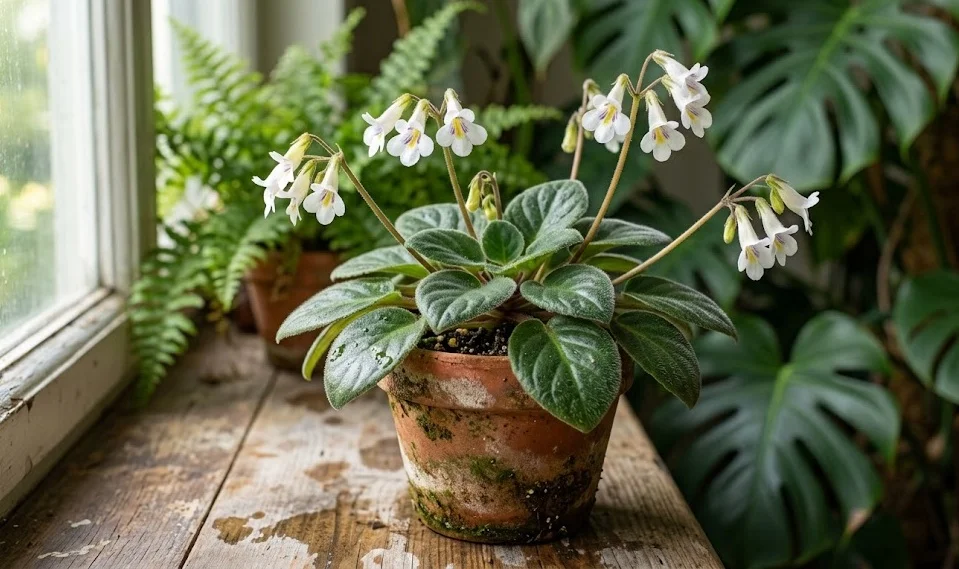

As the autumn days grow shorter and the air begins to cool, your vietnamese primrose will naturally start to slow its growth. This is a critical time for you to adjust your care routine to match the plant’s changing metabolic needs. You should begin by gradually reducing the frequency of your watering as the evaporation rate decreases. This preparation helps the plant enter its resting phase without the shock of a sudden change in its environment.
Inspect your plant thoroughly for any signs of pests or diseases before the winter truly sets in. Insects can multiply quickly in the warm, dry air of a heated home during the colder months of the year. It is much easier to deal with a small problem now than to try and save a weakened plant in mid-winter. Cleaning the leaves and removing any debris from the soil surface are also essential steps in this process.
You should stop all fertilization at least a month before the shortest day of the year arrives in December. Feeding a plant during the low-light winter season can encourage weak and spindly growth that is prone to damage. The goal of overwintering is to maintain the plant’s health rather than pushing it to produce new leaves or flowers. Patience is a virtue during this period of rest, and your plant will reward you for it later.
Check the insulation of your windows and doors to ensure that no cold drafts will reach your sensitive tropical plants. Even a few minutes of exposure to freezing air can cause permanent damage to the delicate foliage and root system. You might consider moving your primrose a few centimeters away from the glass to provide a small buffer of warmer air. A stable temperature is one of the most important factors for successful overwintering in any climate.
Managing winter temperatures and light
During the winter, your primrose will be happiest in temperatures that are slightly cooler than those of the summer months. An ideal range is between sixteen and twenty degrees Celsius, which mimics the natural seasonal cycle of its native habitat. Avoid placing the plant near heat sources like fireplaces or radiators, as these can dry out the soil and air too quickly. A consistent, moderate temperature will help the plant stay healthy and vibrant throughout the entire winter.
More articles on this topic
Light levels drop significantly during the winter, which can be a challenge for many indoor flowering plants. You may need to move your vietnamese primrose to your brightest window, typically one that faces south or west in the northern hemisphere. Even if the sun feels weak, that extra bit of natural energy can make a huge difference in the plant’s survival. Be sure to clean the window glass to ensure that as much light as possible can reach the leaves.
If your home is particularly dark, you might consider using a small LED grow light to supplement the natural winter sun. These lights are very efficient and can provide the specific wavelengths that the plant needs to maintain its green color. Position the light about thirty centimeters above the plant and keep it on for about eight to ten hours a day. This is a professional solution for keeping your collection in top shape when the outdoor days are short.
Keep in mind that while the plant needs light, it still requires a period of darkness every night to rest. Never leave your grow lights on for twenty-four hours, as this can confuse the plant’s natural internal clock. A simple timer can automate this process, ensuring that your primroses get a consistent cycle of light and dark. Following these natural patterns is the best way to keep your indoor garden thriving through the darkest months.
Hydration and humidity in the heating season
The biggest challenge for most indoor plants during the winter is the extremely dry air caused by central heating systems. Low humidity can cause the edges of the primrose’s leaves to turn brown and become very brittle over time. You should try to keep the humidity around the plant at at least forty or fifty percent if possible. Using a humidifier or a pebble tray is an effective way to combat the drying effects of your home’s heater.
More articles on this topic
Watering becomes a more delicate task when the plant is resting and the light levels are at their lowest. You should always wait until the soil feels quite dry before adding any more water to the pot. The risk of root rot is much higher in the winter because the plant is not using water nearly as fast. Use room-temperature water to avoid shocking the roots with a sudden blast of cold from the tap.
Avoid misting the leaves of your vietnamese primrose, as this can lead to fungal problems in the cooler winter air. If water sits on the foliage without evaporating quickly, it provides a perfect environment for mold and mildew to grow. It is much better to increase the humidity of the entire room or use a tray of water underneath the pot. Keeping the leaves dry is a simple but effective way to ensure a healthy plant throughout the season.
Grouping your plants together during the winter can help create a small, humid microclimate that benefits everyone in the group. As the plants breathe, they release moisture into the air, which is then shared with their neighbors in the collection. This natural synergy is a great way to help your more sensitive species survive the harshest indoor conditions. Just make sure there is still enough space for air to circulate gently between the individual pots.
Transitioning back to spring growth
As the days begin to lengthen in late February, you will start to see the first signs of renewed life in your primrose. Small, bright green leaves will appear at the center of the rosette, signaling that the resting phase is over. This is the time to gradually increase your watering frequency to support the new growth that is starting. You can also move the plant back to its regular summer location if you moved it for the winter.
Wait until you see consistent new growth before you begin your regular fertilization schedule for the year. Start with a very weak solution of balanced fertilizer to gently wake up the roots and provide some initial nutrients. As the weather warms up, you can slowly increase the strength to the levels you use during the peak growing season. This gradual approach prevents any sudden nutrient shocks to the plant’s system as it starts to grow.
Early spring is also the ideal time to check if your vietnamese primrose needs to be repotted into a larger container. If the roots are starting to grow out of the drainage holes, it is a clear sign that the plant needs more space. Use fresh, high-quality potting mix to give the plant the best possible start for the new growing year. Repotting in spring allows the plant to establish its roots in the new soil just as its metabolism is peaking.
Once the danger of frost has passed and the nights are warm, the plant will be fully back in its active phase. You can now resume your full care routine and look forward to a beautiful season of abundant white flowers. The successful overwintering of a delicate plant like the vietnamese primrose is a true mark of an expert gardener. Your careful attention during the dark months has ensured another year of beauty for your indoor collection.