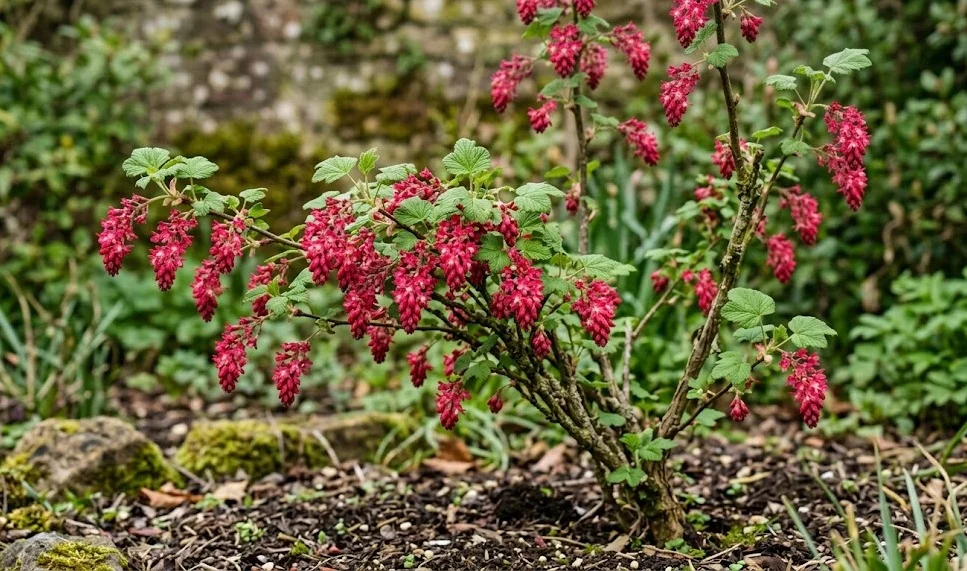

Protecting the health of this ornamental shrub requires a proactive approach to identifying and managing common biological threats that can compromise its aesthetic and structural integrity. Professionals emphasize the importance of integrated pest management, which combines cultural, biological, and chemical strategies to maintain a balanced garden ecosystem. By understanding the specific vulnerabilities of the species, you can intervene early and effectively before minor issues escalate into significant problems. This comprehensive overview covers the most prevalent diseases and pests, offering expert advice on prevention and treatment.
Common fungal issues and foliar diseases
One of the most frequent challenges faced by gardeners growing this species is the emergence of various fungal pathogens that affect the leaves and stems. Powdery mildew is often observed during periods of high humidity and warm temperatures, manifesting as a white, flour-like coating on the foliage. While it rarely kills the plant, a severe infection can stunt growth and significantly reduce the ornamental value of the shrub. Ensuring adequate spacing and choosing a location with excellent air circulation are the most effective ways to prevent this common issue from taking hold.
Leaf spot diseases, caused by various fungal species, typically appear as small, dark lesions that may eventually lead to premature leaf drop. These pathogens often overwinter in fallen debris, which highlights the extreme importance of maintaining a clean garden environment around the base of the plant. If spotted early, removing the most affected leaves can help slow the spread of the infection to the rest of the canopy. In cases of persistent outbreaks, applying an approved fungicide in early spring can provide a protective barrier for the new growth.
Rust is another fungal concern that can be identified by the presence of orange or yellowish pustules on the underside of the leaves. This specific type of fungus often requires an alternate host, such as certain pine species, to complete its complex lifecycle. If rust becomes a recurring problem, it may be necessary to investigate the surrounding landscape for these secondary hosts. Maintaining the overall vigor of the shrub through proper watering and nutrition makes it much more resilient to these types of foliar attacks.
Anthracnose can also affect the stems and leaves, causing sunken lesions and occasionally leading to dieback of the smaller branches. This disease is most active during cool, wet spring weather and can spread rapidly through splashing rain or overhead irrigation. Pruning out infected wood during the dormant season is a critical step in managing the pressure of this particular pathogen. Always sterilize your pruning tools between cuts to ensure that you are not inadvertently spreading the spores to healthy parts of the plant.
More articles on this topic
Identifying and managing aphid infestations
Aphids are among the most common insect pests that target the succulent new growth of this shrub during the spring and early summer months. these small, soft-bodied insects congregate on the undersides of leaves and at the tips of new shoots to suck the nutrient-rich sap. A severe infestation can cause the leaves to curl, yellow, and become deformed, which detracts from the plant’s overall health and appearance. Furthermore, aphids excrete a sticky substance known as honeydew, which can lead to the growth of unsightly black sooty mold on the foliage.
Regular monitoring of the new growth allows for the detection of aphids before their population reaches a level that causes significant damage. In many cases, a strong stream of water from a garden hose can be used to physically dislodge the insects and reduce their numbers. Encouraging natural predators, such as ladybugs, lacewings, and hoverflies, provides a sustainable and effective long-term control strategy. These beneficial insects are often more than capable of keeping aphid populations in check without the need for chemical intervention.
If biological controls are not sufficient, applying insecticidal soap or neem oil can offer a more direct approach to managing the infestation. These products work by coating the insects and disrupting their respiratory systems, making them an effective choice for localized outbreaks. It is important to apply these treatments in the early morning or evening to avoid harming bees and other pollinators that visit the flowers. Repeat applications may be necessary as new generations of aphids hatch and attempt to recolonize the plant.
Professional gardeners also watch for the presence of ants, which often “farm” aphids for their honeydew and protect them from natural predators. Controlling the ants can sometimes lead to a dramatic decrease in the aphid population as the predators are finally able to reach their prey. Avoid excessive use of nitrogen-rich fertilizers, as the resulting lush, soft growth is particularly attractive to these sap-sucking pests. A balanced approach to nutrition and vigilant monitoring remains the best defense against these ubiquitous garden insects.
More articles on this topic
Scale insects and mite complications
Scale insects can be particularly difficult to detect because they often blend in with the bark of the stems and remain stationary for most of their lives. These pests appear as small, waxy bumps and can slowly drain the vitality of a shrub by feeding on its vascular system. A heavy scale infestation can lead to branch dieback, reduced flowering, and an overall decline in the plant’s vigor over several seasons. Because of their protective outer shells, scale insects are resistant to many standard contact insecticides during their adult stage.
The most effective time to treat scale is during the “crawler” stage, when the young insects are mobile and lack their protective waxy coating. This usually occurs in late spring or early summer, depending on the specific species of scale and the local climate. Using horticultural oils during the dormant season can also be highly effective, as the oil suffocates the overwintering adults and eggs on the bark. Regular pruning to remove the most heavily infested branches can also help manage the overall population within a large specimen.
Spider mites are another potential issue, especially during hot, dry summer weather when the plant may already be experiencing some environmental stress. These tiny arachnids are often too small to see with the naked eye, but their presence is signaled by fine webbing and a stippled, bronzed appearance of the leaves. Increasing the local humidity by occasionally misting the foliage or ensuring the soil remains moist can make the environment less hospitable for mites. Severe cases may require the application of specific miticides that are designed to target these resilient pests.
Effective management of mites and scale requires a patient and persistent approach to treatment and monitoring. Because these pests often hide in the crevices of the bark or on the undersides of leaves, thorough coverage is essential for any applied treatments. Keeping the shrub well-hydrated and properly nourished ensures that it can withstand minor infestations without suffering significant long-term damage. A healthy plant is always the first line of defense against the diverse array of pests that inhabit the garden landscape.
Preventative organic measures and sanitation
The cornerstone of a professional plant health program is the implementation of preventative measures that reduce the likelihood of disease and pest outbreaks. Sanitation is perhaps the most critical component, involving the regular removal of fallen leaves, spent flowers, and dead wood from the garden. These materials often serve as reservoirs for fungal spores and overwintering sites for various insect larvae that can emerge the following spring. By keeping the area around the base of the shrub clean and clear, you significantly disrupt the lifecycle of many common pathogens.
Proper spacing and pruning techniques are equally important for maintaining a healthy environment within the plant’s canopy. An open structure allows for maximum light penetration and air movement, which helps the foliage dry quickly after rain or dew. This simple cultural practice is one of the most effective ways to prevent the development of powdery mildew and other foliar diseases. Avoid planting the shrub in crowded corners or under the dense shade of larger trees where the air remains stagnant and humid for long periods.
Choosing resistant varieties when adding new specimens to the garden can also provide a significant advantage in the long-term management of plant health. Many modern cultivars have been bred specifically for their ability to withstand common local diseases without the need for intensive intervention. Consulting with local nursery experts or botanical gardens can help you identify which selections are most successful in your specific geographic region. Investing in healthy, robust plant material from the start saves a significant amount of time and resources in the future.
Finally, regular soil testing and proper fertilization ensure that the shrub has the necessary building blocks to maintain its natural defense systems. A plant that is suffering from nutritional deficiencies or water stress is much more likely to fall victim to opportunistic pests and diseases. Use organic mulches to support a healthy soil microbiome, which can actually help suppress certain soil-borne pathogens through natural competition. This holistic approach to garden management fosters a resilient ecosystem where plants can thrive with minimal external support.
Curative chemical and biological treatments
When preventative measures are not enough to contain an outbreak, it may be necessary to employ more direct curative treatments to save the specimen. Biological controls, such as the release of beneficial predatory insects, offer a targeted and environmentally friendly way to manage specific pest populations. These natural enemies can be purchased from professional suppliers and integrated into the garden to provide ongoing protection against aphids, mites, and scale. This method requires patience, as it takes time for the predator population to establish itself and begin having a measurable impact.
For severe fungal infections, the application of approved fungicides may be required to prevent the complete defoliation or death of the shrub. It is essential to correctly identify the specific pathogen before selecting a product to ensure that the treatment will be effective. Many modern fungicides are systemic, meaning they are absorbed by the plant and provide protection from the inside out for several weeks. Always read and follow the label instructions carefully to protect your own health and the surrounding environment from unnecessary chemical exposure.
In cases of localized infestations or diseases, surgical pruning can often be the most effective and least invasive curative action. Removing an infected branch back to healthy wood can stop the spread of a pathogen through the plant’s vascular system. Be sure to make clean cuts and immediately dispose of the diseased material by burning it or placing it in the trash rather than the compost pile. This immediate removal of the source of infection is a key strategy for protecting the rest of the garden from contamination.
The decision to use chemical treatments should always be viewed as a last resort in a professional integrated pest management plan. Whenever possible, choose products that have the lowest impact on non-target species and the broader ecosystem. Monitoring the plant closely after any treatment is essential to evaluate the effectiveness of the intervention and determine if follow-up actions are needed. By combining technical expertise with a thoughtful approach to garden ecology, you can successfully navigate the challenges of pests and diseases.