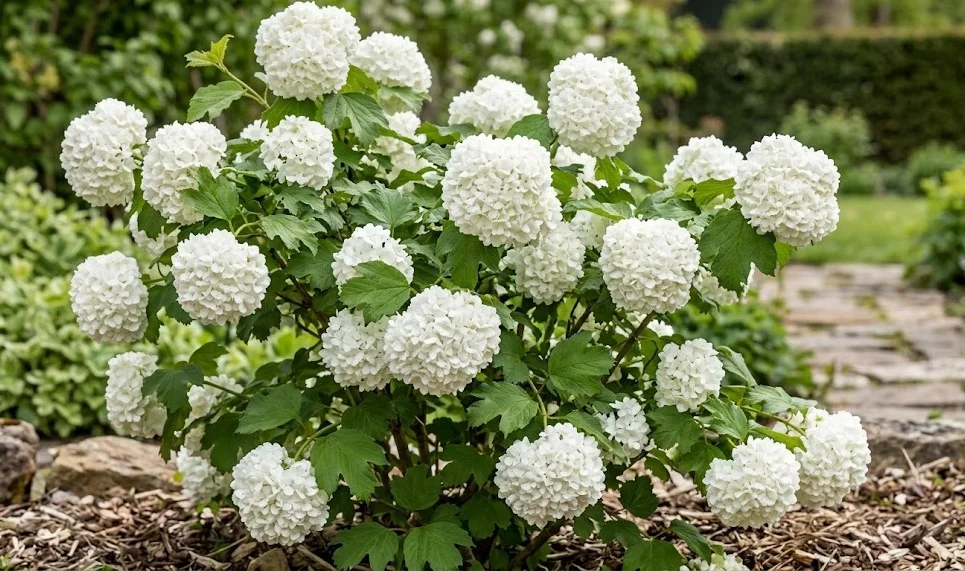

Preparing the snowball bush for the cold months is an essential task for ensuring that it emerges in the spring with its health and blooming potential intact. While this variety is generally very hardy and can withstand freezing temperatures, the challenges of winter involve more than just the cold air itself. You must consider the effects of drying winds, heavy snow loads, and the potential for “freeze-thaw” cycles that can stress the plant’s tissues. A few thoughtful steps taken in the late autumn can make a significant difference in how well your shrub survives the harshest time of the year.
The process of overwintering actually begins long before the first frost arrives, as the plant naturally starts to shut down its growth in response to shorter days. During this transition, the green stems begin to “harden off,” turning into woody structures that are much better equipped to handle sub-zero temperatures. You can assist in this natural process by avoiding any heavy pruning or high-nitrogen fertilization after the middle of the summer season. By letting the plant enter dormancy on its own schedule, you are giving it the best possible start for the winter ahead.
One of the greatest risks to woody shrubs in the winter is desiccation, or drying out, which happens when the roots cannot pull moisture from the frozen ground. This is especially problematic during sunny, windy days when the branches lose water through their bark and dormant buds faster than it can be replaced. Ensuring that the plant is well-hydrated before the ground freezes solid is one of the most important things you can do to prevent winter dieback. A final deep soak in the late autumn provides a vital reservoir of moisture that the plant can draw upon throughout the dormant period.
Finally, the physical protection of the root zone and the lower stems can provide an extra layer of safety against extreme temperature fluctuations in the soil. Using a thick layer of organic mulch acts like an insulating blanket, keeping the ground temperature more stable and preventing the “heaving” that can expose delicate roots. Whether you live in a region with mild winters or one that experiences deep freezes, these simple preparations will ensure your snowball bush remains a strong and vibrant part of your landscape. With a bit of foresight, you can rest easy knowing your garden is ready for whatever winter brings.
Soil and root zone preparation
The health of the root system during the winter is the foundation for the vigorous growth you expect to see when spring finally arrives. As the autumn leaves fall, you should take the opportunity to clean up any debris around the base of the shrub to prevent the nesting of rodents or the harboring of diseases. Once the area is clear, check the moisture level of the soil one last time to make sure it isn’t entering the winter in a state of deficit. If the autumn has been particularly dry, give the shrub a thorough watering to saturate the root zone deeply before the first hard freeze.
More articles on this topic
Applying a fresh layer of mulch is perhaps the most effective single step you can take to protect the roots from the stresses of the winter season. A layer of bark, wood chips, or shredded leaves about five to ten centimeters thick provides excellent insulation and helps maintain a consistent soil temperature. You should spread the mulch out to the “drip line” of the shrub but keep it a few centimeters away from the actual stems to prevent bark rot. This protective layer also helps retain the moisture you provided in your final watering, making it available to the plant for a longer period.
Soil heaving is a common winter problem where the repeated freezing and thawing of the ground pushes the soil—and sometimes the plant’s roots—upward. This can leave the sensitive root tissues exposed to the frigid air and the drying effects of the winter sun, which can be fatal for young or stressed shrubs. A thick mulch layer significantly reduces this risk by slowing down the rate at which the ground freezes and thaws throughout the winter. If you do notice any exposed roots during a mid-winter thaw, simply cover them back up with a bit of soil or additional mulch.
In areas where the soil is naturally very heavy or prone to waterlogging, you should also ensure that winter drainage is adequate for your snowball bush. Standing water that freezes into a solid block of ice around the roots can be very damaging, as it deprives the plant of oxygen and can cause physical damage to the root tissues. If necessary, you can create small drainage channels to lead melting snow away from the base of the plant during the late winter thaws. Managing the subterranean environment is just as important in the winter as it is during the peak of the growing season.
Physical protection for the branches
While the snowball bush is hardy, its architectural form can sometimes be vulnerable to the physical weight of heavy, wet snow or ice. If you live in a region where winter storms are common, you should keep an eye on your shrub and gently brush off excess snow after a heavy downfall. Use a broom or your hands to lift the branches from underneath rather than shaking them, which can cause the brittle, cold wood to snap. Preventing branch breakage is key to maintaining the beautiful arching shape that makes this variety so attractive in the garden.
More articles on this topic
For younger plants or those in particularly exposed locations, you might consider creating a temporary windbreak to protect them from the drying effects of winter gales. This can be as simple as driving a few stakes into the ground and wrapping them with burlap or a specialized garden fabric to create a screen. Avoid wrapping the plant too tightly, as you still want air to circulate around the branches to prevent the buildup of moisture and subsequent fungal issues. A bit of shelter can significantly reduce the amount of tip dieback you see when the plant begins to leaf out in the spring.
The bright winter sun can also cause a phenomenon known as “sunscald” on the bark of younger shrubs, especially on days when the air is very cold but the sun is intense. This happens when the sun warms the bark enough to “wake up” the cells, which are then killed when the temperature drops rapidly as soon as the sun goes down or a cloud passes. While more common on trees, a snowball bush in a very sunny spot might benefit from a light wrap or a bit of shade during the coldest months. Most established specimens are thick enough to handle this on their own, but it is something to watch for on newer additions.
If you have used any decorative lights on your shrub for the holidays, be sure to remove them carefully before the spring growth starts to emerge. Leaving wires or ties on the branches can eventually “girdle” the stems as they expand, cutting off the flow of water and nutrients to the leaves. It is also a good idea to check for any branches that might have been bent out of place by the winter weather and gently prune them back to a healthy bud. Physical maintenance during the winter is mostly about being an observant guardian of your plant’s structural integrity.
Managing pests and wildlife in winter
Winter is a time when some pests, particularly rodents like voles and rabbits, may turn to the bark of your snowball bush as a source of food. When the ground is covered in snow and other food sources are scarce, these animals can quickly “girdle” a shrub by chewing away the bark all the way around the base. You can prevent this by installing a simple cylinder of hardware cloth or fine wire mesh around the lower stems of the plant. Make sure the barrier is tall enough to reach above the expected snow line and is buried a few centimeters into the ground for maximum protection.
Insect pests also have various strategies for overwintering on or near your snowball bush, waiting for the warmth of spring to begin their next life cycle. This is the ideal time to inspect the twigs for the egg masses of the viburnum leaf beetle, which appear as small, dark bumps often covered in a bit of chewed bark. By pruning out these infested tips during the dormant season, you can significantly reduce the pest population before they ever have a chance to hatch. This simple bit of “winter cleaning” is one of the most effective ways to ensure a healthy start for the coming year.
Fungal spores also linger on dead leaves and fallen fruit, so a thorough cleanup of the area around the bush in the late autumn is highly beneficial. Removing this “inoculum” reduces the chances of diseases like powdery mildew or leaf spot returning as soon as the weather becomes warm and humid. If you had a particularly bad year with diseases, you might even consider a dormant spray of horticultural oil or a copper-based fungicide to kill off overwintering spores. These preventative measures are much easier to perform while the plant is bare and you have full access to all the branches.
Birds can be a welcome sight in the winter garden, and many will use the dense branches of the snowball bush as a sheltered place to rest or to look for food. While they won’t harm the plant, their presence is a sign that your garden is providing a valuable habitat even during the coldest months of the year. Encouraging these natural predators is part of a long-term strategy for maintaining a healthy and balanced garden environment. Watching the winter life in your garden can be a great way to stay connected to your landscape while you wait for the return of spring.
Transitioning from winter to spring
As the days begin to lengthen and the first signs of spring appear, your snowball bush will start the slow process of waking up from its dormant state. You should resist the urge to remove the protective mulch or windbreaks too early, as late-season frosts can still be quite damaging to emerging buds. Wait until you see the buds consistently swelling and the danger of a deep freeze has passed before you perform your final winter cleanup. This cautious approach ensures that the plant is not “tricked” into growing too quickly before the environment is truly ready to support it.
The first task of the new season is usually a light pruning to remove any tips that may have died back or been damaged by the winter winds. You can easily tell which parts are dead by gently scratching the bark; if you see green underneath, the branch is still alive and ready to grow. This is also a good time to reassess the overall shape of the shrub and to make any small adjustments before the foliage hides the structure of the branches. Pruning while the plant is still mostly dormant is less stressful and allows the wounds to heal quickly as the sap begins to rise.
Check the soil moisture once the ground has fully thawed, as the spring winds can be very drying even if the air temperature is still relatively cool. If the spring starts off dry, you may need to provide some supplemental water to help the plant push out its new leaves and flower buds. This early hydration is critical for the development of the massive “snowballs” that make this shrub such a prized possession in many gardens. A strong, well-watered start in the spring is the best reward for all the care you took during the long winter months.
Finally, take a moment to appreciate the resilience of your snowball bush as it emerges from its winter rest, ready to start the cycle of life once again. Every year is slightly different, and observing how the plant reacts to the changing seasons will make you a better and more intuitive gardener. The successful overwintering of your shrubs is a testament to your partnership with the natural world and your dedication to the beauty of your landscape. Soon enough, the bare branches will be covered in green leaves and the spectacular white blooms that are the highlight of the gardening year.