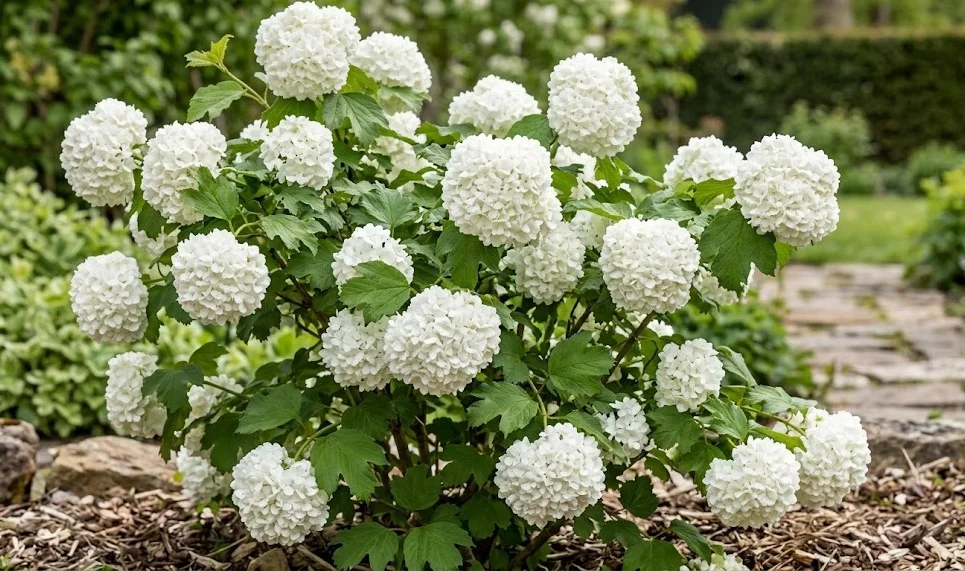

Correct hydration and nutrition are the twin pillars that support the vibrant life and spectacular blooming of the snowball bush. Because this shrub produces such massive amounts of foliage and large floral clusters, its demand for resources is naturally higher than that is of many smaller garden plants. You must develop a watering and feeding routine that responds to the changing needs of the seasons and the specific conditions of your local environment. Achieving this balance will result in a plant that is not only beautiful but also resilient against pests and diseases.
The quality of the water you use and the method by which you apply it can make a significant difference in the health of your ornamental shrubs. Most gardeners find that deep, infrequent watering is far more effective than shallow, daily irrigation which often fails to reach the lower root zone. By saturating the soil deeply, you encourage the roots to grow downward, creating a more stable and drought-tolerant plant in the long run. During the heat of the summer, this becomes even more important as the surface soil dries out rapidly under the sun.
Consistency is key when it comes to the moisture levels around the base of your snowball bush throughout the growing year. While the plant can tolerate some variation, extreme cycles of drying out followed by heavy flooding can stress the vascular system and lead to leaf scorch. You should try to keep the soil consistently moist, similar to the feel of a wrung-out sponge, which provides the ideal environment for nutrient uptake. Monitoring the soil manually by sticking a finger a few inches into the earth is often the best way to tell if it is time to water.
Feeding your plants is not just about growth; it is about providing the building blocks for the cellular structure and the chemical processes that drive flowering. A well-fed snowball bush will have thicker leaves, stronger stems, and a much more impressive display of its iconic white flower balls. However, over-fertilization can be just as damaging as neglect, potentially causing “burn” on the roots or encouraging weak, leggy growth that is susceptible to damage. Finding the “sweet spot” of nutrition is one of the hallmarks of an experienced and successful gardener.
Establishing a watering schedule
Your watering schedule should always be flexible and based on the actual weather conditions rather than a rigid calendar of days. During the cool, damp days of spring, the plant may need very little extra water, but as the temperatures rise in June, you will need to increase your frequency. You should always aim to water in the early morning hours, which allows the foliage to dry out before evening and reduces the risk of fungal infections. Avoid watering during the hottest part of the afternoon, as much of the moisture will simply evaporate before it can reach the roots.
More articles on this topic
The age of your snowball bush also plays a vital role in determining how much water it will require to stay healthy and productive. Newly planted shrubs have limited root systems and need much more frequent attention to ensure they do not dry out during their first two years in the garden. Once a plant is fully established, it becomes much more self-sufficient, but it will still appreciate a good soak during prolonged dry spells. Pay close attention to the leaves; if they start to droop or lose their shine, the plant is likely telling you that it needs a drink.
Using mulch is one of the most effective ways to make your watering efforts more efficient and to protect the soil structure from erosion. A thick layer of bark chips, straw, or compost around the base of the shrub acts as an insulating blanket that keeps moisture in the ground. It also prevents the soil from becoming too hot during the summer, which can stress the delicate feeder roots near the surface. You will find that mulched plants require significantly less frequent watering than those left with bare soil exposed to the elements.
For those with large gardens or multiple specimens, installing a simple drip irrigation system can save a tremendous amount of time and effort. These systems deliver water directly to the soil at a slow, steady rate, ensuring that every drop is used effectively by the plant. This method also keeps the water off the leaves, which is a major advantage for preventing common leaf spot diseases that thrive in damp conditions. Whether you use a hose or an automated system, the goal remains the same: a deep, satisfying drink for your beautiful snowball bush.
Understanding nutrient needs
To feed your snowball bush effectively, you need to understand the three primary numbers found on most fertilizer packages: nitrogen, phosphorus, and potassium. Nitrogen is essential for the lush green growth of the leaves and stems that form the backdrop for the flowers. Phosphorus is the key ingredient for strong root development and, most importantly, for the production of the flower buds themselves. Potassium helps with the overall health of the plant, including its ability to resist diseases and withstand temperature extremes during the winter.
More articles on this topic
A balanced, slow-release fertilizer applied in the early spring is usually all that a healthy snowball bush needs to thrive throughout the year. These products break down slowly over several months, providing a steady stream of nutrients that matches the plant’s natural growth cycle. You should apply the fertilizer around the “drip line” of the shrub, which is the area directly beneath the outermost branches where the most active roots are located. Always water the area thoroughly after applying any dry fertilizer to help it reach the root zone and prevent root burn.
Organic options, such as well-rotted manure or high-quality compost, are excellent alternatives to synthetic fertilizers for the environmentally conscious gardener. These materials not only provide essential nutrients but also improve the overall structure and biological health of the soil over time. By feeding the soil, you are creating a living ecosystem that will support your plants in a much more sustainable and natural way. Many experts believe that organic feeding results in a more resilient plant that is less prone to sudden growth spurts and subsequent weaknesses.
You should avoid applying high-nitrogen fertilizers late in the summer or in the early autumn, as this can stimulate new growth that won’t have time to harden off. Soft, green stems are very vulnerable to frost damage, and encouraging them late in the season can lead to significant dieback during the winter months. Instead, focus on maintaining a healthy environment and let the plant naturally transition into its dormant phase as the days get shorter. A well-timed feeding program is about working with the plant’s natural rhythm, not trying to force it against its own biology.
Managing water in extreme weather
Extreme weather events, such as heatwaves or periods of heavy flooding, require you to adjust your care routine quickly to protect the shrub. During a heatwave, the snowball bush can lose water through its leaves faster than the roots can pull it from the ground, even if the soil is damp. In these cases, providing temporary shade or using a misting system can help cool the plant down and reduce the rate of transpiration. You might also need to water more deeply every day until the extreme heat passes and the temperatures return to normal levels.
Conversely, periods of excessive rainfall can lead to “wet feet,” where the roots are deprived of oxygen because the soil is completely saturated for too long. If you notice water standing around the base of your shrub after a storm, you may need to look into improving the drainage of the area. Creating small diversion channels or adding organic matter to the soil can help the water move away from the plant more effectively. Persistent waterlogging is one of the few things that can truly kill a hardy snowball bush, so it must be taken seriously.
Winter drought is a real phenomenon that many gardeners overlook, especially in areas with very cold but dry winters where the ground freezes solid. If the autumn has been particularly dry, it is a good idea to give your shrub one last deep watering before the first hard freeze sets in. This ensures that the plant has a reservoir of moisture in its tissues to last through the dormant months when it cannot draw water from the frozen earth. A hydrated plant is much more likely to survive the drying effects of cold winter winds than one that starts the season in a state of deficit.
Observing how your garden reacts to these extremes will teach you more about your local environment than any book or article ever could. Every yard has its own unique drainage patterns and pockets of heat or cold that will affect your plants in different ways. By being an active observer, you can intervene at just the right moment to save a stressed plant or to capitalize on a period of good growth. Your snowball bush is a living thing that responds to its environment, and your job is to be its most reliable ally in the face of nature’s challenges.
Signs of over and under-fertilization
Recognizing the early warning signs of nutritional problems is a vital skill that will help you keep your snowball bush in peak condition. A plant that is not receiving enough nutrients will often show slow growth, small flowers, and leaves that look pale or yellowish instead of deep green. If the lower leaves are turning yellow while the top remains green, it is often a sign of nitrogen deficiency, as the plant moves resources to the new growth. In these cases, a gentle application of a balanced liquid fertilizer can often provide a quick “pick-me-up” for the struggling shrub.
On the other hand, over-fertilizing can manifest as dark green, overly lush foliage that seems to attract every aphid and pest in the neighborhood. You might also see “leaf burn,” where the edges of the leaves turn brown and crispy because the salt levels in the soil are too high. If you suspect you have overdone it with the fertilizer, the best course of action is to flush the soil with plenty of fresh water to wash away the excess salts. It is always better to under-feed slightly than to risk damaging the delicate root system with too much chemical intervention.
Specific deficiencies, such as a lack of iron, can cause “interveinal chlorosis,” where the leaf veins stay green but the rest of the leaf turns bright yellow. This is often a sign that the soil pH is too high, making it impossible for the plant to absorb the iron that is already present in the ground. You can correct this by adding sulfur to lower the pH or by using a chelated iron spray directly on the leaves for a temporary fix. Understanding these visual cues allows you to diagnose and treat problems with surgical precision rather than just guessing.
Regularly checking the health of the stems and the strength of the new growth will also give you clues about the plant’s overall nutritional status. Strong, woody stems that can support the weight of the flowers indicate a good balance of potassium and other essential minerals. If the stems feel soft or break easily, you may need to adjust your feeding program to include more of the elements that build cellular strength. Your snowball bush is constantly communicating its needs to you through its appearance; you just need to learn its language.
Long-term soil health management
Maintaining the health of your snowball bush over many years requires a focus on the long-term vitality of the soil, not just a quick seasonal fix. As the shrub grows and uses up resources, you must replenish the earth with fresh organic matter to keep the soil structure open and fertile. Top-dressing the area with a few inches of high-quality compost every spring is one of the best things you can do for any long-lived ornamental. This mimics the natural recycling of nutrients that happens in a forest, creating a self-sustaining system for your garden plants.
The microbial life in the soil—including beneficial bacteria, fungi, and earthworms—plays a huge role in how well your plant can access the nutrients you provide. Avoid using harsh chemical pesticides or herbicides near the root zone, as these can kill off the very organisms that help your shrub thrive. Encouraging a diverse and active soil food web will lead to a more resilient plant that requires less intervention from you over the long term. A healthy soil is a living soil, and its benefits will be visible in every leaf and flower of your snowball bush.
Periodically testing the pH and nutrient levels of your soil will give you a scientific baseline to guide your gardening decisions as the years go by. Soil chemistry can change over time due to the water you use, the mulch you apply, and the natural weathering of the minerals in the ground. Knowing exactly what is happening beneath the surface prevents you from wasting money on fertilizers that the plant doesn’t actually need. It also helps you spot emerging problems before they can impact the health or the beauty of your favorite garden specimens.
Ultimately, your goal is to create a garden environment where the snowball bush can grow and flourish with minimal stress and maximum beauty. By combining a thoughtful watering routine with a precise and natural feeding program, you are setting the stage for success. Gardening is a long-term partnership with nature, and your attention to these fundamental needs is the greatest contribution you can make. With a bit of care and consistency, your snowball bush will remain a source of pride and beauty in your landscape for a lifetime.