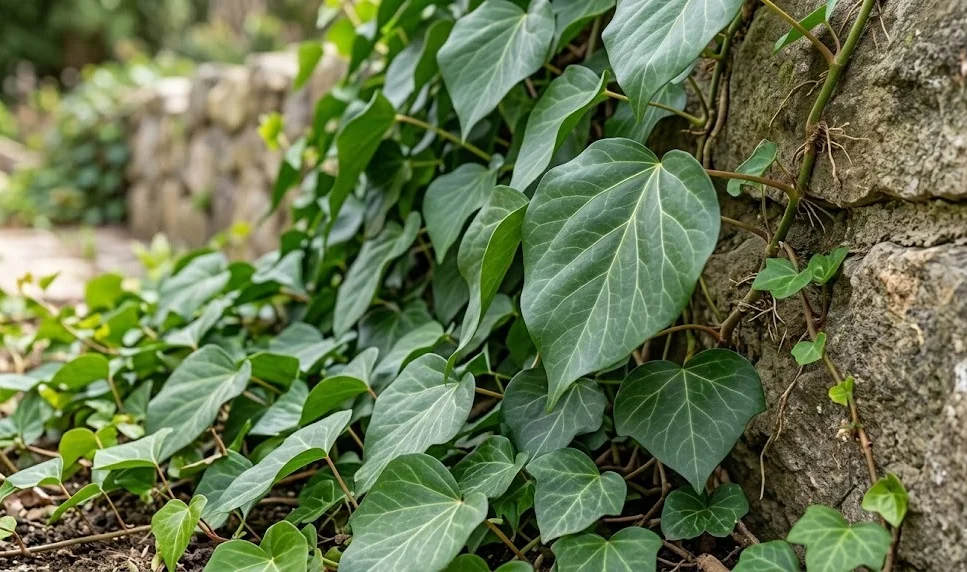

Understanding the light preferences of this versatile climber is one of the most important factors in determining its placement and overall health in your garden. You should know that while it is famously tolerant of shade, its growth habit, leaf size, and color intensity can all be influenced by the amount of solar energy it receives. Finding the right balance will allow you to create a lush, evergreen wall that thrives without suffering from the stress of too much or too little light. By observing how the sun moves through your landscape, you can select the perfect spot for this impressive plant.
In its natural habitat, this species often grows in the dappled light of forest floors or as a climber on the trunks of large trees. You should aim to replicate these conditions by placing your ivy in a spot that receives partial shade or filtered sunlight throughout the day. While it can survive in deep shade, you may find that its growth is somewhat slower and the leaves are spaced further apart on the stems. Conversely, a location with too much direct, intense sun can lead to leaf scorch and a loss of that deep, saturated green color we all admire.
The transition between different light levels should always be managed carefully to avoid shocking the plant’s internal systems. You should be particularly cautious when moving a plant from a shaded nursery or indoor environment directly into a bright, sunny garden spot. A gradual introduction over a week or two will allow the leaves to adapt their internal chemistry to the higher light intensity without being burned. You will notice that the plant is remarkably adaptable once it has been given the time to settle into its new permanent home.
In the following sections, we will explore the specific differences between sun and shade performance and how to manage the plant’s needs in various orientations. You will also learn about the signs of light stress and how to address them through simple cultural adjustments or relocation. Your goal is to provide the ivy with just enough energy to grow vigorously while protecting it from the potential damage of extreme exposure. With the right light management, your Persian ivy will become a reliable and beautiful anchor for your entire garden design.
Full sun versus partial shade
When you are deciding where to plant your ivy, you must weigh the benefits and drawbacks of different light exposures on its long-term development. You should find that a partially shaded location, perhaps receiving morning sun and afternoon shade, is often the most successful for this species. This allows the plant to get enough light for vigorous photosynthesis while avoiding the harshest and most drying rays of the midday sun. In these conditions, the leaves tend to be at their largest and most impressive, creating a very dense and attractive screen.
More articles on this topic
In full sun, the plant can grow quite rapidly, but it requires much more attention in terms of watering to prevent it from drying out. You should be aware that the leaves may become slightly smaller and thicker as they adapt to the higher light levels and increased evaporation. If the sun is too intense, especially in hotter climates, the foliage can take on a yellowish or pale green hue as the chlorophyll is stressed. If you choose a sunny spot, you must be committed to maintaining consistent soil moisture to help the plant cope with the added heat.
Deep shade is another viable option for this ivy, making it one of the best choices for those difficult corners of the garden where little else will grow. You should expect the growth to be more deliberate and the stems to be a bit more elongated as the plant reaches for whatever light is available. While it will still create a beautiful green cover, it may take a few extra years to achieve the same level of density as a plant in a brighter location. You will also find that the leaves stay dark green and glossy because they are protected from the bleaching effects of direct sunlight.
Regardless of the exposure you choose, you should regularly monitor the condition of the leaves to ensure the plant is happy with its light levels. You can always prune back any sections that seem to be struggling or provide temporary shade if you notice signs of acute sun stress during a heatwave. The versatility of this ivy means that there is almost always a way to make it work in your garden, provided you understand its basic needs. By paying attention to these subtle cues, you can maintain a plant that looks healthy and vibrant regardless of its position in your landscape.
Managing light intensity and sunscorch
Sunscorch is a physical injury that occurs when the leaf tissue is literally burned by excessive solar radiation and high temperatures. You should look for large, irregular brown or bleached patches on the leaves, usually on the most exposed parts of the vine. This problem is often most severe during the first few weeks of summer when the sun’s intensity increases rapidly and the plant hasn’t yet adjusted. Once the tissue is damaged, it cannot be repaired, so the best approach is always to prevent the scorch from happening in the first place.
More articles on this topic
To protect your ivy from sunscorch, you should ensure that the plant is never allowed to become completely dry at the roots during a sunny spell. You will find that a well-hydrated plant is much better able to cool its leaves through transpiration and resist the heat of the sun. Applying a thick layer of mulch around the base will help keep the roots cool and provide a steady supply of moisture for the foliage to draw upon. If you have a particularly sensitive or young plant, you might even consider using a piece of shade cloth during the hottest hours of the day.
Light intensity also changes with the seasons, and you should be aware of how this might affect your ivy throughout the year. In the winter, the loss of leaves on nearby deciduous trees can suddenly expose your ivy to much more sun than it was receiving in the summer. This “winter sun” can be surprisingly damaging, especially when combined with freezing temperatures and drying winds that prevent the plant from taking up water. Understanding these seasonal shifts in your garden’s light patterns will help you anticipate and prevent potential issues before they cause visible damage.
If you do experience sunscorch, you should wait until the heatwave has passed before deciding whether to prune away the damaged foliage. The scorched leaves can sometimes provide a small amount of protection for the healthier growth underneath, so it is often best to leave them in place temporarily. Once the weather has cooled and the plant is showing signs of recovery, you can carefully remove the unsightly leaves to make room for new growth. Learning from these events will help you refine your care routine and choose even better locations for future plantings in your garden.
Indoor light and container considerations
If you are growing this ivy in a container or even as an indoor plant, managing the light levels requires a slightly different set of strategies. You should place your indoor ivy in a spot that receives bright, indirect light, such as near a window with a sheer curtain or on a north-facing windowsill. Direct sunlight through glass can be very intense and may quickly lead to leaf burn or overheating of the pot and root system. You will find that the plant is very happy in the moderate and stable light levels of a typical home or office environment.
For container plants that spend part of the year outdoors, the transition between indoor and outdoor light is a critical period that must be managed with care. You should move the plant to a shaded spot outside for a few hours each day, gradually increasing the exposure over the course of a week. This process, known as hardening off, allows the leaves to strengthen their outer layers and adjust to the much higher UV levels of the sun. Skipping this step can lead to a sudden and dramatic loss of foliage as the indoor-adapted leaves are overwhelmed by the outdoor light.
In very low-light indoor environments, you might notice the ivy becoming “leggy,” with long gaps of stem between each set of leaves. You should take this as a sign that the plant is searching for more energy and would benefit from being moved to a slightly brighter location. You can also supplement the natural light with artificial grow lights if you want to keep the plant in a particularly dark corner of your home. Keeping the leaves free of dust is also important indoors, as a clean leaf is much more efficient at capturing and using whatever light is available.
Finally, remember that the light needs of your ivy are always linked to its requirements for water and nutrients. A plant in a bright, sunny spot will grow faster and need more of everything, while a plant in a dark corner will be much more conservative in its demands. By balancing these three factors—light, water, and food—you can maintain a beautiful and healthy ivy in almost any setting. Whether it is climbing a garden wall or cascading from a bookshelf, your Persian ivy will be a testament to your understanding of its fundamental light requirements.