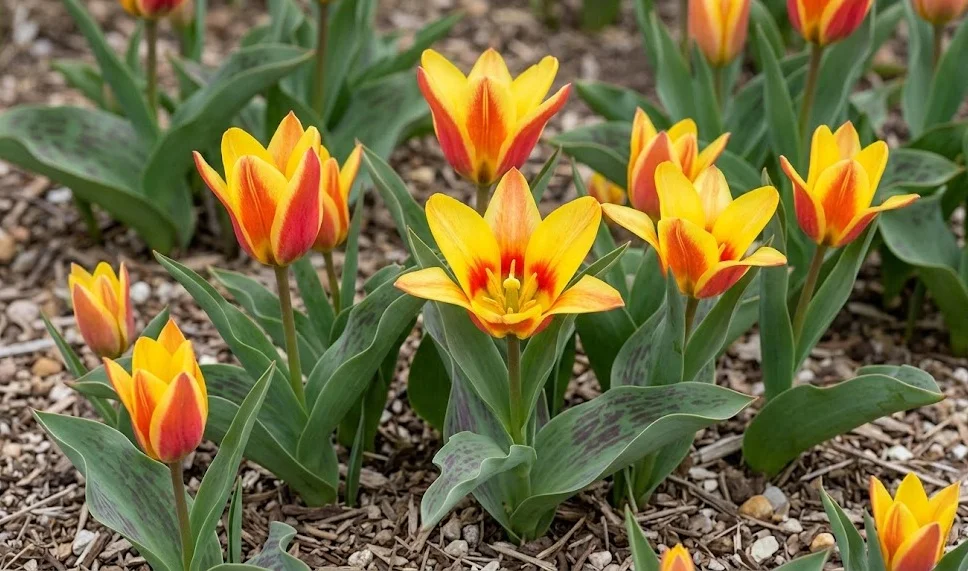

Pruning and cutting back are essential maintenance tasks that help manage the energy of the kaufmann tulip and maintain a tidy garden appearance. Unlike woody shrubs, the “pruning” of these bulbs is a seasonal process that focuses on removing spent reproductive structures and managing the natural decline of the foliage. You must perform these tasks with precision and at the correct time to avoid interrupting the bulb’s energy-storage cycle. A professional approach to these simple tasks can significantly improve the longevity and health of your tulip colony.
The first stage of pruning begins almost as soon as the flowers have finished their display in the early spring. Deadheading, which is the removal of the spent flower head, prevents the plant from wasting energy on seed production. By stopping the development of seed pods, you ensure that all the plant’s resources are redirected back into the bulb for next year’s growth. This small intervention is one of the most effective ways to promote the naturalization and expansion of your tulip collection over several years.
Managing the foliage as it begins to age and turn yellow is the second, more delicate phase of the cutting-back process. You must resist the urge to remove the leaves while they are still green, as this is when the bulb is actively photosynthesizing and storing nutrients. A professional gardener knows how to balance the need for a clean garden with the biological requirements of the plant. Understanding the signals the tulip sends as it enters dormancy is the key to successful foliage management.
Finally, the complete removal of all dead material in the summer or early autumn is necessary to prevent the buildup of pests and diseases. Leaving old, withered leaves in the garden can provide a hiding place for slugs or a reservoir for fungal spores like tulip fire. By maintaining a clean and well-groomed planting bed, you create a healthier environment for the bulbs as they rest underground. This cycle of pruning and cleaning is a fundamental part of the professional horticultural year.
Deadheading for bulb vitality
To deadhead your kaufmann tulips correctly, you should use a sharp pair of garden snips or simply pinch off the flower head with your fingers. You must remove the entire developing seed pod, which is located at the very base of the flower where it meets the stem. Be careful not to damage the leaves or the main stem more than necessary during this process. A clean cut or pinch ensures that the plant heals quickly and stops any further investment in the fading blossom.
More articles on this topic
The timing of deadheading is critical; you should ideally remove the flower heads just as the petals begin to drop or wither. If you wait too long, the plant will have already committed significant resources to the production of seeds. Conversely, removing the flowers too early may deprive you of the last few days of their beauty, though it does no harm to the plant itself. Monitoring your tulips daily during the bloom period allows you to intervene at the perfect moment for every individual flower.
In a large-scale naturalized planting, you may choose to leave the flower heads in place if you are specifically interested in seed propagation. However, for most garden settings, the benefits of deadheading far outweigh the potential for self-seeding, which is slow and unpredictable. If you have several different varieties, deadheading also prevents any accidental cross-pollination that could lead to unexpected results in future seedlings. A disciplined deadheading routine is the hallmark of a well-maintained and professional spring garden.
After deadheading, you can leave the remaining flower stem in place until it naturally turns yellow and becomes easy to remove. The stem itself contains some chlorophyll and can contribute a small amount of energy to the bulb as it dies back. However, if the stems become unsightly or start to lean over, you can cut them back to the level of the foliage without harming the plant. The focus of the plant’s energy is now entirely on the underground bulb and its developing offsets.
Managing foliage during senescence
As the spring progresses into early summer, the vibrant mottled leaves of the kaufmann tulip will begin to lose their color and turn yellow. This process, known as senescence, is a natural part of the plant’s life cycle as it prepares for dormancy. You must allow this process to complete naturally, even though the yellowing leaves may not be the most attractive feature in your garden. The leaves are essentially “pumping” the last of their energy into the bulb, and cutting them too early is a major mistake.
More articles on this topic
If you find the yellowing foliage distracting, you can try to hide it by planting late-emerging perennials or annuals nearby. Plants like hostas, daylilies, or hardy geraniums are excellent companions because their broad leaves will grow up and over the declining tulip foliage. This “interplanting” strategy allows the tulips to complete their biological cycle in peace while maintaining the aesthetic quality of your garden beds. A professional gardener uses the growth habits of different plants to create a seamless transition between the seasons.
You will know the foliage is ready to be removed when it has turned completely brown and brittle and pulls away from the ground with almost no resistance. If you have to tug or use a knife to remove the leaves, it is usually a sign that the connection to the bulb is still active. Waiting for this “easy release” stage ensures that you are not accidentally wounding the bulb or interrupting its final stages of preparation for dormancy. Patience is a vital virtue when it comes to the seasonal maintenance of bulbous plants.
Some gardeners choose to fold or tie the leaves to make them less noticeable, but this is a practice you should strictly avoid. Tying the leaves reduces the amount of sunlight that can reach the inner surfaces and can also trap moisture, leading to fungal issues. It is much better to let the leaves lie flat and age naturally, even if it looks a bit messy for a few weeks. A healthy, well-fed bulb is always worth a short period of untidiness in the early summer garden.
Summer cleanup and bed maintenance
Once all the foliage and stems have been removed, your focus should shift to cleaning the planting bed to prepare it for the dormant season. You should clear away any lingering plant debris, including old mulch that may have become compacted or moldy. This cleanup reduces the risk of pests like bulb mites or diseases like Botrytis from overwintering in the soil surface. A clean, bare, or lightly gritted soil surface is the most professional look for a dormant tulip bed.
If you are planning to lift and divide your bulbs, this summer dormant period is the perfect time to do so. You can easily see where the clusters are located and dig them up without damaging any active growth. After dividing and replanting, you should smooth the soil and ensure that the area is clearly marked so you don’t accidentally dig it up later in the year. Maintaining a clear map or using permanent labels is a vital part of professional garden record-keeping.
Weed control is also an important part of summer maintenance, as aggressive weeds can compete for moisture even when the tulips are dormant. You should remove any weeds by hand to avoid disturbing the soil too deeply and potentially hitting the resting bulbs. Maintaining a weed-free environment during the summer ensures that the tulips have a clean slate when they begin their root growth in the autumn. A tidy garden is not just about looks; it is about providing the best possible environment for your plants.
Finally, consider the long-term structure of your garden as you perform your summer cleanup and pruning. This is a good time to evaluate whether the tulips are still in the best location or if the surrounding plants have become too large. Making these observations during the cleanup phase allows you to plan any necessary changes for the following planting season. A professional gardener is always thinking one or two seasons ahead, ensuring that the beauty of the garden is sustained year after year.