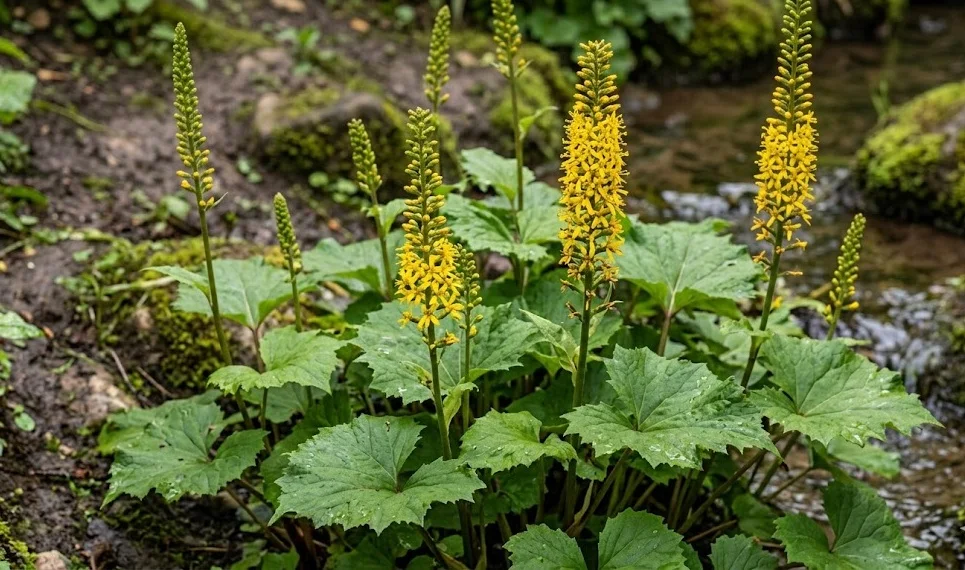

Preparing the narrow-spiked ligularia for the winter months is a straightforward process that ensures its safe return in the spring. As a hardy perennial, it has evolved to survive freezing temperatures by retreating into its robust root system underground. However, the transitional periods of late autumn and early spring can be the most dangerous for the crown if the weather is unpredictable. A few professional steps taken before the ground freezes will guarantee that your plants emerge with vigor when the soil warms.
The first sign that the plant is preparing for dormancy is the gradual yellowing and collapse of the large leaves. This usually occurs after the first few light frosts when the plant recognizes that the growing season is coming to an end. You should not be alarmed by this sudden change in appearance, as it is a natural and necessary part of its life cycle. The plant is simply moving its valuable nutrients from the foliage down into the storage organs in the roots.
During this time, you should gradually reduce any supplemental watering, allowing the soil to follow the natural moisture levels of the season. Excessive water in the late autumn can sometimes encourage the crown to stay active longer than it should, making it more vulnerable to a sudden hard freeze. The goal is to let the plant “harden off” naturally as the days grow shorter and the temperatures drop. This process prepares the cell walls within the roots to handle the expansion of freezing water.
Clearing the area around the base of the plant once the foliage has completely died back is a good hygienic practice. This removes the damp material that could harbor pests or fungal spores over the winter months. Many gardeners prefer to leave the dead stalks until late autumn to provide a bit of interest, but they should be removed before the heavy snow arrives. A clean site is much easier to manage when the first shoots begin to emerge in the spring.
Preparing for the frost
In regions with very cold winters, the main goal of overwintering is to protect the crown from extreme temperature fluctuations. While the roots are hardy, the actual center of the plant where the new buds are formed is the most sensitive part. Repeated cycles of freezing and thawing can cause the ground to heave, potentially exposing the roots to the cold air. Maintaining a stable environment beneath the surface is the key to a successful winter dormancy.
More articles on this topic
One of the best ways to provide this stability is to leave a few centimeters of the old stems in place after cutting back the leaves. These short “stubs” help trap snow, which is one of nature’s best insulators for the soil. If you live in an area with reliable snow cover, your perennials are already well-protected from the worst of the cold. In drier climates, you may need to provide artificial insulation to achieve the same effect.
Check the drainage of your garden bed one last time before the ground freezes solid. Soil that stays saturated with water through the winter can lead to crown rot, especially if the water turns into a block of ice. If you have a low spot that collects water, you might want to create a small channel to divert the excess away from the plant. A well-drained but moist site is the ideal winter home for this variety.
Finally, make sure you have labeled your plants clearly before they disappear entirely underground. It is very easy to forget exactly where a perennial is located once there is no visible foliage left on the surface. Using a sturdy, weather-resistant tag will prevent you from accidentally stepping on or digging up the crown during spring cleanup. This simple organizational step is a hallmark of a professional and well-maintained garden.
Mulching and root protection
Applying a fresh layer of mulch in the late autumn is perhaps the most important task for winter protection. This layer acts like a blanket, keeping the soil temperature more consistent and protecting the roots from the deep frost. Materials like shredded bark, composted leaves, or even straw are excellent choices for this purpose. Aim for a thickness of about five to ten centimeters to provide adequate insulation for the root zone.
More articles on this topic
When applying the mulch, be careful not to pile it directly against the short stem stubs or the very center of the crown. Leave a small gap of a few centimeters to allow for some air circulation and prevent moisture from being trapped against the plant tissues. If the crown stays too wet under a heavy layer of mulch, it can encourage rot during the occasional winter thaw. The goal is to insulate the surrounding soil rather than bury the plant itself.
In areas with particularly harsh winds, you might need to secure the mulch so it does not blow away during winter storms. Placing a few evergreen boughs or a light mesh over the top can help keep everything in place until the spring. These boughs also provide an extra layer of protection and can look quite attractive in a winter landscape. They are easily removed once the weather begins to turn and the first signs of life appear.
As the winter progresses, the mulch will slowly begin to break down, adding a small amount of organic matter back into the soil. This means that by the time the plant wakes up, the earth around it will be even richer and more supportive of new growth. This dual-purpose strategy of protection and fertilization is a very efficient way to manage a large garden. You are essentially setting the stage for next year’s success while the garden is still asleep.
Container-grown plant care
If you are growing your narrow-spiked ligularia in containers, they require a bit more attention during the winter months. Because the roots are above ground and surrounded by less soil, they are much more exposed to the cold than those in the earth. In mild climates, you can simply move the pots to a sheltered spot against a south-facing wall or under a porch. This provides a bit of extra warmth and protects the container from the worst of the wind.
In colder regions, it is often best to move the containers into an unheated garage or a garden shed for the duration of the winter. This prevents the pot from freezing solid and cracking, while also keeping the roots at a more stable temperature. You do not need a heated space, as the plant still needs its period of cold dormancy to grow properly the following year. The goal is simply to avoid the extreme lows that could kill the root system.
Check the moisture of the soil in your containers about once a month during the winter. Even though the plant is dormant, the roots should not be allowed to become bone-dry for extended periods. If the soil feels very dry to the touch, give it a small amount of water on a day when the temperature is above freezing. Be careful not to overwater, as a soggy pot in a cold shed is a recipe for root rot.
When the spring arrives, move the containers back outside gradually to let them acclimate to the changing light and temperature. Start by placing them in a shaded, protected area for a few hours a day before moving them to their permanent summer home. This “hardening off” process prevents the new, tender shoots from being shocked by a sudden change in environment. With this careful management, container specimens can thrive for many years in your garden.
Spring transition strategies
The end of winter is a time of anticipation for any gardener waiting for the first signs of the narrow-spiked ligularia. You will notice the thick, purple-tinged shoots pushing through the soil once the ground has thoroughly thawed. This is the signal to carefully pull back the winter mulch to allow the sun to warm the soil directly. Be gentle during this process so you do not snap the brittle new growth as it emerges.
Early spring is also the perfect time to apply a light feeding of compost or a balanced organic fertilizer. As the plant begins its rapid expansion, it will appreciate the extra nutrients available in the root zone. You can also take this opportunity to clean up any remaining debris from the winter that you might have missed. A tidy start to the season makes it much easier to stay on top of maintenance as the garden becomes more active.
Watch the weather forecasts closely during the first few weeks of spring for any late-season cold snaps. If a hard frost is predicted after the leaves have started to unfurl, you may need to provide some temporary protection. Covering the young plants with an inverted bucket or a piece of frost cloth overnight can prevent the tender foliage from being burnt. Once the sun comes up and the temperature rises, remove the cover to allow for air circulation.
Reflect on how your overwintering strategy worked and make any necessary notes for the following year. Perhaps a certain area of the garden stayed too wet, or the wind was more of a factor than you initially expected. Each winter provides a chance to refine your techniques and become more in tune with the needs of your perennials. With each passing year, the process of preparing for the cold will become a natural and rewarding part of your gardening rhythm.