
Regular pruning is the secret to maintaining a graceful shape and ensuring an abundant floral display on your ornamental shrubs. You must approach this task with a professional understanding of how the plant grows and when it produces its flower buds. If you prune at the wrong time of year, you may accidentally remove all the blossoms you have been waiting to see in the spring. By following a few expert techniques and a consistent schedule, you can keep your shrubs looking their professional best for decades.
The most important rule for pruning this variety is to always perform your major cutting tasks immediately after the flowers have faded in the early summer. This gives the plant plenty of time to grow new stems and set the flower buds for the following year before the winter dormancy begins. You should avoid any heavy pruning in the late winter or early spring, as this would cut away the productive wood that carries the current season’s blooms. Timing is everything when it comes to the professional management of spring-flowering species.
Using the right tools for the job is essential for making clean, healthy cuts that the plant can heal quickly and effectively. You should invest in a high-quality pair of bypass pruners for smaller stems and a sturdy set of loppers for the thicker, older branches at the base. Make sure your tools are always sharp and clean to prevent tearing the bark or spreading diseases between different plants in your garden. A professional gardener takes great pride in the quality and maintenance of their equipment, knowing that it directly impacts the health of their landscape.
Pruning serves multiple purposes beyond just controlling the size of the shrub; it also improves air circulation and allows light to reach the center of the plant. By thinning out some of the oldest and most crowded stems, you encourage the growth of vigorous new wood from the crown of the plant. This constant renewal process keeps the shrub looking youthful and prevents it from becoming a tangled, unproductive mess over time. Expert pruning is an act of rejuvenation that supports the long-term vitality and beauty of your garden specimens.
When to prune for best results
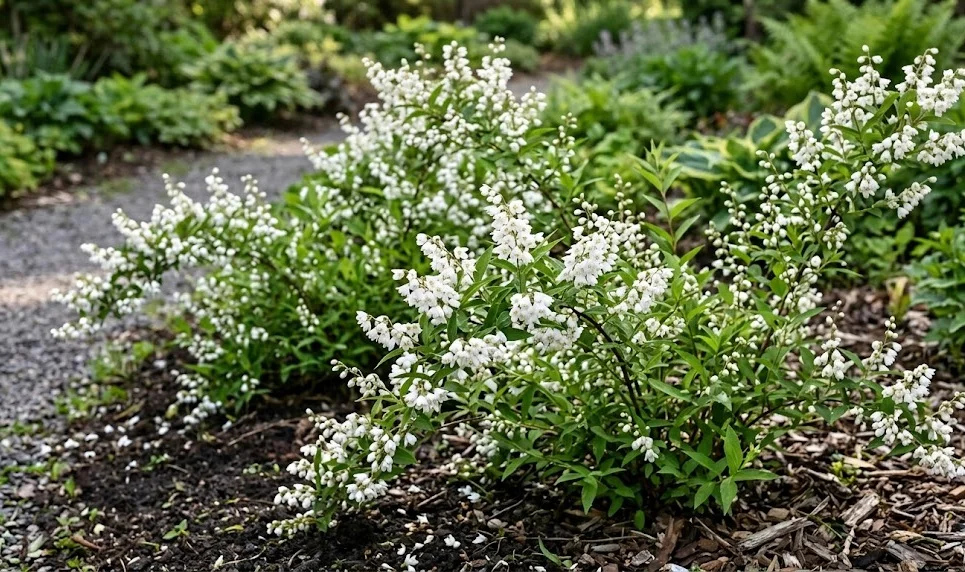
The ideal window for pruning opens up just as the last white blossoms are starting to fall from the arching branches in late June or early July. You should take this opportunity to evaluate the overall structure of the plant and decide which stems need to be shortened or removed entirely. Pruning during this time allows the shrub to direct its energy into new, healthy growth that will have several months to mature before the first frost. This professional alignment with the plant’s natural life cycle ensures a consistent and reliable performance every year.
More articles on this topic
If you miss this early summer window, it is usually better to wait until the following year rather than pruning in the late summer or autumn. Cutting back the plant too late in the season can stimulate soft, new growth that is highly vulnerable to damage from the cold winter temperatures. You should also avoid pruning during periods of extreme heat or drought, as this adds an extra layer of stress to the plant. A professional approach involves being patient and waiting for the right environmental conditions to perform your maintenance tasks.
You can, however, perform minor “housekeeping” pruning at any time of the year to remove dead, damaged, or diseased wood from the shrub. These types of cuts are essential for maintaining good garden hygiene and preventing the spread of various pathogens within the landscape. Simply follow the branch back to a healthy side shoot or down to the base of the plant and make a clean, smooth cut. This proactive and ongoing attention to plant health is a hallmark of an expert and dedicated gardener.
For very old or neglected shrubs, you might consider a more aggressive “rejuvenation” pruning over the course of two or three years. This involves removing about one-third of the oldest stems each year right down to the ground level until the entire plant has been renewed. This professional technique is much safer for the plant than cutting it all back at once and results in a much more balanced and attractive form. Patience and a long-term vision are key components of successful large-scale pruning projects.
Tools and techniques for shaping
When you are ready to make a cut, you should always look for a healthy bud or a side branch that is pointing in the direction you want the new growth to go. Make your cut at a slight angle about a quarter-inch above the bud to allow water to run off and prevent rot from setting in. You should avoid leaving long “stubs” behind, as these will eventually die back and can become entry points for pests and diseases. A clean and precise cut is a signature of a professional who understands the biology of the plant they are working with.
More articles on this topic
Thinning out the center of the shrub is a professional technique that involves removing some of the oldest, woodiest stems from the very base of the plant. This opens up the interior to light and air, which is vital for preventing fungal issues and encouraging new growth from the crown. You should aim to maintain a balanced and natural look, preserving the graceful arching habit that is the characteristic of this variety. Avoid the temptation to use hedge trimmers to create a flat or squared-off shape, as this ruins the natural beauty of the shrub.
For general shaping and size control, you can head back some of the longer branches to a lower side shoot to keep the plant within its designated space. You should try to make your cuts at varying heights to maintain a full and natural appearance rather than a uniform “buzz cut” look. This more subtle and artistic approach to pruning is what separates a professional landscape from a poorly maintained one. The goal is to make the plant look like it has never been pruned at all while still keeping it healthy and well-behaved.
Always take a step back from the shrub frequently during the pruning process to evaluate your progress from a distance and from all sides. It is very easy to get “lost” in the details of a single branch and accidentally remove too much or create an unbalanced shape. By taking a holistic view of the plant, you ensure that the final result is aesthetically pleasing and fits perfectly into your overall garden design. A professional gardener works with both a sharp pair of shears and a keen, observant eye.
Rejuvenation of older shrubs
As your shrubs reach maturity and beyond, they may start to show signs of decline, such as fewer flowers, smaller leaves, or a general loss of vigor. This is often the result of the plant becoming too woody and crowded with old, unproductive stems that are no longer functioning at their peak. You can breathe new life into an aging specimen by following a professional rejuvenation plan that focuses on systemic renewal. This process takes time and effort but is far more rewarding and sustainable than simply replacing the plant with a new one.
Start your rejuvenation project by identifying the oldest, thickest, and most gnarled stems at the very base of the shrub near the soil line. You should use a sharp pruning saw or a set of heavy-duty loppers to remove these stems entirely, leaving the younger and more flexible branches to remain. By removing this old “congestion,” you allow more light and nutrients to reach the base of the plant, stimulating the growth of new “suckers” or basal shoots. This influx of young wood is the key to a successful and professional-grade rejuvenation.
In the second and third years of your plan, continue to remove the remaining old wood until the entire shrub consists of stems that are less than four or five years old. You will be amazed at how quickly the plant responds to this treatment, with a renewed burst of healthy foliage and a spectacular return of the white blossoms. This professional method allows you to maintain the size and character of your garden while ensuring that every plant remains in peak condition. A rejuvenated shrub is a testament to the skill and dedication of an expert gardener.
Once you have completed the rejuvenation process, you should return to a more regular and light maintenance pruning schedule to keep the plant from becoming overgrown again. Providing a bit of extra fertilizer and consistent water during the renewal years will help the plant recover more quickly from the heavy cutting. Watching a tired, old shrub transform back into a vibrant and healthy centerpiece is one of the most satisfying experiences in the world of gardening. With professional pruning and expert care, your slender deutzia will remain a source of joy for a lifetime.