
Proper hydration and nutrition are the twin pillars of a successful gardening strategy for any ornamental shrub. You must learn to balance these two elements to provide the perfect environment for growth without causing stress to the plant. A professional approach involves monitoring environmental conditions and adjusting your intervention based on the specific needs of the season. By mastering the art of watering and feeding, you ensure that your landscape remains vibrant and healthy year after year.
The timing and frequency of your watering sessions play a massive role in how the root system develops and functions. You should always aim to water in the early morning hours to allow the foliage to dry before the sun becomes too intense. This practice helps to minimize the risk of fungal issues and ensures that the plant has a reservoir of moisture to draw from during the heat of the day. Consistency is the hallmark of an expert gardener when it comes to managing the hydration levels of the soil.
Fertilization provides the essential building blocks that the shrub needs to produce its spectacular floral display and maintain strong stems. However, you must use these powerful tools with precision and care to avoid damaging the delicate balance of the soil. A measured application of high-quality nutrients at the right moments in the growth cycle can make a significant difference in the appearance of the plant. Understanding the specific mineral needs of your variety is key to achieving professional-grade results.
Environmental factors like temperature, wind, and humidity will all influence how quickly the soil dries out and how much food the plant requires. You should remain observant and flexible, changing your routine as the weather shifts throughout the spring and summer months. A rigid schedule is often less effective than a responsive one that takes the current conditions into account. By paying close attention to the signals your plant is giving you, you can provide exactly what it needs at the perfect time.
Fundamental watering principles
The most important rule for watering this variety of shrub is to prioritize depth over frequency in your application. You want to ensure that the water penetrates deep into the soil profile where the majority of the active roots are located. Providing a slow, steady stream of water allows the ground to absorb the moisture without causing runoff or erosion. This technique encourages the roots to grow downward, creating a plant that is much more resilient to periods of dry weather.
More articles on this topic
You should always check the moisture level of the soil by hand before you decide to add more water to the garden. Simply inserting your finger a few inches into the ground will give you a clear idea of whether the plant actually needs a drink. If the soil feels damp at that depth, it is often better to wait another day or two before watering again. Overwatering can be just as damaging as drought, as it limits the amount of oxygen available to the roots and can lead to decay.
Using a soaker hose or a drip irrigation system is a professional way to deliver water directly to the base of the plant. These methods keep the foliage dry, which is essential for preventing the spread of various leaf diseases and fungal infections. They also deliver the water more efficiently, reducing evaporation and ensuring that every drop reaches the intended target. Investing in a simple irrigation setup can save you a significant amount of time and effort while improving the health of your shrub.
During the height of the summer, you may need to increase the volume of water you provide to compensate for the higher rate of evaporation. You should watch for signs of moisture stress, such as drooping leaves or a loss of vibrancy in the flower clusters. If you notice these symptoms, a deep and immediate soaking is necessary to help the plant recover its strength. Proactive management during extreme weather events is a key part of maintaining a high-quality landscape in any climate.
Hydration needs during summer
The summer months represent the most challenging time for maintaining proper hydration levels in your garden beds. High temperatures and long hours of sunlight cause the plant to lose moisture through its leaves at a rapid rate. You must be diligent in checking the soil moisture daily to ensure that the shrub does not reach a point of critical dehydration. A consistent supply of water during this period supports the ongoing development of the plant and prepares it for the following year.
More articles on this topic
If you find that your soil dries out too quickly despite regular watering, you may need to improve the organic content of the ground. Adding more compost or well-rotted leaf mold will help the soil act more like a sponge, holding onto moisture for longer periods. This improvement in soil structure is a long-term professional solution that makes your daily gardening tasks much easier. It also provides a more stable environment for the roots during the most stressful weeks of the year.
Maintaining a fresh and thick layer of mulch is another essential summer strategy for preserving soil moisture and protecting the roots. The mulch acts as an insulating barrier that prevents the sun from baking the ground and evaporating the water you have applied. You should check the depth of your mulch at the beginning of the summer and add more if it has started to break down. This simple step can reduce your overall watering needs by a significant percentage while keeping the plant cool and happy.
Be careful not to water the shrub during the middle of the day when the sun is at its strongest and hottest. The water can quickly evaporate before it has a chance to soak in, and any droplets on the leaves can potentially cause scorch marks. If you must water during the day, focus solely on the ground and keep the foliage as dry as possible to avoid any negative effects. Professional gardeners know that the early morning or late evening are the only times for effective and safe hydration.
Essential nutrients and fertilizers
Choosing the right type of fertilizer is the first step toward providing a professional level of nutrition for your ornamental shrubs. A balanced, slow-release granular fertilizer is usually the best choice for providing a steady stream of nutrients over several months. You should look for a formula that contains nitrogen for leaf growth, phosphorus for flower production, and potassium for overall plant health. This comprehensive approach ensures that all aspects of the shrub’s development are supported throughout the season.
The best time to apply fertilizer is in the early spring as the new growth begins to emerge from the dormant stems. This provides the plant with the energy it needs to produce a vibrant display of flowers and strong new branches. You should avoid feeding the plant too late in the summer, as this can encourage soft growth that will not have time to harden off before winter. Timing your nutrient applications with the natural growth cycle of the plant is a fundamental expert technique.
Always make sure to water the area thoroughly both before and after you apply any type of granular fertilizer to the ground. This helps to prevent the concentrated minerals from burning the sensitive surface roots and ensures that the nutrients begin to dissolve and move into the soil. You should spread the fertilizer evenly around the drip line of the shrub, which is the area directly under the outer edge of the branches. This is where the most active “feeder” roots are located and where the food will be most effective.
If your plant seems to be struggling despite regular feeding, you might consider using a liquid fertilizer for a more immediate boost. These products are absorbed quickly by both the roots and the foliage, providing a rapid infusion of essential minerals. However, you should use liquid feeds as a supplement to your regular program rather than a complete replacement for slow-release nutrients. Professional garden care involves using the right tool for the specific situation you are facing in your landscape.
Timing and application methods
Developing a consistent schedule for your fertilization tasks helps you stay organized and ensures that you never miss an important window. You can mark your calendar for the first application in late March or early April, depending on your local climate and when the ground thaws. A second, lighter application can be done in early June to support the plant after its primary blooming period has finished. This two-step approach provides the necessary resources for both flowers and the subsequent vegetative growth phase.
When applying granular food, you should clear away any mulch or debris from the soil surface to ensure direct contact with the ground. Use a small hand tool to lightly scratch the fertilizer into the top inch of the soil to prevent it from being washed away by heavy rain. Once the application is complete, replace the mulch to keep the area moist and protect the newly added nutrients from the sun. This professional attention to detail ensures that your fertilization efforts are as effective as possible.
Be careful not to let any fertilizer granules come into direct contact with the main stem or the leaves of the shrub. The high concentration of salts in the fertilizer can cause chemical burns that damage the plant’s tissues and create entry points for disease. If you accidentally spill some on the foliage, use a gentle stream of water to wash it off immediately before it can cause any harm. Safe and precise application is a hallmark of a skilled and professional gardener who cares about the health of their plants.
Monitoring the growth rate and color of the leaves will tell you if your fertilization program is working effectively for the shrub. Deep green leaves and steady, firm stem growth are clear indicators that the plant is receiving the correct balance of nutrients from the soil. If you notice yellowing leaves or stunted growth, you may need to adjust your approach or perform a more detailed soil test. Learning to read these visual cues is one of the most important skills you can develop for long-term garden success.
Monitoring soil moisture levels
One of the most valuable tools in a professional gardener’s kit is a simple moisture meter that can provide an instant reading of the conditions underground. These devices are inexpensive and easy to use, allowing you to check multiple areas of your garden in just a few minutes. By using a meter, you take the guesswork out of watering and ensure that you are only adding moisture when it is truly necessary. This precision helps to conserve water and promotes a healthier, more balanced ecosystem for your shrubs.
Even without a meter, you can learn to judge the moisture level of the soil by observing the way it looks and feels in your hand. Moist, healthy soil will hold together when squeezed into a ball but will crumble easily when you poke it with your finger. If the soil feels dusty or refuses to stick together at all, it is a clear sign that a deep watering session is long overdue. On the other hand, if water squeezes out of the soil like a sponge, the ground is too saturated and needs time to dry.
The environmental conditions in your garden can change rapidly, so you should make it a habit to check the moisture levels at least twice a week. During a heatwave or a prolonged period of wind, you may find that the soil dries out much faster than you initially expected. Being proactive and checking the ground frequently allows you to intervene before the plant starts to show signs of serious distress. This level of dedication is what separates a thriving, professional landscape from a struggling one.
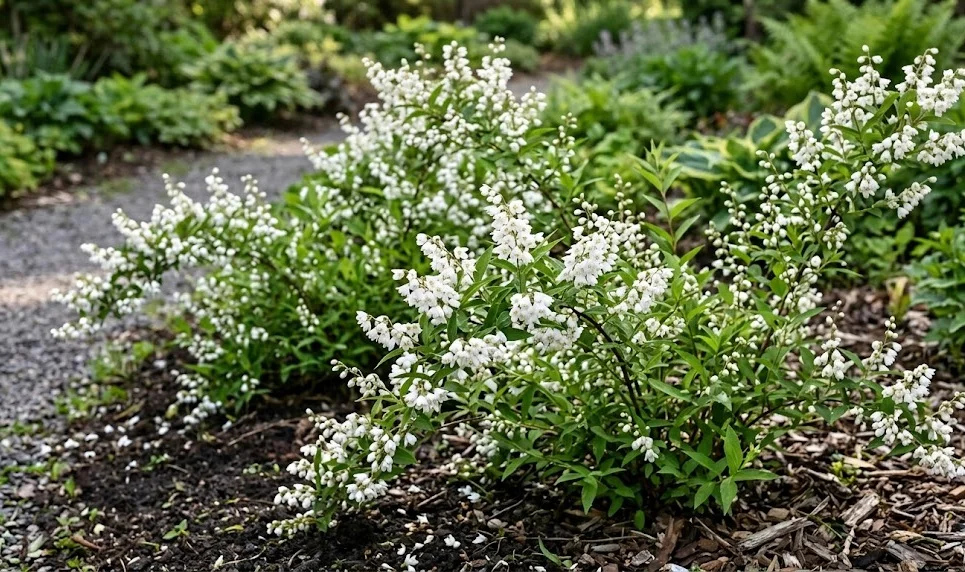
Ultimately, your goal is to maintain a consistent environment where the roots never experience the shock of extreme drought or total saturation. A stable moisture level supports the beneficial organisms in the soil and allows the plant to function at its peak biological efficiency. As you gain experience with your specific garden and variety of shrub, you will develop a natural intuition for its needs. With professional care and attention, your slender deutzia will remain a stunning and healthy feature of your outdoor space.