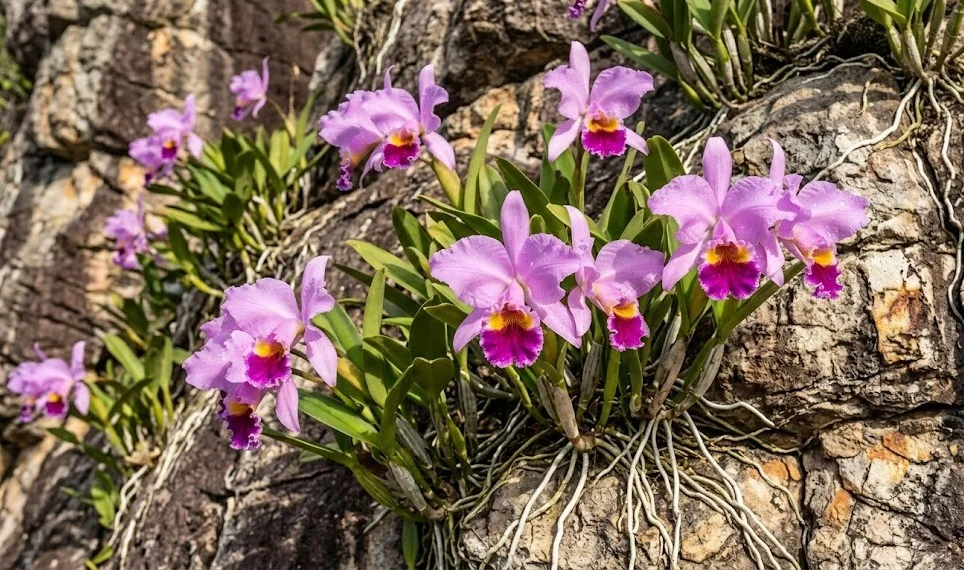

Pruning and cutting back are essential maintenance tasks that help keep your Christmas orchid healthy, tidy, and productive. Unlike traditional garden shrubs, orchids do not require extensive pruning to maintain their shape, but they do benefit from the strategic removal of old or damaged tissue. A professional approach focuses on hygiene and precision, ensuring that every cut serves a specific purpose for the plant’s well-being. Regular maintenance not only improves the appearance of your collection but also reduces the risk of pests and diseases taking hold in dead material.
The most common pruning task involves the removal of spent flower spikes once the blooming season has concluded in late winter. This prevents the plant from wasting energy on seed production and encourages it to focus on new vegetative growth instead. Using the correct tools and techniques is vital to avoid damaging the living tissue of the pseudobulbs or leaves. A professional grower always treats pruning as a surgical procedure, prioritizing cleanliness and the long-term health of the specimen above all else.
Humanizing the pruning process involves understanding the natural lifecycle of the orchid and working in harmony with its growth patterns. It can sometimes feel difficult to cut back a plant that you have cared for so diligently, but it is a necessary part of ensuring its future vitality. By removing the old, you make space for the new, allowing the orchid to continue its journey through the seasons. This active participation in the plant’s development is one of the most rewarding aspects of being a professional orchid enthusiast.
Timing is everything when it comes to cutting back your Christmas orchids, as you want to avoid interfering with active growth or bud development. Most pruning tasks are best performed during the late winter or early spring, just as the plant is entering its rest period after flowering. This allows the orchid to heal its wounds while its metabolic processes are slow and before the rush of new spring growth begins. With a careful hand and a bit of knowledge, you can master the art of orchid pruning and keep your collection looking its absolute best.
Proper removal of spent flower spikes
Once the beautiful flowers of the Christmas orchid have finally faded and fallen, it is time to remove the remaining spike. A professional grower cuts the spike as close to the base as possible without injuring the supporting pseudobulb or the surrounding leaves. This clean removal prevents the old spike from becoming a source of rot or a hiding place for small insect pests like aphids. It also signals to the plant that the reproductive phase is over and it is time to conserve energy for the next cycle.
More articles on this topic
Always use a pair of high-quality, sharp pruning shears or a dedicated floral knife for this task to ensure a clean, smooth cut. Brushing against the spike or trying to break it off by hand can cause ragged wounds that take much longer to heal and are more susceptible to infection. Sterilizing your tools before and after every use is a non-negotiable professional standard to prevent the spread of viruses. A clean cut heals quickly and allows the orchid to move on to its next phase of development with minimal stress.
In some orchid varieties, the flower spike can sometimes produce secondary blooms, but this is rarely the case with the Christmas Cattleya types. It is generally better to remove the entire spike rather than leaving a stub in hopes of more flowers, as this encourages a stronger vegetative growth in the spring. If you are unsure, wait until the spike has turned brown and dry, which indicates that the plant has finished with it. This professional patience ensures that you are only removing material that the orchid no longer needs.
After cutting, many growers like to apply a small amount of cinnamon powder to the fresh wound as a natural antifungal agent. This simple step provides an extra layer of protection while the tissue callouses over in the cool winter air. Keep a close eye on the plant for a few days after pruning to ensure the cut stays dry and healthy. Proper spike removal is a fundamental skill that keeps your orchids looking professional and ready for their next spectacular display.
Cleaning leaves and managing old pseudobulbs
In addition to removing flower spikes, a professional pruning routine includes the occasional cleanup of old or damaged foliage. Leaves that have turned completely yellow or brown should be removed to improve air circulation and the overall appearance of the plant. If only the tip of a leaf is brown, you can choose to trim off the dead portion while leaving the healthy green tissue intact. Use a sterilized tool to make a clean cut, following the natural shape of the leaf for a more aesthetic and professional result.
More articles on this topic
The papery sheaths that cover the pseudobulbs can also become unsightly over time and may harbor pests like scale or mealybugs. Once these sheaths have become completely dry and brown, they can be gently peeled away by hand or with the help of a small, soft brush. This professional grooming task allows you to inspect the surface of the bulbs for any signs of trouble and keeps the plant looking tidy. Be careful not to damage the green tissue underneath or any emerging eyes at the base of the bulbs during this process.
Old pseudobulbs that have lost all their leaves, often called “back bulbs,” should generally be left on the plant as long as they remain firm. These structures act as a reservoir for water and energy, supporting the newer growth during times of stress or dormancy. A professional grower only removes back bulbs if they have become soft, shriveled, or diseased and are no longer contributing to the plant’s health. In some cases, healthy back bulbs can even be used for propagation if they have at least one viable eye.
Maintaining a clean and well-groomed orchid is an ongoing process that reflects your dedication as a grower. By regularly removing dead material and keeping the foliage clean, you create a healthier environment for your Christmas orchids to flourish. This attention to detail is what defines a professional collection and ensures that every plant is a masterpiece of horticultural art. Taking the time for these small tasks pays off in the form of a more resilient and beautiful orchid collection.
Essential tools and sanitization practices
The most important tool for any orchid pruning task is a pair of high-quality, sharp scissors or pruning shears that can make precise cuts. Professional growers often invest in tools made of stainless steel, which are easier to clean and maintain over a long period. Using dull tools can crush the plant’s delicate vascular tissue, leading to slower healing and a higher risk of infection. Keeping your equipment in top condition is a sign of a serious enthusiast who respects the living organisms in their care.
Sanitization is the most critical part of the pruning process and is the best way to prevent the spread of incurable plant viruses. A professional practice is to sterilize your tools between every single plant, either by dipping them in a strong disinfectant solution or using a butane torch to flame the blades. This ensures that any pathogens present on one orchid are not accidentally transferred to the next one you work on. Even if your plants look perfectly healthy, viruses can be present without showing symptoms for a long time.
In addition to cleaning the tools, it is also a good idea to wash your hands or change your gloves between handling different orchids. Many common pests and diseases can be easily moved from plant to plant on your fingers or clothing during a maintenance session. A professional grower treats their greenhouse or growing area like a clean room, minimizing the risk of cross-contamination at every step. This disciplined approach to hygiene is the foundation of a healthy and long-lived orchid collection.
Finally, keep a small kit of wound treatments nearby, such as cinnamon powder or a specialized horticultural fungicide. Applying these to fresh cuts provides immediate protection and helps the plant recover more quickly from the stress of pruning. A professional touch is characterized by both the precision of the cut and the care taken to ensure the plant heals perfectly. By following these essential practices, you can prune your Christmas orchids with confidence and expertise, ensuring their continued beauty and health.