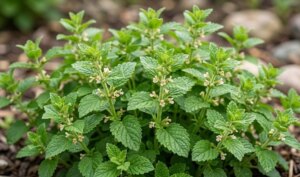
Growing these vibrant pink blooms requires a blend of consistent attention and an understanding of their specific environmental needs to ensure long-lasting color. These perennials are beloved for their spicy fragrance and cushion-like growth habit that fills garden borders beautifully during the warmer months. You will find that establishing a routine for monitoring soil moisture and air circulation is the first step toward a thriving display. Gardeners often appreciate how these plants respond quickly to proper care, rewarding even minor efforts with a flush of new blossoms and healthy green foliage.
Maintaining a clean environment around the base of the plant is essential for preventing common fungal issues that might arise in humid conditions. You should regularly clear away fallen leaves or debris that could trap moisture against the stems and lead to rot. Checking the integrity of the soil surface ensures that water penetrates deeply rather than running off the hardened top layer. A healthy plant will show vibrant green leaves without any yellowing or signs of stress, indicating that your maintenance routine is perfectly balanced.
Long-term success depends heavily on observing how the plant interacts with its immediate surroundings and adjusting your approach as the seasons change. During periods of intense heat, you might notice the foliage losing some of its turgor, which is a clear signal to provide a bit more shade or hydration. Conversely, in cooler weather, the growth rate slows down, meaning the plant needs less intervention and more time to rest. Keeping a garden journal can help you track these subtle shifts and become more attuned to the specific requirements of your pink carnations.
Focusing on the overall vigor of the root system is just as important as looking at the flowers themselves because a strong foundation supports all upper growth. You can occasionally check the soil density around the roots to make sure it hasn’t become too compacted or waterlogged over time. If the soil feels overly tight, gently aerating the surface with a hand fork can improve the oxygen flow to the root zone. This proactive approach ensures that the plant remains resilient against environmental stressors and continues to produce high-quality blooms throughout its life cycle.
Essential soil conditions and preparation
The foundation of any successful perennial garden starts with the quality of the earth in which the roots will spend their entire lives. You need to ensure the soil is loose and friable so that delicate root hairs can expand without meeting excessive resistance from heavy clay. Incorporating organic matter such as well-rotted compost can significantly improve the texture and nutrient profile of the planting site. This preparation phase is the best time to address any drainage issues that might cause problems later in the growing season.
More articles on this topic
Testing the acidity of your garden bed is a professional step that helps you determine if the environment is suitable for these specific pink flowers. They generally prefer a neutral to slightly alkaline pH, which allows for optimal nutrient uptake and promotes a robust cellular structure within the plant. If your soil is naturally very acidic, adding a small amount of garden lime can help bring the levels into a more favorable range. Understanding these chemical properties allows you to tailor the environment to the specific biological needs of the species.
Air porosity within the soil is another critical factor that dictates how well the roots can respire and absorb essential elements. When the soil is too dense, it lacks the necessary pockets for air and water to move freely, which can lead to stunted growth. You can enhance porosity by mixing in a bit of coarse sand or fine grit if you are dealing with naturally heavy or sticky earth. These structural amendments create a long-lasting improvement that benefits the plant for many years to come.
Finalizing the bed preparation involves leveling the surface and ensuring there are no low spots where water might pool after a heavy rain. Standing water is one of the quickest ways to damage the crown of the plant, so creating a slight mound can be a very effective strategy. Once the area is prepared, you should let it settle for a few days before introducing any new plants to the site. This patience ensures that the soil structure is stable and ready to support new life effectively.
Seasonal maintenance routines
As spring arrives, your focus should shift toward clearing away any winter protection and encouraging the first signs of new growth. You will want to gently brush away any old mulch that might be sitting too close to the center of the plant to allow the sun to warm the crown. This is also the ideal time to apply a slow-release fertilizer that will provide a steady stream of nutrients as the days get longer. Watching for the first green shoots provides a sense of accomplishment and signals the start of the primary growing season.
More articles on this topic
Mid-summer care is primarily focused on managing the effects of high temperatures and ensuring that the blooming period lasts as long as possible. You may need to provide supplemental shade if the sun becomes too intense, as this prevents the delicate petals from scorching. Removing spent flowers is a continuous task during this time, as it prevents the plant from wasting energy on seed production. Keeping up with these small daily or weekly tasks ensures that the garden remains a highlight of your outdoor space.
Autumn brings a slowing of growth and the need to prepare the plant for the upcoming dormant period in the colder months. You should gradually reduce the frequency of any interventions to allow the plant to naturally harden off its tissues. This is a good time to do a final check for any lingering pests or diseases that might try to overwinter in the foliage. Cleaning up the area one last time before the frost hits will make your job much easier when spring returns next year.
Winter maintenance is minimal but involves protecting the root zone from extreme temperature fluctuations that can cause the soil to heave. Applying a light layer of evergreen boughs or a breathable mulch can provide just enough insulation without trapping too much moisture. You should avoid walking on the soil near the plants when it is frozen or extremely wet to prevent damaging the soil structure. This quiet period is essential for the plant’s long-term health, allowing it to store energy for a spectacular return.
Promoting a long flowering period
To maximize the visual impact of your garden, you must actively manage the flowering cycle by encouraging the production of new buds. The most effective way to do this is by staying diligent with the removal of old flowers before they have a chance to dry out completely. This process, known as deadheading, tricks the plant into thinking it hasn’t fulfilled its reproductive mission yet. Consequently, it will continue to send up new flower stalks in an attempt to produce seeds for the next generation.
Providing a balanced nutrient supply throughout the peak blooming months ensures that the plant has the chemical building blocks required for flower synthesis. You should look for fertilizers that are slightly higher in phosphorus, as this element is directly linked to bloom production and root strength. Avoiding high-nitrogen fertilizers during the height of summer is wise, as too much nitrogen can lead to excessive leaf growth at the expense of flowers. A steady, moderate approach to feeding will yield the most consistent and aesthetically pleasing results.
Consistent moisture levels are vital because any significant drought stress can cause the plant to drop its existing buds as a survival mechanism. While these plants are somewhat resilient, they will perform much better if they never experience a complete dry-out of the root zone. You can use a thin layer of organic mulch to help retain soil moisture and keep the roots cool during the hottest parts of the day. This simple addition creates a more stable microclimate that supports continuous physiological activity.
Airflow is a secondary but important factor in maintaining a long-lasting floral display, as it reduces the risk of petal blight and other decorative issues. If the plants are crowded too closely together, the humidity can rise to levels that encourage the growth of mold on the blossoms. You should ensure there is enough space between individual plants for the breeze to move through the foliage and dry off any dew. Proper spacing not only keeps the plants healthy but also allows each individual bloom to be seen and appreciated.
Understanding growth habits and structure
These specific perennials are known for their low-growing, mat-forming habit, which makes them excellent choices for the front of a garden bed. They spread slowly over time, creating a dense carpet of silver-green foliage that remains attractive even when the flowers are not present. You will notice that the stems are quite sturdy despite their delicate appearance, allowing them to hold the flowers upright. This compact structure is a natural defense against wind and heavy rain, keeping the plant looking tidy throughout the season.
The foliage itself is needle-like and features a distinctive waxy coating that helps the plant conserve water in sunny locations. This characteristic is an evolutionary adaptation to rocky, well-drained environments where water might not always be readily available. When you touch the leaves, they feel firm and resilient, which is a good indicator of a healthy, well-hydrated specimen. Observing the color of the leaves can also give you clues about the plant’s health, as a duller gray tone might suggest it is time for a deep watering.
As the plant matures, the center of the mound can sometimes become woody or less productive, which is a natural part of its aging process. You can manage this by occasionally thinning out the older stems to make room for younger, more vigorous growth to emerge from the base. This rejuvenation helps maintain the rounded shape that is so characteristic of this variety and prevents it from becoming leggy. A well-maintained mound will look like a solid piece of greenery rather than a collection of individual scattered stems.
The root system is relatively shallow but very fibrous, allowing it to quickly absorb moisture from light rain showers. This means that while the plant can handle some surface drying, it does not have deep taproots to reach water stored deep in the ground. You should be careful when weeding around the base of the plant to avoid disturbing these sensitive surface roots. Understanding where the roots are located will help you be more effective when applying water or nutrients directly to the plant.
Environmental stressors and resilience
High humidity is perhaps the biggest challenge for these plants, as they are naturally adapted to drier, more Mediterranean-style climates. In regions with very muggy summers, you might see some browning of the inner foliage where air cannot circulate effectively. To combat this, you can place the plants in areas that receive a consistent breeze or use gravel mulch to keep the humidity low around the base. Choosing the right microclimate within your garden can make a significant difference in how the plant handles environmental stress.
Extreme heat can also take a toll, especially if the soil is allowed to bake in the afternoon sun for extended periods. While the foliage is sun-loving, the roots prefer to stay relatively cool and moist to function at their best. You might notice the flowers fading more quickly during a heatwave, which is the plant’s way of conserving energy. Providing a little bit of afternoon shade during the hottest weeks of the year can help preserve the intensity of the pink color.
Pollution and poor air quality in urban environments are surprisingly well-tolerated by this hardy variety, making it a good choice for city gardens. The waxy coating on the leaves acts as a barrier against some airborne contaminants that might damage more sensitive species. However, you should still occasionally rinse the foliage with clear water to remove any dust or soot that has accumulated on the surface. This simple cleaning allows the plant to photosynthesize more efficiently and maintain its bright appearance.
Soil compaction is a hidden stressor that can slowly decline the health of the plant by suffocating the roots over several months. This often happens in high-traffic areas or where heavy rains have packed down the earth around the garden beds. You can prevent this by creating dedicated paths and ensuring that you never step directly into the planting zones. If the soil does become hard, a gentle turning of the top inch can restore the necessary air pockets for root health.
Long-term garden integration
Integrating these pink flowers into a larger landscape design requires thinking about how their color and texture will complement neighboring plants. Their cool-toned foliage and bright blossoms pair exceptionally well with lavender, blue salvia, or yellow coreopsis for a classic garden look. You should consider the height of nearby plants to ensure that these low-growing mounds aren’t overshadowed or hidden from view. Placing them along the edges of stone walkways or tucked into the crevices of a rock garden highlights their natural beauty.
Because they are perennials, you can look forward to seeing them return and expand slightly each year, providing a sense of continuity in your garden. This predictability allows you to plan your garden’s evolution, knowing exactly where you will have a splash of color in late spring. You might choose to plant them in large drifts for a high-impact visual effect that draws the eye across the landscape. Over time, these plants become the reliable backbone of a perennial border that requires less work than annual displays.
The fragrance of the blooms is another factor to consider when deciding where to place them in your outdoor living space. Planting them near a patio, a bench, or a frequently used walkway allows you to enjoy their sweet, clove-like scent as you pass by. This sensory element adds another layer of enjoyment to the gardening experience and makes the space feel more inviting. Even a small cluster of these flowers can fill the immediate air with a pleasant aroma on a still summer evening.
Reflecting on your journey with these plants allows you to appreciate the cycles of nature and the rewards of consistent care. Each season brings new lessons about what works best in your specific soil and climate conditions. As the plants grow and thrive, they become a living record of your dedication and expertise as a gardener. Sharing divisions of your successful plants with friends or neighbors is a wonderful way to spread the joy that these vibrant pink blooms bring.