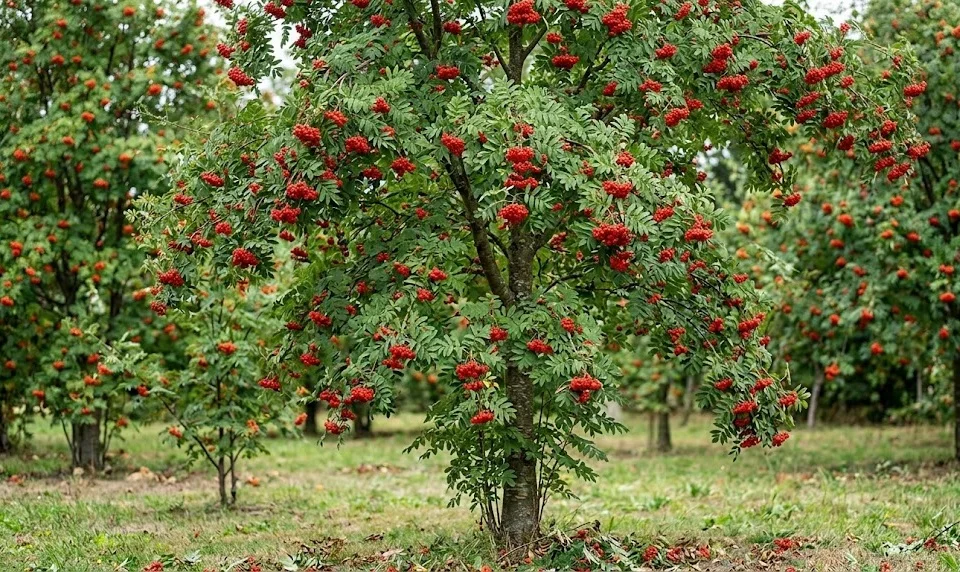

Successfully overwintering a mountain ash begins long before the first snowflake falls, focusing primarily on the health and hydration of the root system. As the tree enters dormancy, it stops the active transport of water to the leaves, but the roots remain biologically active as long as the ground is not completely frozen. It is vital to provide a deep, thorough watering in late autumn to ensure the soil has plenty of moisture before the winter freeze sets in. Dry soil freezes faster and more deeply than moist soil, which can lead to “root desiccation” and severe stress for the tree.
Maintaining a thick layer of organic mulch around the base of the tree is a professional-grade strategy for temperature regulation. A mulch layer of eight to ten centimeters acts as an insulator, keeping the soil temperature more stable and preventing the rapid freeze-thaw cycles that can heave the ground and damage delicate roots. You should ensure the mulch extends at least out to the dripline of the canopy to cover the most active part of the root zone. However, always remember to leave a small gap between the mulch and the bark of the trunk to prevent moisture buildup and rot.
Avoid applying any nitrogen-rich fertilizers in the late summer or early autumn, as this can stimulate a new flush of soft growth. This late-season growth does not have enough time to “harden off” or develop the thick cell walls needed to survive freezing temperatures. Instead, the tree should be allowed to naturally slow its processes and redirect its energy into storage and cellular protection. By following the natural rhythm of the seasons, you help the tree prepare itself for the challenges of the coming winter.
In regions with particularly harsh winters, you might consider using a specialized “anti-transpirant” spray on the twigs and buds of young trees. These products create a thin, waxy coating that reduces the amount of moisture lost to the dry winter winds. While not always necessary for established trees, this can be a lifesaver for specimens that were only planted in the previous year. Careful preparation during the autumn ensures that the foundation of the tree remains strong throughout the dormant period.
Young tree protection strategies
Young mountain ash trees are significantly more vulnerable to winter damage than their mature counterparts due to their thinner bark and less extensive root systems. One of the most common issues is “sunscald,” which occurs on cold, bright winter days when the sun warms the dark bark and activates the cells beneath. When the sun sets or is blocked by a cloud, the temperature drops rapidly, killing the active tissue and causing long vertical cracks in the trunk. To prevent this, you can use white plastic tree guards or wrap the trunk with specialized light-colored tree tape from the ground up to the first branches.
More articles on this topic
Mechanical protection is also essential for young trees to prevent damage from hungry wildlife during the winter months. When food becomes scarce, rabbits, voles, and deer may resort to gnawing on the bark or clipping the tender buds and twigs of your mountain ash. Installing a cylinder of fine wire mesh around the base of the trunk, buried slightly into the ground, is a highly effective way to keep these animals at bay. This physical barrier should be tall enough to account for the expected snow depth in your area so animals cannot reach over it.
Wind protection can be equally important for saplings that are planted in exposed, unsheltered locations. Constant, cold winter winds can dry out the branches and even cause the entire tree to lean if the root ball hasn’t fully set. A temporary windbreak made of burlap stretched between stakes can provide a much-needed sanctuary for a young tree during its first two or three winters. This structure should be placed on the windward side and far enough away that it doesn’t actually touch the tree itself.
Monitoring the young trees throughout the winter allows you to catch any issues early and make necessary adjustments to their protection. If you notice that a tree wrap has become loose or that an animal has managed to bypass a guard, you can fix the problem before significant damage occurs. These early investments in protection pay off in the form of a healthy, structurally sound tree that will grow quickly once spring arrives. A professional gardener knows that the extra effort spent in the autumn saves a lot of heartache in the spring.
Managing snow and ice damage
Heavy snowfall and ice accumulation are major concerns for the structural integrity of the mountain ash during the winter months. The flexible branches of this species can often bend significantly under the weight of snow, which is a natural defense mechanism to prevent breakage. However, very heavy, wet snow or a thick coating of ice can exceed the tree’s physical limits, leading to split limbs or even a snapped main trunk. After a major storm, it is important to assess the situation calmly and avoid taking any actions that might cause more harm than good.
More articles on this topic
If a branch is heavily weighed down by snow, you can gently brush the snow away using an upward motion with a broom or your hands. Never use a downward striking motion or shake the tree vigorously, as frozen wood is very brittle and can snap easily under sudden pressure. If the snow has already turned to ice, it is best to leave it alone and let it melt naturally when the temperature rises. Attempting to chip ice off the branches will almost certainly damage the bark and the dormant buds hidden beneath.
In cases where a branch does break, it is important to perform a clean pruning cut as soon as the weather allows for safe work. Leaving a jagged, torn wound on the tree provides an entry point for diseases and pests once the spring thaw begins. If a large limb has split but is still partially attached, it may be possible to save it through professional cabling or bracing techniques, but this should be evaluated by a certified arborist. Prompt attention to structural damage ensures that the tree’s energy is not wasted on doomed tissue in the spring.
Preventative pruning during the preceding autumn or late summer can also help minimize the risk of snow and ice damage. Removing weak, crossing, or excessively long branches reduces the surface area where snow can accumulate and creates a more aerodynamic canopy. A well-balanced tree with strong branch attachments is much more likely to survive a severe winter storm without significant loss. Understanding the mechanical limits of your tree is a key part of professional winter management.
Early spring recovery steps
As the winter begins to fade and the first signs of spring appear, your focus should shift toward helping the mountain ash transition back into active growth. The first step is to remove any protective wraps, guards, or burlap screens as soon as the threat of extreme cold has passed. Leaving these materials on for too long can trap heat and moisture against the bark, which may encourage fungal growth or trick the tree into breaking dormancy too early. This is also the perfect time to inspect the trunk for any signs of winter injury or animal gnawing that may have occurred.
Checking the soil moisture as the ground thaws is essential, especially if the winter was particularly dry or if the tree is located in a rain shadow. Supplemental watering may be necessary even before the leaves emerge if the spring starts with a period of warm, drying winds. You should also check the condition of the mulch layer and replenish it if it has become thin or dispersed over the winter months. Refreshing the mulch helps keep the roots cool and moist as the sun’s intensity begins to increase.
If you notice any “winter kill” on the tips of the branches—evidenced by shriveled, dark buds and brittle wood—you can prune these back to the first healthy, green bud. This small act of maintenance helps the tree focus its initial surge of energy into the most productive parts of the canopy. Avoid any heavy pruning or fertilization until you see the first leaves fully expanding and the tree has clearly resumed its metabolic activities. Patience is a virtue in the early spring, as some trees take a little longer than others to “wake up” from their winter slumber.
The final stage of winter recovery involves a thorough cleaning of the area around the base of the tree to remove any debris that may have accumulated. Raking up old leaves and twigs that may have been hidden under the snow helps to reduce the risk of fungal diseases. This also provides you with a clear view of the ground, allowing you to spot any early weed growth that should be removed before it competes with the tree for nutrients. Starting the season with a clean and well-tended site sets the stage for a year of vigorous and healthy growth.