
Proper light exposure is one of the most influential factors in determining the health, growth rate, and flowering success of these prehistoric trees. While they are often described as sun-loving plants, the reality of their needs is more nuanced and depends heavily on your specific climate and the variety you are growing. Finding the “sweet spot” of light in your garden will ensure that the tree produces its signature blooms in abundance while maintaining healthy, vibrant foliage. Understanding how light interacts with the physiology of the plant is essential for any professional gardener or dedicated enthusiast.
In general, most varieties perform best when they receive at least six to eight hours of direct sunlight every day. This high level of light provides the energy needed for photosynthesis and the development of the complex chemical compounds required for flowering. Trees grown in too much shade often become leggy, with sparse foliage and very few, if any, blossoms. If you notice your tree is leaning significantly toward a light source, it is likely a sign that it is struggling to find enough energy in its current location.
However, the intensity of the light is just as important as the duration of exposure, especially in hotter and more souid climates. In regions with very high summer temperatures, the afternoon sun can be incredibly intense and may lead to leaf scorch or heat stress. In these cases, a location that offers bright morning sun but provides some dappled shade during the hottest part of the afternoon is often ideal. This balance allows the tree to get the energy it needs without being overwhelmed by the physical stress of excessive heat.
The direction of the light also plays a role in how the tree develops its canopy and where the flowers will be most concentrated. A specimen planted on the south or west side of a building will receive the most intense light and heat throughout the day. Conversely, a tree on the north side may struggle with insufficient light, particularly in the winter and early spring when the sun is lower in the sky. When planning your landscape, consider how the shadows of buildings and other trees will move across the site throughout the changing seasons.
Light and the blooming process
The spectacular floral display that these trees are famous for is directly linked to the amount of light they receive during the previous growing season. Flower buds are actually formed in late summer and autumn, and the plant requires significant energy reserves to create them. If the tree is shaded by a dense canopy of larger trees or a nearby structure, it may not be able to produce enough energy for a full bloom. Ensuring your tree has a clear view of the sky during the peak of the growing season is the best way to guarantee a beautiful spring show.
More articles on this topic
Light also influences the timing of the blooms and how long the flowers will last once they have opened. Trees in a warmer, sunnier location will often bloom a week or two earlier than those in a cooler, more shaded spot. However, very intense direct sun can also cause the delicate petals to fade or wilt more quickly than they would in a more protected area. A location with bright but slightly filtered light can sometimes provide the best compromise, resulting in a longer-lasting and more vibrant floral display.
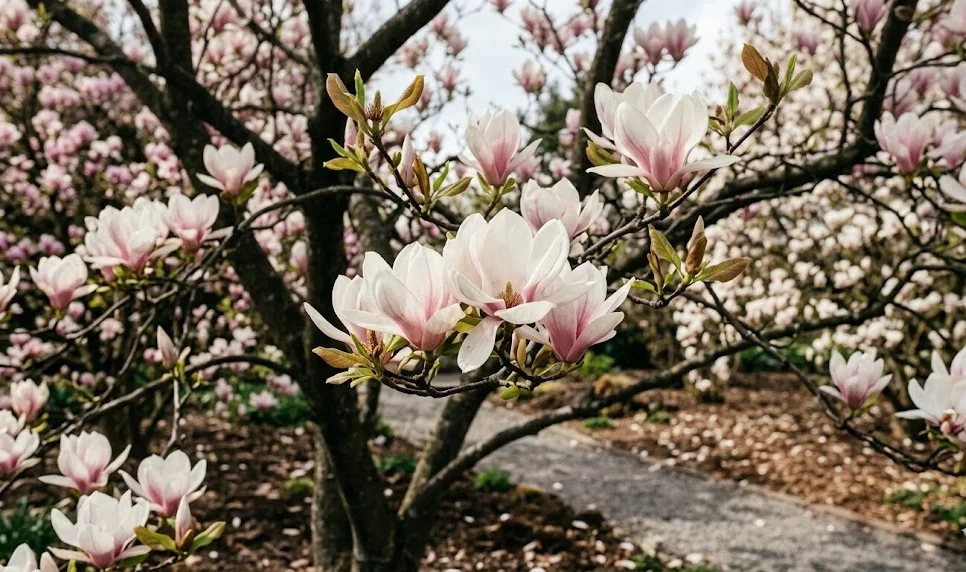
For varieties that bloom before the leaves emerge, the light requirements are slightly different during the early spring period. At this time, the bare branches need to absorb heat from the sun to trigger the opening of the buds and the movement of sap. A location that is protected from cold winds but open to the warming spring sun will often produce the most reliable and early results. Once the flowers fade and the leaves appear, the tree’s focus shifts to using sunlight for energy production and bud setting for the next year.
Evergreen varieties have constant light needs throughout the year, as they do not drop their leaves to enter a fully dormant state. These trees continue to photosynthesize even in the middle of winter, albeit at a much slower rate than in the summer. They need a location that remains bright during the winter months to prevent the foliage from thinning out or becoming dull. However, they also need protection from the combination of freezing temperatures and intense winter sun, which can lead to the damaging sunscald mentioned previously.
Managing light in the landscape
As your garden matures, the light conditions around your tree can change significantly as other plants grow and cast larger shadows. You may need to selectively prune nearby trees or shrubs to ensure that your specimen continues to receive the light it needs to thrive. This “crown thinning” of neighboring plants can open up the canopy and allow more sunlight to reach the lower branches of the tree. Regularly assessing the light levels in your garden is a necessary part of long-term maintenance for any high-quality landscape.
More articles on this topic
If you are planting a new tree in a location that is currently quite shaded, you might consider starting with a larger, more established specimen. Older trees often have a bit more resilience and can better handle the challenges of a less-than-ideal light environment. However, it is always better to match the variety to the light conditions rather than trying to force a sun-loving plant to grow in deep shade. There are some species and cultivars that are known for their shade tolerance, making them a better choice for understory planting.
In very bright and exposed areas, you can use temporary shade structures or plant smaller companion plants to provide a bit of relief for a young tree. As the tree grows and develops its own protective canopy, it will become better equipped to handle the intense light on its own. Strategic placement of structures like pergolas or lattice fences can also help create a microclimate with the perfect balance of light and shadow. The goal is to create a stable environment where the tree can grow without being constantly stressed by extreme light fluctuations.
Finally, remember that the “perfect” light for a tree in one region may be completely different from what is needed in another. A variety that thrives in full sun in a northern climate might require significant shade in a southern garden to survive the heat. Always consult with local experts or observe established trees in your immediate area to get the best sense of what works in your specific environment. By paying close attention to the light and how your tree responds to it, you can ensure a healthy and beautiful specimen for many years to come.