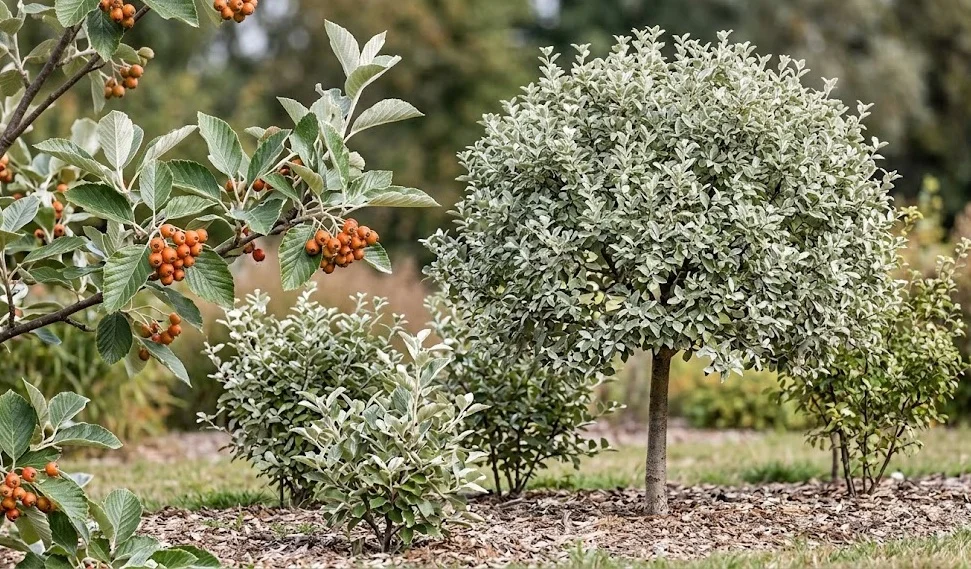

The transition into the dormant season involves complex physiological changes that allow the tree to survive freezing temperatures and harsh winter winds. As the days shorten and temperatures drop, the tree begins to move nutrients from the leaves into the woody tissues for storage. You will notice the distinctive autumn color before the leaves eventually fall, leaving the silvery buds exposed and ready for the next spring. Ensuring the tree is well-hydrated before the ground freezes is a critical step in preparing it for the winter months ahead.
Young trees require extra protection during their first few winters as their bark is thinner and their root systems are less established. You can apply a thick layer of mulch around the base to insulate the soil and prevent the damaging cycle of freezing and thawing. Using a tree guard or wrap can protect the sensitive trunk from sunscald and damage from hungry rodents searching for food in the snow. These simple measures significantly increase the survival rate of saplings during particularly severe or erratic winter seasons.
The weight of heavy snow or ice can pose a structural threat to the branches, especially if the canopy has not been properly thinned. You should avoid the temptation to shake heavy snow off the branches vigorously, as frozen wood is brittle and prone to snapping. Instead, allow the snow to melt naturally or gently brush off only the lightest accumulations to reduce the load. If a branch does break during a storm, wait for a period of dry weather to make a clean pruning cut to prevent the entry of decay-causing organisms.
Winter is an excellent time to evaluate the overall structure of the tree while the branches are bare and the skeleton is fully visible. You can identify any potential structural issues or crossing branches that might need attention once the risk of extreme cold has passed. It is also a period when you should monitor for any signs of deer or rabbit damage to the lower bark and low-hanging limbs. Planning your spring maintenance routine during these quiet months ensures that you are ready to support the tree as soon as the first signs of growth appear.