
Providing the correct balance of moisture and nutrients is fundamental to maintaining the health and beauty of your climbing vines over many years. A well-hydrated plant is more resilient against pests and diseases, while proper fertilization ensures that it has the energy to produce spectacular floral displays. Understanding the specific needs of these plants at different stages of their life cycle will help you avoid common mistakes like overwatering or nutrient imbalances. By following a professional approach to these essential tasks, you can enjoy a thriving garden focal point that grows more impressive with every passing season.
The water requirements of a young, newly planted vine are significantly different from those of an established specimen with a deep root system. During the first two years, the plant relies on a relatively small area of soil for all its moisture, making it very sensitive to drying out. You should check the soil every few days and provide a deep soak whenever the top inch feels dry to the touch. This consistency helps the roots expand into the surrounding soil, creating a more drought-tolerant plant in the future.
Once the vine has reached maturity, it becomes much more capable of finding water deep in the earth, but it still needs help during heatwaves. In the height of summer, a weekly deep watering is often necessary to prevent the leaves from wilting and to support the development of next year’s flower buds. It is much better to provide a large amount of water once a week than to give frequent, shallow drinks that only wet the surface. Deep watering encourages the roots to grow downward, making the plant more stable and self-sufficient.
Using a drip irrigation system or a soaker hose is the most efficient way to deliver moisture exactly where the plant needs it most. These methods minimize water loss through evaporation and keep the foliage dry, which helps prevent the spread of fungal diseases like powdery mildew. If you must water by hand, try to do it in the early morning so that any accidental moisture on the leaves can dry quickly in the sun. Avoid watering in the evening, as prolonged wetness overnight can create the perfect conditions for rot and pests.
The physical state of the soil also affects how you should manage your irrigation routine throughout the growing season. Heavy clay soils retain water for a long time and can easily become waterlogged, leading to root rot if you are not careful. In contrast, sandy soils drain very quickly and will require more frequent watering to keep the plant hydrated. Adding organic matter to your soil can help balance these extremes, improving drainage in clay and increasing water retention in sandy areas.
More articles on this topic
Nutrient management for optimal growth
Fertilizing these vigorous climbers requires a careful touch, as too much of the wrong nutrient can actually hinder flower production. While nitrogen is essential for building green leaves and strong stems, an excess of it will cause the plant to focus on foliage at the expense of blooms. If your vine is already growing several feet each year but failing to flower, you should avoid high-nitrogen fertilizers altogether. Instead, look for a balanced formula or one specifically designed to promote flowering and root health.
Applying a slow-release fertilizer in early spring as the buds begin to swell provides a steady supply of nutrients during the peak growing period. This ensures that the plant has everything it needs to support the massive energy requirements of its spring floral display. You can also apply a layer of well-rotted compost around the base of the plant each year to provide a natural source of micronutrients. This organic approach not only feeds the plant but also improves the overall health and biology of the soil.
Phosphorus and potassium are the key players in the development of strong roots and vibrant, long-lasting flowers. A fertilizer with a higher middle number, such as a 10-30-10 ratio, can be beneficial if you are trying to encourage a reluctant plant to bloom. It is best to apply these nutrients in late winter or very early spring so they are available in the soil when the plant wakes up. Always make sure to water the area thoroughly after fertilizing to help the nutrients move down into the root zone.
Monitoring the color and size of the leaves can provide valuable clues about the nutritional status of your vine and the quality of your soil. Small, pale leaves often indicate a lack of overall nutrients, while yellowing between the veins can be a sign of mineral deficiencies like iron or magnesium. If you suspect a problem, it is a good idea to perform a soil test before adding more chemicals to the garden. This scientific approach ensures that you are only adding what the plant actually needs, preventing nutrient runoff and waste.
More articles on this topic
Seasonal adjustments to care routines
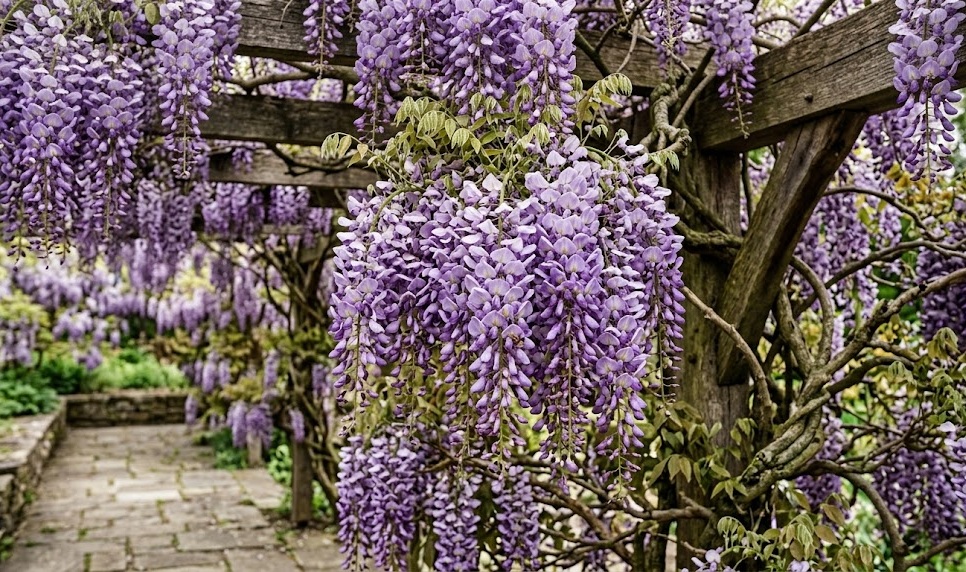
As the seasons change, so do the metabolic needs of the plant and the way it interacts with its environment. In the spring, the focus is on supporting the rapid expansion of leaves and the heavy weight of the hanging flowers. This is the time when the plant is most thirsty and requires the most nutrients to sustain its dramatic transformation. Regular monitoring during this high-energy phase is essential for preventing any setbacks that could ruin the spring display.
During the hot, dry months of summer, the priority shifts toward maintaining hydration and protecting the plant from heat stress. While you might be tempted to fertilize again to keep the growth going, this can actually stress the plant further during a drought. It is better to focus on consistent watering and ensuring that the mulch layer is thick enough to protect the roots from the baking sun. A well-hydrated plant will be much better prepared for the winter dormancy that follows.
In the autumn, you should gradually reduce the amount of water you provide as the plant begins to slow down its growth. This transition helps the wood to harden off and prepare for the freezing temperatures of winter. You should stop all fertilization by late summer to prevent the growth of tender new shoots that would be easily killed by the first frost. Allowing the plant to enter its dormant state naturally is a key part of long-term health and winter survival.
Winter care is mostly about protection rather than active feeding or watering, as the plant is essentially asleep. If you live in an area with very dry winters, a single deep watering during a mid-winter thaw can prevent the roots from desiccating. However, in most climates, the natural moisture from rain or snow is sufficient until the spring. This quiet period is a great time to plan your fertilization strategy for the coming year and to check the condition of your irrigation equipment.
Common mistakes and solutions
One of the most frequent errors made by gardeners is over-fertilizing a vine that is already growing vigorously. This often leads to an unmanageable mess of green vines that never produce a single flower, causing much frustration. If you find yourself in this situation, the best solution is to stop fertilizing for a year or two and focus on proper pruning. Redirecting the plant’s energy through structural management is often more effective than adding more chemicals to the soil.
Underwatering during the critical bud-formation period in late summer is another common issue that can lead to poor flowering the following year. Even if the plant looks healthy, a lack of moisture during this time can cause the developing buds to abort or remain stunted. Ensuring that your irrigation schedule remains consistent through August and September is vital for a great spring show. Setting up an automatic timer for your watering system can help eliminate the risk of human error during busy summer months.
Applying fertilizer too close to the main trunk can cause chemical burns on the bark and damage the sensitive transition zone between roots and stem. Always spread the granules or liquid fertilizer out to the “drip line,” which is the area directly under the outer edge of the foliage. This is where the most active feeder roots are located and where they can most efficiently absorb the nutrients you provide. Gentle incorporation into the top layer of soil followed by heavy watering ensures the best results.
Ignoring the signs of poor soil structure can lead to chronic watering problems that are difficult to fix with just a hose. If your soil is so compacted that water simply runs off the surface, the roots will never get the hydration they need to thrive. You can address this by carefully aerating the soil around the vine and incorporating organic matter over several seasons. Improving the soil’s ability to absorb and hold water is a long-term investment that pays off in a much healthier and more beautiful plant.
Sustainable and organic approaches
Using organic fertilizers like fish emulsion, seaweed extract, or compost tea provides a more holistic way to feed your climbing vines. These products contain a wide range of micronutrients and beneficial microbes that synthetic fertilizers often lack. They work more slowly but help build a healthy soil ecosystem that supports the plant’s natural defenses and long-term vitality. Many professional gardeners prefer this method because it creates a more resilient and self-sustaining garden environment.
Composting is an excellent way to recycle garden waste into a high-quality soil amendment for your wisteria and other landscape plants. Spread a two-inch layer of finished compost around the base of your vines every spring to provide a slow release of nutrients and improve soil texture. This practice also helps suppress weeds and retains moisture, reducing the need for both chemical herbicides and frequent irrigation. It is a simple, cost-effective, and environmentally friendly way to manage your garden’s health.
Mulching with natural materials like wood chips, bark, or straw is another essential component of a sustainable care routine. As these materials break down, they contribute to the organic matter in the soil and support a diverse community of beneficial soil organisms. This healthy underground life helps break down nutrients into forms that the plant can easily absorb through its roots. A well-mulched garden requires less work from you and provides a better home for your plants.
Being mindful of your water usage and nutrient applications helps protect the local environment and ensures the longevity of your garden. By choosing the right products and applying them at the correct times, you can achieve professional-level results while minimizing your ecological footprint. A thriving, beautifully flowered vine is the ultimate reward for a thoughtful and well-managed approach to watering and fertilization. Your garden will not only look spectacular but will also be a healthy part of the larger natural world.