
Cultivating a stunning and healthy climbing vine requires a deep understanding of its specific growth habits and environmental needs throughout the year. Successfully managing this vigorous plant involves more than just planting it in a sunny spot and hoping for the best results over time. Gardeners must be prepared for a long-term commitment that includes regular monitoring of its structural integrity and soil conditions. By providing the right foundation, you can ensure that the plant thrives for decades and produces a spectacular floral display every spring.
Selecting the right location is the first and perhaps most critical step in the long-term care of this ornamental climber. You need to identify a spot that receives plenty of sunlight while also offering protection from harsh, drying winds that can damage young shoots. The soil should be well-drained and rich in organic matter to support the rapid development of the root system and the heavy foliage. If the ground is too compacted or lacks nutrients, the plant will struggle to establish itself and may fail to bloom for many years.
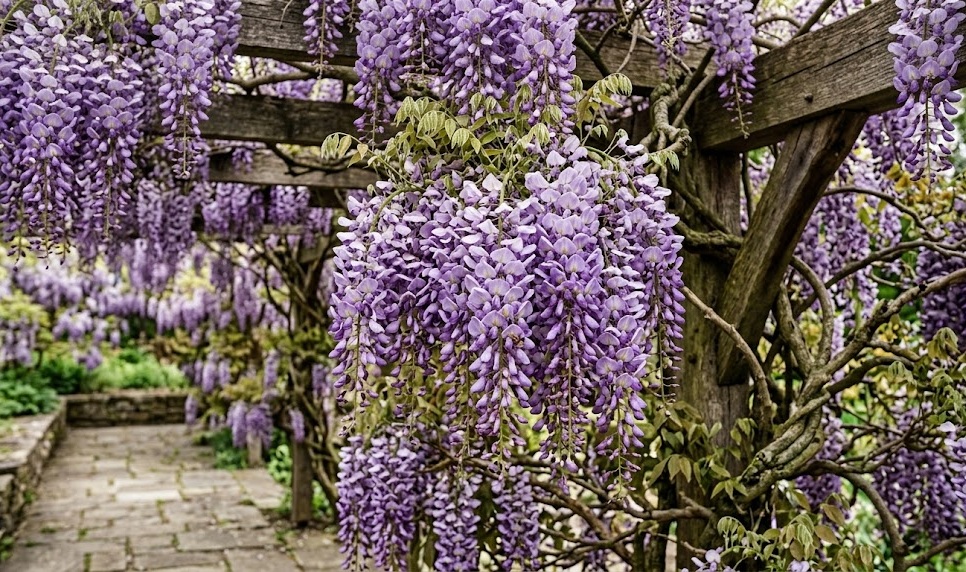
Structural support is a non-negotiable aspect of caring for such a heavy and fast-growing woody vine. Because the stems become extremely thick and heavy as they age, any trellis or pergola must be constructed from durable materials like treated wood or steel. A flimsy support will quickly buckle under the weight of the mature vine, potentially causing damage to nearby structures or the plant itself. It is much easier to install a robust support system at the time of planting than to try and reinforce an inadequate one later.
The aesthetic appeal of the plant is largely determined by how well you manage its naturally aggressive growth patterns during the growing season. Regular training of the young shoots helps to create a balanced framework that displays the hanging flower clusters to their best advantage. Without consistent guidance, the vines will quickly tangle and grow into inaccessible areas like gutters, roof tiles, or neighboring trees. Taking the time to tie back new growth every few weeks will save you hours of difficult maintenance in the future.
Managing the root environment
Maintaining healthy soil moisture levels is essential for the overall vitality of the plant, especially during the hot summer months when evaporation is high. A thick layer of organic mulch around the base of the vine helps to retain moisture and keep the root zone cool. This mulch also breaks down over time, contributing valuable organic matter back into the soil and improving its structure. You should avoid piling mulch directly against the main trunk to prevent rot and pest issues from developing.
More articles on this topic
Understanding the nutrient requirements of the vine will help you promote lush foliage and abundant flowering without encouraging excessive wood production. While nitrogen is important for green growth, an overabundance of it can lead to a lack of flowers and an unmanageable explosion of leaves. Using a fertilizer with a higher phosphorus content in early spring can stimulate the production of flower buds. Always water the soil thoroughly after applying any fertilizer to ensure that the nutrients reach the deep roots effectively.
Soil pH also plays a significant role in the health of the plant and its ability to absorb essential minerals from the ground. Wisteria generally prefers a slightly acidic to neutral soil environment where it can easily access iron and manganese. If the leaves start to turn yellow while the veins remain green, it may be a sign of iron chlorosis caused by alkaline soil. In such cases, applying a soil acidifier or chelated iron can help restore the plant’s natural green color and vigor.
Monitoring the drainage of the site is particularly important during periods of heavy rainfall or when the snow begins to melt in the spring. Waterlogged soil can lead to root rot, which is often fatal for established vines and very difficult to treat once it takes hold. If you notice that water sits on the surface for more than a few hours, you might need to improve the drainage by adding grit. Elevating the planting area slightly can also provide a simple and effective solution to excess moisture problems.
Enhancing floral production
One of the most common complaints among gardeners is a vine that refuses to bloom despite looking perfectly healthy and green. This issue often stems from the age of the plant, as those grown from seed can take up to twenty years to produce their first flowers. To avoid this long wait, it is always better to purchase a grafted plant or one grown from a known flowering cutting. These established plants are genetically predisposed to bloom much earlier, often within just a few years of being planted.
More articles on this topic
The timing of your maintenance tasks can significantly influence the number and quality of the flower racemes produced each year. Light exposure is the primary driver of bud initiation, so ensuring that the flowering spurs receive enough sun is vital. If the canopy becomes too dense, the interior branches will not receive the light they need to form flower buds for the following season. Thinning out some of the excess foliage in mid-summer can help redirect the plant’s energy toward flower production.
Pruning techniques specifically designed for flowering are different from those used for simple height control or shaping. You should focus on developing a permanent framework of branches with short flowering spurs that can support the heavy blooms. These spurs are created by cutting back the long, whippy side shoots to just a few buds in late winter. This concentrated growth ensures that the plant’s resources are focused on creating large, vibrant flower clusters instead of more leaves.
Stress can sometimes be a factor in why a vine fails to flower, although moderate stress can occasionally trigger a bloom response. A plant that is too comfortable in highly fertilized soil may continue to grow vegetatively without ever feeling the need to reproduce. In some cases, root pruning by cutting a circle around the base of the vine with a spade can shock it into flowering. This should be a last resort and performed with caution to avoid permanently damaging the root system.
Structural integrity and safety
As the vine matures, its woody trunk can exert immense pressure on any structure it is attached to or wrapped around. It is common for older vines to crush wooden lattice or even pull down downspouts if they are allowed to climb unchecked. You should regularly inspect the contact points between the vine and your home to ensure no damage is occurring. Pruning away any stems that are trying to grow under shingles or into vents is a necessary safety precaution.
Large, established vines require a significant amount of space to spread their roots and their canopy without interfering with other garden features. You should plan for a footprint that can accommodate a plant that may eventually reach thirty feet or more in height and width. If you have a smaller garden, you might consider growing the vine as a free-standing standard or tree form. This requires more intensive pruning but allows you to enjoy the beauty of the plant in a more contained space.
The weight of the foliage and flowers after a rainstorm can be surprisingly heavy, putting additional strain on your support system. A wet vine can weigh hundreds of pounds, making it essential that your pergolas and arches are anchored deeply into the ground. Checking for signs of wood rot or rust in your supports every spring can help you avoid a catastrophic collapse later in the year. If you find any weak spots, it is best to repair them immediately before the growing season reaches its peak.
Safety for the gardener is also a factor when maintaining such a large and high-climbing plant throughout the seasons. You will often need a sturdy ladder and long-reach pruning tools to manage the upper levels of the canopy safely. Always work with a partner when pruning high up to ensure that the ladder remains stable and to help move heavy cut branches. Wearing gloves and eye protection is highly recommended to protect against scratches from the woody stems and falling debris.
Long term health monitoring
A healthy vine can live for over a century, but this longevity depends on your ability to spot problems before they become severe. Regularly checking the leaves for discolorations, spots, or signs of insect damage will help you maintain a vigorous specimen. Early intervention with organic or biological controls can often solve pest issues before they spread to the entire plant. A well-maintained vine is much more resilient to environmental stresses and can recover more quickly from extreme weather.
Observing the growth rate of new shoots each year provides a good indication of the plant’s overall health and nutritional status. If the new growth is significantly shorter than in previous years, it may be a sign that the soil is becoming depleted of nutrients. Conversely, excessively long and thin shoots may indicate that the plant is receiving too much nitrogen or not enough light. Adjusting your care routine based on these visual cues will help you maintain a perfect balance of growth.
The bark of the main trunk should be inspected for cracks, oozing sap, or signs of boring insects that can weaken the wood. While some peeling bark is natural as the trunk expands, deep wounds can provide entry points for fungal diseases. If you notice any suspicious areas, you can consult with an arborist to determine if treatment is necessary to save the plant. Keeping the area around the base of the trunk clear of weeds and debris also helps prevent moisture-related bark issues.
Succession planning in the garden is important if you want to enjoy the beauty of these vines for many generations to come. You can take cuttings from your favorite specimens to start new plants in different areas of your landscape or to give to friends. This ensures that the specific characteristics of your plant, such as flower color or fragrance, are preserved. Sharing your knowledge of how to care for these magnificent climbers is part of the joy of being a successful gardener.
Environmental considerations
The impact of your gardening practices on the local ecosystem should always be a consideration when caring for such a vigorous plant. While beautiful, certain species can be invasive in some regions, spreading into nearby forests and choking out native vegetation. You should choose sterile cultivars or those known to be less aggressive if you live near sensitive natural areas. Being a responsible gardener means keeping your plants contained within your own property boundaries.
Water conservation is becoming increasingly important in modern landscaping, and even thirsty vines can be managed sustainably. Using a drip irrigation system delivers water directly to the root zone, reducing waste through evaporation and runoff. Grouping plants with similar water needs together can also help you manage your garden’s water usage more efficiently. Once established, these vines are surprisingly drought-tolerant, but they still benefit from deep watering during extended dry spells.
Providing a habitat for pollinators is one of the many benefits of growing a flowering vine in your backyard. Bees, butterflies, and even hummingbirds are drawn to the fragrant blossoms and can help increase the biodiversity of your garden. Avoiding the use of broad-spectrum insecticides during the blooming period protects these beneficial visitors and ensures a healthy ecosystem. The sound of buzzing bees around the flowers is a sure sign that your garden is a thriving and healthy environment.
The cooling effect of a large vine-covered pergola can significantly reduce the temperature of your outdoor living spaces during the summer. By providing natural shade, the plant helps to lower energy costs if it is positioned to shade the windows of your home. This functional benefit adds another layer of value to the time and effort you invest in caring for the plant. Watching the light filter through the leaves creates a peaceful and relaxing atmosphere that is unique to this type of garden.
Advanced care techniques
Training a vine into a specific shape, such as a formal espalier or a weeping tree, requires patience and a steady hand over several years. This advanced technique involves selecting a primary stem and carefully removing all other growth that does not fit the desired form. You must be diligent about removing suckers that emerge from the base of the plant, as these will quickly ruin the clean lines of your design. The result is a stunning living sculpture that serves as a focal point in any professional landscape.
Managing the transition between the seasons involves preparing the plant for the dormant period and ensuring a strong start in the spring. In late autumn, you should remove any dead or diseased wood to prevent pathogens from overwintering on the plant. Applying a final layer of compost before the ground freezes provides a slow release of nutrients that will be available as soon as the roots wake up. This proactive approach sets the stage for a spectacular display of flowers when the weather warms up again.
Soil testing every few years can provide a scientific basis for your fertilization strategy and help you avoid unnecessary applications. Knowing the exact levels of minerals in your soil allows you to tailor your amendments to the specific needs of your wisteria. This not only saves money but also prevents the runoff of excess nutrients into the groundwater, which can be harmful to the environment. A small investment in a soil test kit can lead to much healthier and more productive plants in the long run.
Learning to read the subtle signs of the plant’s needs is a skill that develops with experience and careful observation over time. You will begin to notice how the leaves change their orientation when they need water or how the color shifts slightly when the weather changes. This intuitive connection with your garden is one of the most rewarding aspects of high-level horticulture and landscape management. With consistent care and professional attention, your vine will continue to be a source of pride and beauty for many years.