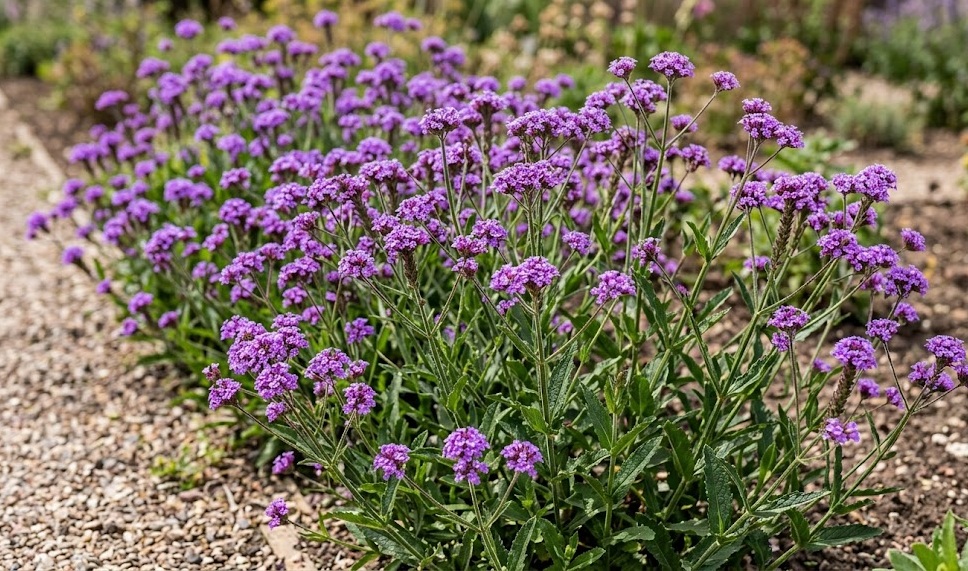

Strategic pruning and cutting back are essential professional techniques used to maintain the shape, health, and flowering capacity of purple verbena. This resilient plant responds well to regular intervention, which prevents it from becoming too woody or unkempt. By mastering the timing and methods of pruning, you can ensure a more compact form and a continuous succession of vibrant purple blooms. This article details the professional standards for pruning this versatile garden perennial.
The primary goal of pruning is to encourage new growth and maximize the production of the flower spikes that define the species. You should focus on removing spent blooms throughout the season to prevent the plant from putting its energy into seed production. This practice, known as deadheading, is one of the most effective professional habits for extending the floral display. A well-pruned plant remains productive and visually appealing for a much longer period.
Pruning also plays a critical role in maintaining the structural integrity and airflow within the plant’s canopy. You should remove any dead, damaged, or diseased stems as soon as you notice them during your regular garden inspections. This prevents potential issues from spreading and allows the plant to focus its resources on healthy tissues. Professional gardeners always prioritize the health of the plant’s architecture through targeted and clean cuts.
The tools you use for pruning should always be sharp, clean, and well-maintained to ensure the best results. You should use bypass pruners for most tasks, as they provide a clean, scissor-like cut that heals quickly. Tearing or crushing the stems with dull tools can lead to infections and unsightly browning of the plant tissues. Professionalism in the garden starts with the quality and care of the equipment you use every day.
Deadheading and seasonal maintenance
Deadheading is a continuous task that you should perform throughout the peak flowering months of summer. You will find that cutting back the spent flower spikes to the first set of leaves encourages the development of new buds. This simple intervention can double the length of the blooming season and keep the plant looking fresh. A professional gardener is always on the lookout for finished flowers to remove from the display.
More articles on this topic
In the middle of the season, a light all-over trim can help rejuvenate a plant that has started to look a bit tired. You should take off about a third of the growth to promote a new flush of foliage and flowers for the late summer. This “mid-season haircut” is a professional secret for maintaining a high-quality landscape throughout the entire year. It prevents the plant from becoming overly leggy and losing its compact and attractive form.
Autumn pruning should be kept to a minimum as the plant begins to prepare for its winter dormancy phase. You should avoid heavy cutting at this time, as new growth stimulated by pruning could be easily damaged by the first frosts. Simply removing any obviously dead or broken material is sufficient for the late-season maintenance routine. Professional care involves knowing when to step back and let the plant enter its natural rest period.
During the growing season, you can also use pruning to manage the spread of the plant and keep it within its designated boundaries. You should cut back any stems that are encroaching on neighboring plants or pathways to maintain a tidy appearance. This spatial management is an important part of professional garden design and maintenance. Keeping the borders clean and well-defined enhances the overall professional look of your outdoor space.
Structural and rejuvenation pruning
Structural pruning is best performed in the early spring as the first signs of new growth appear at the base of the plant. You should cut back the previous year’s stems to about four to six inches above the ground level. This allows the new, vigorous shoots to emerge without having to compete with the old, woody material. Professional results in the spring are built on the foundation of this annual structural renewal.
More articles on this topic
If a plant has become significantly woody and unproductive after several years, a more drastic rejuvenation pruning may be necessary. You can cut the entire plant back to just a few inches from the ground to stimulate a complete renewal of the foliage. While this might seem harsh, the plant is remarkably resilient and will usually respond with a surge of healthy new growth. Rejuvenation is a professional way to extend the life of a valued specimen in your garden.
Thinning out the center of a dense clump can improve light penetration and air movement, which reduces the risk of disease. You should selectively remove some of the older stems from the base to open up the interior of the plant. This practice is especially important in humid climates where powdery mildew can be a persistent problem for many perennials. Professional thinning leads to a healthier and more balanced plant over the long term.
Pinching back the tips of young stems in late spring encourages a more branched and bushy habit from the beginning. You will notice that each pinched stem produces two or three new branches, leading to a much fuller and more floriferous plant. This simple technique is used by professional growers to create high-quality, compact plants for the nursery trade. Starting the season with good pruning habits sets the stage for success all year long.
Sanitary practices and tool care
Maintaining a high level of sanitation during the pruning process is vital for preventing the transmission of plant pathogens. You should clean your shears with an alcohol-based solution between pruning different individuals in the garden. This professional precaution is one of the most effective ways to stop the spread of viral and fungal infections. A clean gardener is a successful gardener who protects the health of the entire landscape.
Proper disposal of the pruned material is also an important part of the professional maintenance routine for any garden. You should collect all the stems and leaves you remove and either compost them or dispose of them if they are diseased. Leaving debris on the ground can harbor pests and create an untidy appearance that detracts from your hard work. Professionalism involves finishing the job by leaving the area clean and well-presented.
Sharpening your tools regularly ensures that every cut is clean and causes the minimum amount of stress to the plant. You can use a simple sharpening stone or a specialized file to maintain the edge on your bypass pruners and shears. A professional knows that the quality of their work is directly limited by the condition of their tools. Investing time in tool maintenance pays off in healthier plants and a more enjoyable gardening experience.
Finally, observing how the plant responds to different pruning techniques will help you refine your approach over many seasons. You will find that some varieties respond more vigorously to heavy cutting than others in your specific garden environment. This ongoing learning process is part of what makes gardening such a rewarding and professional endeavor. Great pruning is a blend of scientific knowledge and the artistic touch of the person who cares for the garden.