
Growing hyssop requires a nuanced understanding of its Mediterranean origins and its unique botanical characteristics. The gardener must appreciate that this semi-woody perennial thrives when its specific environmental needs are met with precision and consistency. Success in cultivation begins with a deep respect for the plant’s natural habitat, which is typically rocky and well-drained. By mimicking these conditions, one can ensure a vibrant display of aromatic foliage and vivid blossoms throughout the growing season.
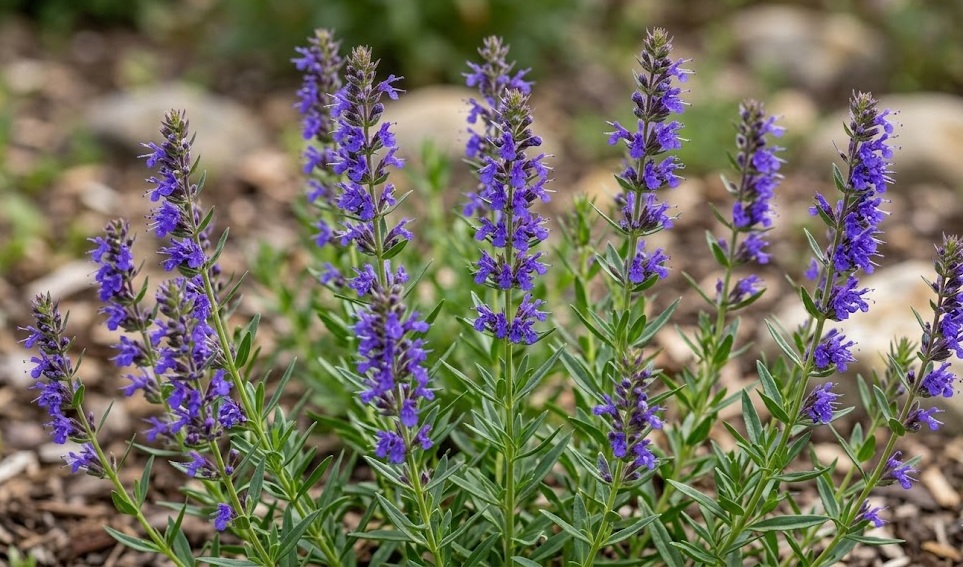
Maintaining the structural integrity of the plant involves regular observation of its growth patterns and foliage density. A healthy specimen will exhibit stiff, upright stems covered in small, lance-shaped leaves that emit a pleasant camphor-like scent. If the plant begins to look leggy or sparse, it often indicates an issue with light exposure or soil nutrition. Expert growers suggest that a proactive approach to maintenance prevents many common issues before they become detrimental to the plant’s health.
The seasonal transition from spring to summer marks a critical period for hyssop care as temperatures begin to rise significantly. During this time, the metabolic rate of the herb increases, requiring a steady but modest supply of nutrients and moisture. It is essential to monitor the base of the plant for any signs of woodiness that might impede new growth from emerging. Consistent care during these peak months ensures that the plant remains productive and visually appealing for several years.
Long-term vitality is achieved through a combination of environmental management and manual intervention when necessary. While hyssop is known for its hardiness, it does not respond well to neglect or extreme fluctuations in its surrounding ecosystem. Providing a stable environment allows the plant to focus its energy on essential oil production and flower development. This holistic approach to gardening results in a robust plant that serves both as a culinary asset and a beautiful landscape element.
Understanding soil dynamics
Soil composition serves as the foundation for any successful herb garden, and hyssop is particularly sensitive to the texture of its growing medium. This plant demands a soil that is loose and friable, allowing roots to penetrate deeply without encountering heavy clay barriers. A high sand or gravel content is often preferred to facilitate the rapid movement of water away from the root zone. Proper drainage is not merely a preference but a vital requirement for preventing the onset of root-related physiological stresses.
More articles on this topic
The pH level of the soil should be monitored regularly to ensure it remains within the slightly alkaline to neutral range. Most expert horticulturists recommend a pH between 6.7 and 7.5 for optimal nutrient bioavailability and microbial activity. If the soil is too acidic, the plant may struggle to uptake essential minerals like calcium and magnesium, which are crucial for stem strength. Adding small amounts of lime can help stabilize the environment if natural conditions are too acidic for the plant.
Organic matter should be incorporated into the soil with caution, as excessive richness can lead to rapid but weak vegetative growth. A light application of well-composted leaf mold or aged manure in early spring provides enough slow-release nutrients for the entire season. Avoid using high-nitrogen synthetic fertilizers that might compromise the concentration of aromatic compounds in the leaves. The goal is to create a lean environment that encourages the plant to produce high-quality secondary metabolites.
Microbial life within the soil plays a silent but significant role in the overall health of the garden hyssop. Beneficial fungi and bacteria help break down organic materials and improve the soil structure over time through natural processes. By avoiding harsh chemical fungicides, the gardener preserves this delicate balance and fosters a self-sustaining underground ecosystem. Healthy soil life translates directly into a more resilient plant that can withstand environmental pressures more effectively.
Seasonal maintenance routines
Spring is the season for rejuvenation and preparing the plant for the intensive growth cycle that lies ahead. As the soil warms, the first signs of green growth will emerge from the woody base of the perennial. This is the ideal time to clear away any debris or dead foliage that accumulated during the winter months. Ensuring clear airflow around the base of the plant helps prevent moisture-trapping pockets that could lead to early-season fungal infections.
More articles on this topic
Summer maintenance focuses on managing the peak flowering period and ensuring the plant does not succumb to heat stress. Deadheading spent blossoms can encourage a second flush of flowers and prevent the plant from putting too much energy into seed production. While the plant is drought-tolerant, extreme heatwaves may require supplemental hydration to maintain foliage turgidity and oil quality. Keeping the surrounding area free of weeds reduces competition for resources during these demanding months.
Autumn brings a shift in focus toward hardening the plant and preparing it for the dormant phase of its life cycle. It is important to reduce any supplemental feeding as the days grow shorter to discourage tender new growth that might be damaged by frost. Cleaning the garden beds and removing any fallen leaves ensures that pests do not find a place to overwinter near the herb. This period of transition is vital for the long-term sustainability of the garden and the health of the individual plants.
Winter care is largely hands-off, provided that the initial preparations were carried out correctly during the previous months. In regions with heavy snowfall, the snow can actually act as an insulator for the root system, protecting it from deep freezes. However, in wet and cold climates, the main concern is ensuring that the soil does not become waterlogged and frozen. A well-prepared garden bed will allow the hyssop to rest quietly until the warmth of spring triggers a new beginning.
Companion planting benefits
Integrating hyssop into a polyculture system offers numerous benefits for both the herb and its neighboring plants in the garden. This herb is particularly well-known for attracting pollinators like bees and butterflies, which can improve the yields of nearby vegetable crops. The presence of hyssop can act as a natural lure, drawing beneficial insects into the garden space throughout the summer. Strategic placement of this herb can therefore enhance the ecological diversity and productivity of the entire agricultural area.
Many gardeners find that hyssop grows exceptionally well alongside cabbage and other brassicas due to its ability to deter certain pests. It is believed that the strong aromatic compounds released by the foliage can mask the scent of the vegetable crops. This natural repellent quality reduces the need for chemical interventions and promotes a more organic approach to pest management. When used in this way, hyssop serves a dual purpose as both a harvestable herb and a functional garden protector.
Grapes are another traditional companion for hyssop, as the two plants share similar requirements for sun and well-drained soil. Some viticulturists suggest that planting hyssop near the base of grapevines can improve the overall health and vigor of the fruit. The deep root system of the herb does not compete aggressively with the vines for surface nutrients, making them compatible neighbors. This historical pairing is still practiced today by those looking to implement traditional herb-gardening techniques.
Avoid planting hyssop near radishes or other root crops that require highly moist conditions to remain tender and palatable. The dry-loving nature of hyssop can conflict with the irrigation needs of these vegetables, leading to sub-optimal results for one or both. Understanding these plant relationships allows the grower to design a garden that maximizes the strengths of each species. Careful planning ensures that every plant has the space and resources it needs to flourish without unnecessary competition.
Harvesting methods for essential oils
The timing of the harvest is the most critical factor in determining the quality and potency of the essential oils found in hyssop. Professional growers recommend harvesting the flowering tops just as the first blossoms begin to open on the spike. At this specific physiological stage, the concentration of volatile compounds like pinocamphone and thujone is at its peak. Delaying the harvest even by a few days can result in a significant decrease in the aromatic intensity of the collected material.
Morning is the optimal time of day for harvesting, specifically after the dew has evaporated but before the sun becomes too intense. High temperatures can cause the delicate oils to evaporate from the leaf surfaces, reducing the overall yield. Using sharp, clean shears is necessary to make clean cuts that do not crush the plant tissue or introduce pathogens. Hand-harvesting ensures that only the highest quality material is selected for processing and drying.
Once harvested, the plant material should be handled with extreme care to prevent bruising and the subsequent loss of oil. Bundling the stems and hanging them upside down in a dark, well-ventilated area is a traditional and effective drying method. Exposure to direct sunlight during the drying process should be avoided, as UV rays can degrade the chemical composition of the oils. Maintaining a consistent temperature and low humidity ensures that the herb dries evenly and retains its characteristic color and scent.
For those interested in distillation, using fresh plant material often yields a more complex and vibrant essential oil profile. The process requires specialized equipment to carefully steam the plant matter and capture the condensed vapors. This concentrated extract contains the very essence of the plant and is highly valued in aromatherapy and natural perfumery. Whether drying for tea or distilling for oil, the quality of the final product is a direct reflection of the care taken during harvesting.
Long-term rejuvenation strategies
As hyssop plants age, they naturally become more woody and may lose some of their initial vigor and aesthetic appeal. This transition typically occurs after three to four years of consistent growth in the same location. To maintain a productive garden, it is necessary to implement rejuvenation strategies that encourage the growth of young, supple stems. Regular monitoring of the plant’s architecture will reveal when it is time to intervene with more aggressive maintenance techniques.
One common method for refreshing an old plant is to perform a hard rejuvenation prune in early spring every few years. By cutting the woody stems back to just above the lowest active nodes, you stimulate the emergence of fresh growth from the base. This process can be stressful for the plant, so it should be supported with a light application of compost and adequate hydration. If successful, the plant will reward the effort with a flush of new foliage that looks much younger and healthier.
If a plant has reached the end of its natural lifespan or no longer responds to pruning, it may be time to replace it entirely. Taking softwood cuttings from a healthy mother plant is an excellent way to ensure the continuity of a particular cultivar. These young clones will have the same genetic characteristics and oil profile as the parent but with the energy of a new plant. Rotating the location of new plantings can also help prevent the buildup of soil-borne pathogens in the herb bed.
Maintaining a cycle of young and mature plants within the garden ensures a consistent harvest and a diverse aesthetic. Not all plants will age at the same rate, so a staggered approach to rejuvenation is often the most practical choice for large gardens. By paying attention to the unique needs of each specimen, the gardener can maintain a vibrant herb collection for decades. Constant renewal is the key to a landscape that remains productive and beautiful year after year.
Aesthetic and ecological impact
Beyond its practical uses, hyssop contributes significantly to the visual beauty and structural diversity of a Mediterranean-style garden. Its spikes of blue, purple, or occasionally pink flowers provide a striking vertical element that contrasts well with rounded shrubs. The fine-textured foliage creates a dense green backdrop that remains attractive even when the plant is not in bloom. When planted in drifts or as a low hedge, hyssop creates a sense of rhythm and cohesion in the garden design.
The ecological role of hyssop is perhaps its most important contribution to the broader environment of the agricultural space. It serves as a vital food source for many species of solitary bees and hoverflies that are essential for a healthy ecosystem. By providing nectar during the height of summer, hyssop supports the biodiversity of the local insect population. A garden that includes this herb is a more resilient and active habitat for a wide range of beneficial wildlife.
Integrating this herb into the landscape also promotes a more sustainable form of gardening that relies on hardy, drought-tolerant species. As water resources become more precious, choosing plants that require minimal supplemental irrigation is a responsible and forward-thinking choice. Hyssop’s ability to thrive in poor soils and harsh conditions makes it an ideal candidate for low-maintenance and eco-friendly designs. Its presence signals a commitment to working with nature rather than against it.
Ultimately, the care and cultivation of garden hyssop is a rewarding endeavor that connects the gardener to centuries of herbal tradition. Every task, from soil preparation to harvesting, is an opportunity to engage with the natural world in a meaningful way. The professional approach to its care ensures that this ancient herb continues to provide utility and beauty for modern generations. A well-tended hyssop plant is a testament to the skill and dedication of the individual who cares for it.