
Pruning is a vital horticultural practice that, when performed with professional precision, enhances the structure, health, and flowering potential of these iconic shrubs. The primary challenge for many gardeners lies in understanding the specific flowering habits of their plants, as different varieties require vastly different approaches to cutting back. Pruning at the wrong time or in the wrong way can inadvertently remove the next season’s flower buds, leading to a year of greenery without the expected floral display. A systematic approach to pruning ensures that the plant remains vigorous and aesthetically pleasing for many years.
The most important distinction to make before picking up the pruning shears is whether the variety blooms on “old wood” or “new wood.” Varieties that bloom on old wood set their flower buds in the late summer and autumn for the following year, meaning any heavy pruning in the winter or spring will remove those flowers. Those that bloom on new wood produce their buds on the fresh growth that emerges in the spring, allowing for more flexibility in the timing of pruning. Professional identification of the specific variety is the first and most critical step in developing a successful maintenance schedule.
Beyond the goal of maximizing flowers, pruning also serves to manage the overall size and shape of the shrub within the landscape. Removing dead, damaged, or diseased wood is a year-round task that helps maintain the plant’s health and prevents the spread of pathogens. Selective thinning of older stems also improves air circulation within the canopy, reducing the risk of fungal infections and promoting more robust growth from the base. A well-pruned shrub exhibits a balanced and natural form that reflects the care and expertise of the gardener.
Tools used for pruning should always be sharp and properly sterilized to ensure clean cuts that heal quickly and minimize stress to the plant. Ragged or crushed stems are much more susceptible to infection and take longer to recover, potentially impacting the following season’s growth. Professional-grade bypass pruners are the preferred tool for most tasks, as they provide a clean, scissor-like action that is gentle on the plant’s tissues. Maintaining high standards for tool care is an essential part of the professional gardener’s daily routine.
Identifying old wood vs new wood varieties
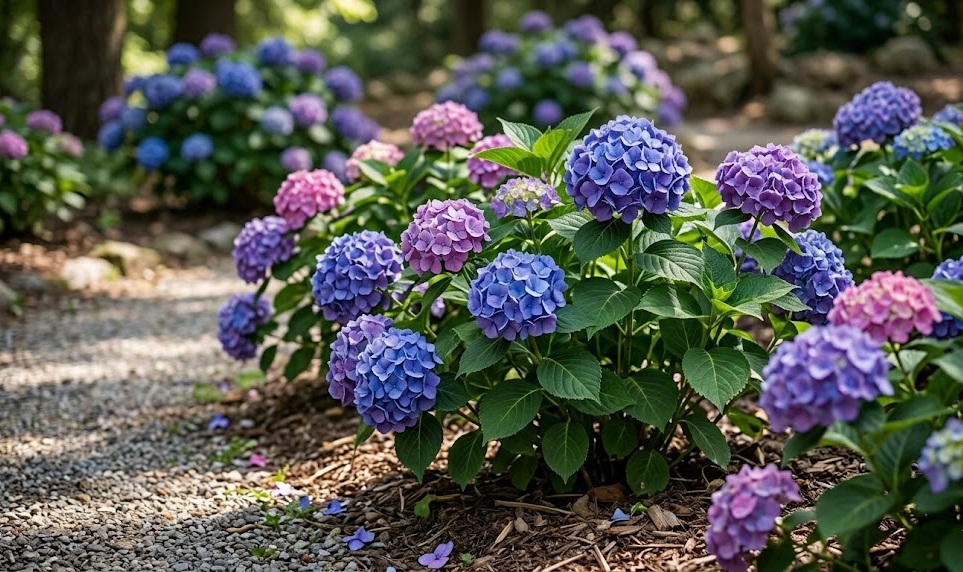
Most traditional varieties, including the majority of the popular mophead and lacecap types, fall into the category of plants that bloom on old wood. These shrubs require a very conservative approach to pruning, as the flower buds for the next summer are already formed on the stems by the end of the current season. The ideal time to prune these varieties is immediately after the flowers have faded in the mid to late summer. This timing allows the plant enough time to produce new growth and set its next cycle of buds before the onset of winter dormancy.
More articles on this topic
Varieties that bloom on new wood, such as the hardy panicle and smooth hydrangea types, are much more forgiving when it comes to the timing of pruning. These plants can be cut back significantly in the late winter or early spring without any risk of losing the summer’s flower display. In fact, many professional growers recommend cutting these varieties back to within a few inches of the ground each year to encourage the growth of larger and more impressive flower heads. This aggressive approach results in a more compact and manageable shrub that fits well into smaller garden spaces.
Some modern cultivars have been bred for “remontant” or reblooming characteristics, meaning they can produce flowers on both old and new wood throughout the season. These versatile plants offer the best of both worlds, providing an early summer display from overwintered buds and a second flush of flowers from the new growth. Pruning these varieties requires a nuanced approach, where deadheading the first flowers encourages the development of the second round. Understanding the unique biology of these high-performance plants allows the gardener to maximize their visual impact in the landscape.
To determine which type you have if the variety is unknown, the best strategy is to observe the plant’s flowering pattern over a full growing season. If the flowers appear on the tips of the previous year’s woody stems in early summer, it is an old wood bloomer. If the flowers only appear on the fresh green stems that grow from the ground in the spring and bloom later in the summer, it is a new wood bloomer. This careful observation is the key to mastering the art of pruning and ensuring a consistent and beautiful garden display every year.
Structural pruning and deadheading techniques
Deadheading, the process of removing spent flowers, is a simple but effective task that keeps the garden looking tidy and encourages continued health. For varieties that bloom on old wood, it is important to cut just above the first or second pair of healthy leaves below the flower head. This practice prevents the plant from wasting energy on seed production and directs those resources toward the development of the next year’s buds. Many gardeners choose to leave the dried flower heads on the plant throughout the winter for visual interest and to provide a small measure of protection for the buds below.
More articles on this topic
Structural pruning involves the more strategic removal of entire branches to improve the overall architecture of the shrub and its long-term health. A professional technique is the “one-third rule,” where approximately one-third of the oldest, most woody stems are removed at ground level each year. This process continuously rejuvenates the plant, ensuring that there is always a balance of young, productive wood and established structure. It also opens up the center of the plant to more light and air, which is essential for preventing the interior from becoming a dead, cluttered mess.
Removing “crossing” or “rubbing” branches is another important part of structural maintenance that prevents physical damage to the plant’s bark. When two stems rub against each other in the wind, they create open wounds that serve as entry points for pests and diseases. By identifying and removing the less desirable of the two branches, the gardener ensures a cleaner and more professional-looking specimen. This attention to detail in the plant’s framework pays off with a more resilient and longer-lived shrub.
The angle and placement of the pruning cuts also matter, as they dictate the direction and quality of the future growth. Cuts should be made at a slight angle about half a centimeter above a healthy, outward-facing bud or pair of buds. This encourages the new growth to expand away from the center of the plant, maintaining an open and airy structure. Avoiding “stubs”—long sections of stem left above a bud—is critical, as these will simply die back and can become a site for rot. Professional pruning is as much about the precision of the individual cut as it is about the overall strategy for the plant.