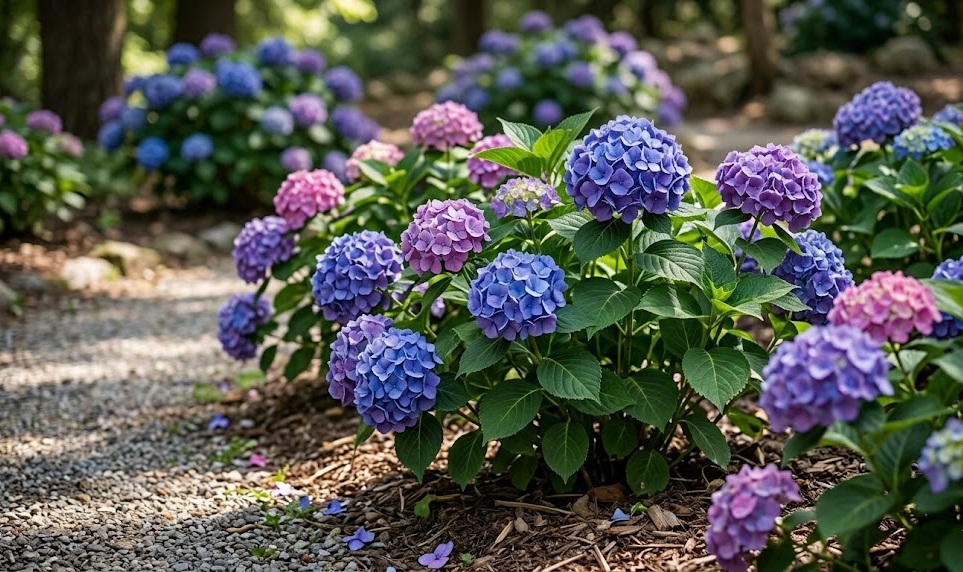

Preparing these shrubs for the challenges of the winter months is a critical task that determines the success of the following season’s floral display. Many popular varieties produce their flower buds on the previous year’s growth, making these dormant tissues particularly vulnerable to extreme cold and drying winter winds. Without proper protection, a harsh winter can kill these buds, resulting in a healthy-looking plant that fails to produce any flowers in the summer. A professional approach to overwintering involves a combination of structural protection, moisture management, and careful timing to ensure the plant emerges from dormancy with its full potential intact.
The process of overwintering begins well before the first frost, as the gardener must help the plant transition naturally into its dormant state. This involves gradually reducing irrigation and stopping all fertilization by late summer to prevent the stimulation of soft, vulnerable new growth. Allowing the plant to experience the first few light frosts helps harden off the tissues and signals the internal biological clock to move into deep dormancy. Once the leaves have fallen and the plant is fully dormant, the more intensive physical protection measures can be implemented.
Understanding the specific hardiness zone of the variety being grown is essential for determining the level of protection required in a particular location. While some modern cultivars are bred for enhanced cold tolerance, many classic favorites require significant help to survive in colder northern climates. Gardeners should research the specific needs of their plants and be prepared to adapt their techniques based on the predicted winter weather patterns. Flexibility and preparation are the keys to successfully navigating the unpredictable nature of the winter season.
Protection is not just about extreme cold, but also about managing the fluctuating temperatures and drying conditions that can occur during the winter months. Bright winter sun and strong winds can cause the dormant stems to lose moisture faster than the frozen roots can replace it, leading to desiccation and dieback. Providing a physical barrier that shelters the plant from these elements can make the difference between a thriving specimen and one that struggles to recover in the spring. A well-prepared garden is a testament to the gardener’s dedication to the long-term health of their collection.
Bud protection and insulation techniques
One of the most effective ways to protect the delicate flower buds from freezing temperatures is the use of a simple wire cage filled with insulating material. A circular cage made of chicken wire or hardware cloth is placed around the dormant shrub, extending slightly above the height of the tallest stems. This structure is then filled with dry leaves, straw, or pine needles, which provide a thick layer of insulation that traps the earth’s natural warmth. It is important to avoid using materials that compact easily or hold excessive moisture, as this can lead to rot during winter thaws.
More articles on this topic
Burlap wrapping is another professional technique that provides excellent protection against the drying effects of winter winds and the risk of sunscald. Several layers of burlap are wrapped loosely around the entire plant and secured with twine, creating a microclimate that is significantly more stable than the surrounding environment. This method allows for some air exchange while still providing a substantial barrier against the elements. Unlike plastic, burlap is a breathable material that prevents the buildup of heat on sunny winter days, which could otherwise prematurely break the plant’s dormancy.
For smaller or more tender specimens, mounding the base of the plant with extra soil or compost can provide additional protection for the crown and lower stems. This extra layer of earth acts as a thermal mass that prevents the ground from freezing as deeply or as quickly around the most vital parts of the plant. In the event of an exceptionally cold winter where the upper stems are lost, this protected crown will be able to produce vigorous new growth in the spring. This “insurance policy” is a standard practice for many professional growers in challenging climates.
Snow can also be a gardener’s best friend during the winter, acting as a natural and highly effective insulator for the lower parts of the plant. While heavy, wet snow can cause physical breakage of the stems, a light covering of powdery snow provides a stable temperature environment that is much warmer than the air above. Gardeners can carefully shovel extra snow around the base of their shrubs to enhance this natural protection throughout the coldest months. Understanding how to work with the natural environment is a key part of professional horticultural management.
Overwintering container-grown plants
Hydrangeas grown in containers are much more vulnerable to the cold than those in the ground, as their root systems are not protected by the insulating mass of the earth. In most cases, these pots should be moved to a sheltered, unheated area such as a garage, shed, or basement where temperatures remain consistently cool but above freezing. This environment allows the plant to stay in a state of deep dormancy while being protected from the most extreme weather conditions. The goal is to keep the plant “sleeping” without allowing the soil in the container to freeze solid for extended periods.
More articles on this topic
Before moving the containers into winter storage, it is important to ensure they are well-hydrated, as dormant plants still lose a small amount of moisture through their stems. Throughout the winter, the soil should be checked periodically and watered very lightly if it feels completely dry to the touch. It is critical not to over-water during this time, as the plant’s metabolic needs are minimal and excess moisture can lead to root rot in the cool, dark storage area. A fine balance must be maintained to keep the roots alive without stimulating any premature growth.
If moving the containers indoors is not an option, they can be grouped together in a protected outdoor spot and heavily mulched or wrapped in insulating materials. Placing the pots on a layer of thick foam or wood prevents the cold from seeping up through the bottom of the container from the frozen ground. Encasing the entire group of pots in a large block of mulch or straw creates a collective thermal mass that is much more resistant to temperature changes. This method requires more effort to set up but can be very effective for managing large collections of containerized plants.
As spring approaches, container plants must be reintroduced to the outdoors gradually to prevent shock from the sudden change in light and temperature. Starting with a few hours in a shaded, protected spot and slowly increasing the exposure helps the plant adapt to its new environment. This “hardening off” process is essential for ensuring that the tender new growth is not damaged by late frosts or intense early spring sun. Professional attention to these details ensures that the transition back to the growing season is as smooth and successful as possible.
Spring transition and frost management
The most dangerous time for these shrubs is often the early spring, when a few warm days can trick the plant into breaking dormancy and pushing out tender new buds. If a sudden hard frost follows this period of warmth, the new growth and the upcoming season’s flowers can be instantly destroyed. Professional gardeners remain vigilant during this transition period, keeping their protection materials ready to be reapplied at a moment’s notice. Monitoring local weather forecasts and understanding the specific frost risks of the garden’s microclimate are essential skills for this time of year.
Removing winter protection should be a gradual process that is timed with the steady warming of the soil and the stabilization of night temperatures. Taking away the insulating leaves or burlap too early can leave the plant vulnerable, while leaving it on too long can cause the buds to rot in the increasing spring humidity. A good rule of thumb is to start thinning out the protection as the first signs of green begin to appear, but keep some light covering available for particularly cold nights. This careful approach respects the plant’s natural rhythm and protects its fragile new tissues.
If a late spring frost is predicted after the plant has already started growing, covering it with a lightweight frost cloth or even an old bedsheet can provide just enough warmth to prevent damage. It is important that the cover does not physically touch the foliage, as the cold can be conducted through the fabric and still burn the leaves. Using stakes to create a small tent over the plant ensures that there is a layer of air between the cover and the sensitive new growth. This extra effort during the final weeks of spring is the ultimate safeguard for the summer’s floral display.
Once the danger of frost has passed, a light application of mulch and a thorough watering help the plant transition into its active growth phase. Removing any dead or damaged wood that did not survive the winter allows the plant to focus its energy on the healthy, productive stems. This is also the ideal time to perform a final inspection for any pests or diseases that may have overwintered in the garden debris. Starting the season with a clean, well-cared-for plant sets the stage for a spectacular year of growth and flowering.