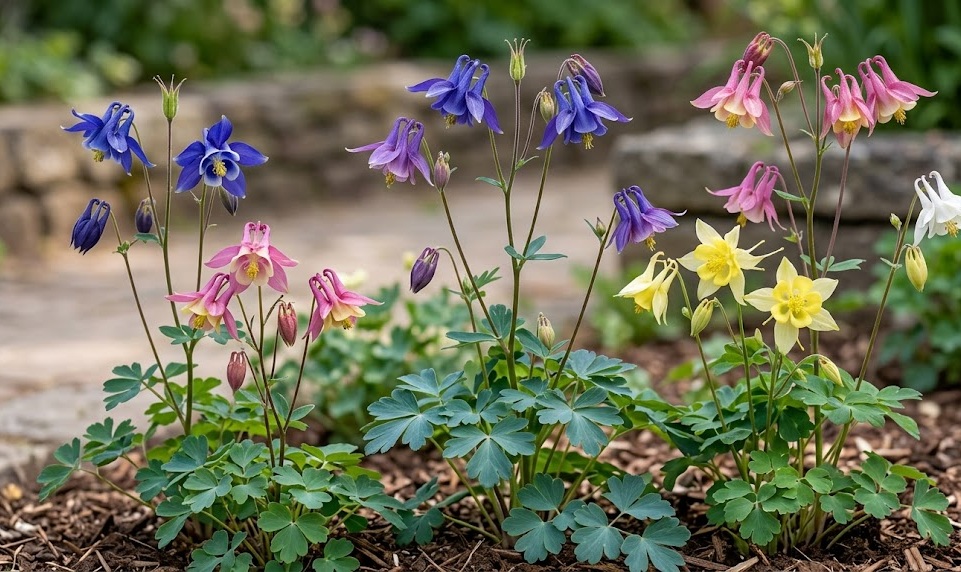

Preparing columbine for the cold months is a vital part of their annual care cycle, ensuring that these delicate perennials return with vigor in the spring. While many varieties are remarkably hardy, the transition from the growing season to dormancy requires thoughtful intervention from the gardener. Protecting the sensitive root system and crown from extreme temperature fluctuations and excessive moisture is the primary goal during this period. By following a professional overwintering protocol, you can safeguard your plants against the harshest winter conditions.
Autumn cleanup and preparation
As the first frosts of autumn begin to settle, you will notice the vibrant green foliage of your columbine starting to fade and turn yellow or brown. This is a natural signal that the plant is entering its dormant phase and shifting its energy reserves down into the root system. Once the foliage has completely died back, it is best to cut the stems down to within an inch or two of the soil level. This simple act of pruning prevents dead material from matting down over the crown and trapping unwanted moisture.
Removing the old foliage also serves as an important sanitation measure to reduce the risk of diseases and pests in the following year. Fungal spores and insect eggs often hide in the decaying plant matter, waiting for the warmth of spring to re-emerge. By clearing this debris away and disposing of it properly, you are creating a much healthier environment for the new growth to come. Be careful not to damage the emerging buds that may already be forming at the base of the plant.
After the area is cleared, it is a good time to inspect the soil around the base of each plant. If the soil has settled or washed away, exposing the top of the crown, you should gently add a small amount of fresh garden soil or compost to cover it. Ensuring the crown is not exposed to the direct bite of the wind or ice is key to preventing winter desiccation. A level and well-prepared surface makes the application of winter mulch much more effective.
Finally, ensure that the plants receive a final deep watering before the ground freezes for the winter. This is particularly important if the autumn has been unusually dry, as desiccated roots are much more susceptible to frost damage. Hydrated plant cells are better able to withstand the physical stress of freezing and thawing throughout the winter months. Once the ground is frozen, supplemental watering is no longer necessary or helpful until the spring thaw begins.
More articles on this topic
The role of mulching in winter protection
Mulching is the most effective tool for moderating soil temperatures and protecting columbine from the damaging effects of frost heave. Frost heave occurs when the soil repeatedly freezes and thaws, physically pushing the plant and its roots out of the ground. A thick layer of organic mulch acts as an insulator, keeping the soil at a more consistent temperature even as the air temperature fluctuates. This stability is crucial for the survival of the delicate feeder roots and the central taproot.
The best materials for winter mulching are those that are light, airy, and do not mat down easily. Shredded bark, pine needles, or clean straw are excellent choices because they provide insulation while still allowing for some air exchange. Avoid using heavy, wet leaves that can create an anaerobic environment and encourage crown rot during periods of winter rain. A layer of about two to three inches is generally sufficient for most temperate climates.
Timing the application of your winter mulch is just as important as the material you choose. You should wait until the ground has actually started to freeze before applying the thickest layer of protection. If you mulch too early, you might trap heat in the soil and delay the plant’s entry into dormancy, or worse, provide a cozy winter home for rodents. The goal is to keep the cold in once it has arrived, rather than trying to keep the soil warm.
In the late winter or early spring, as the temperatures begin to stabilize, you should start to monitor the mulch layer. As soon as you see the first hints of green growth emerging from the soil, it is time to gradually pull the mulch away from the center of the plant. Leaving thick mulch over the emerging shoots for too long can lead to rot or physical deformation of the new leaves. A gradual transition allows the plant to adjust to the increasing light and air temperatures at its own pace.
More articles on this topic
Special considerations for container plants
Columbines grown in pots and containers require a different approach to overwintering because their roots are much more exposed to the cold air. In a container, the soil temperature can drop much faster and reach lower extremes than the ground soil. Without the thermal mass of the earth to protect them, container plants are at a much higher risk of complete root death. Professional gardeners often use several different strategies to ensure their potted specimens survive the winter.
One of the most effective methods is to move the containers to a sheltered location, such as an unheated garage, shed, or a protected corner of a porch. This provides a buffer against the wind and the most extreme temperature drops while still keeping the plants cool enough to remain dormant. It is important that the storage area is not heated, as warmth would trigger premature growth that cannot be sustained in the winter light. Check the soil moisture occasionally, as pots can dry out even in a sheltered environment.
If moving the pots is not an option, you can try “heeling” them into the ground in a vacant part of the garden. This involves digging a hole and burying the entire pot up to its rim in the soil, which allows it to benefit from the earth’s natural insulation. You can then add a layer of mulch over the top of the pot and the surrounding area for extra protection. This technique essentially turns your container plant into a ground plant for the duration of the winter.
Another alternative is to wrap the pots in insulating materials like bubble wrap, burlap, or specialized frost blankets. These layers help slow down the rate of temperature change within the pot and protect the outer roots from freezing too quickly. You can also group several pots together to create a collective thermal mass, which is more resilient than an isolated container. Regardless of the method, the goal is to prevent the root ball from undergoing rapid and repeated freeze-thaw cycles.
Spring emergence and post winter care
The return of warmer weather and longer days triggers the end of dormancy and the beginning of a new growing season. This is an exciting time for the gardener, as the first tiny, folded leaves of the columbine begin to peek through the soil or mulch. Once the threat of severe, prolonged freezes has passed, you should fully remove any heavy winter protection from the crowns. Clearing away the remaining debris and old mulch provides a clean environment for the new growth to expand.
As the plants emerge, it is the perfect time to evaluate how well they survived the winter and if any losses occurred. If a plant has been pushed up by frost heave, gently press it back into the soil and add a bit of fresh earth around the roots. If a crown looks particularly small or weak, you might consider giving it a bit of extra attention with a liquid seaweed extract or a light fertilizer. This early support helps the plant recover its strength and prepare for the upcoming flowering season.
Spring is also the best time to check for any signs of winter-related diseases, such as gray mold or crown rot. If you notice any mushy or blackened tissue at the base of the plant, remove it immediately to prevent the infection from spreading. Ensuring good air circulation and avoiding overhead watering during the cool spring mornings will help keep the new foliage healthy. A proactive start in the spring sets the stage for a successful and beautiful year.
Finally, take a moment to reflect on your overwintering successes and challenges from the past season. Did certain locations or mulching materials work better than others? Keeping a record of these observations will help you refine your technique for next year and ensure even better results. With each passing winter, you will become more in tune with the needs of your columbine and the unique conditions of your garden. The cycle of dormancy and regrowth is one of the most rewarding aspects of perennial gardening.